
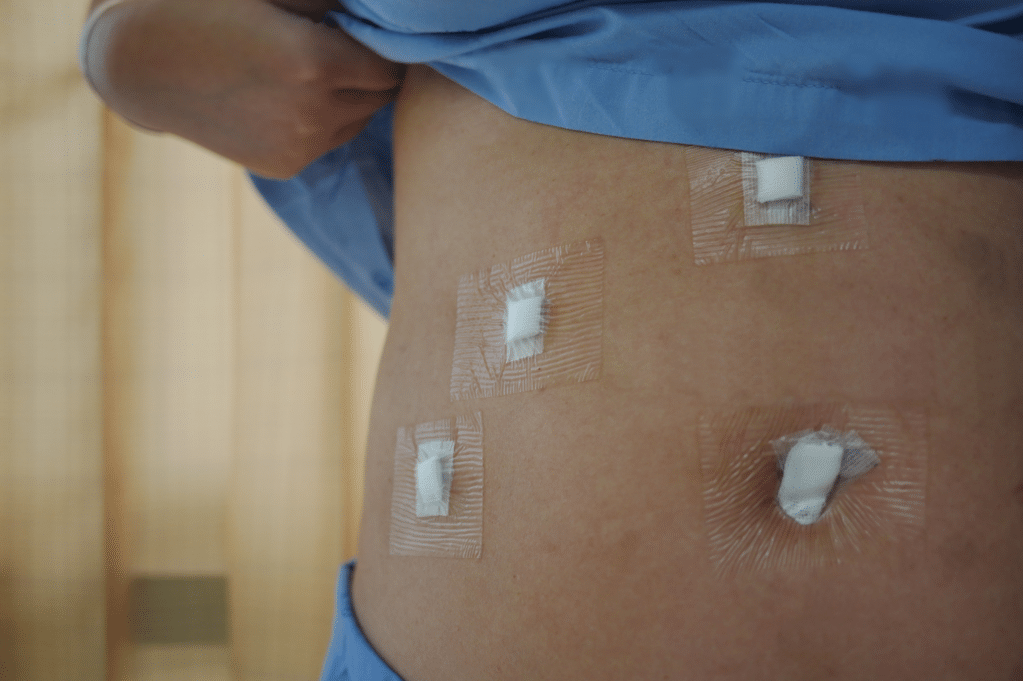
What Is Gallbladder Removal Surgery?
When Is Gallbladder Removal Surgery Needed?
Therefore, consult a specialist if you experience any of the following conditions:
▪ Pain caused by gallstones
▪ Frequent or recurring abdominal pain
▪ Gallbladder inflammation (cholecystitis)
▪ Gallbladder infection
▪ Blockage of the bile ducts
▪ Gallbladder polyps
▪ Pancreatitis related to gallstones
▪ Repeated digestive discomfort after meals.
Symptoms of Gallbladder Disease For Gallbladder Removal Surgery In Nagpur
▪ Intense pain in the upper-right side of the abdomen
▪ Stomach pain following fatty meals
▪ Nausea or repeated vomiting
▪ Ongoing abdominal bloating
▪ Frequent indigestion or stomach discomfort
▪ Fever with abdominal pain
▪ Pain extending to the back or right shoulder
▪ Yellowing of the skin or eyes (jaundice).
Causes of Gallbladder Problems - Gallbladder Removal
Several factors may increase the risk of gallbladder disease, including:
▪ Gallstones
▪ Excess body weight
▪ Diet high in saturated fats
▪ Diabetes
▪ Rapid weight loss
▪ Family history of gallbladder problems
▪ Increasing age
▪ Pregnancy and hormonal changes
▪ Certain liver conditions
▪ High cholesterol levels.
Types of Gallbladder Removal Surgery
The choice of gallbladder surgery depends on the patient’s condition and the surgeon’s assessment.
1.Laparoscopic Gallbladder Removal
▪ The surgeon removes the gallbladder through small incisions using a camera and specialised instruments.
▪ This approach often involves smaller wounds and a shorter recovery period than open surgery.
▪ Many patients can return home the same day or the following day, depending on their recovery.
2.Open Gallbladder Surgery
▪ This method involves a larger incision to access and remove the gallbladder.
▪ It may be recommended in complex cases or when inflammation makes laparoscopic surgery unsuitable.
▪ Hospital stay and recovery time depend on the procedure and the patient’s overall health.
Benefits of Laparoscopic Gallbladder Removal Surgery In Nagpur
Benefits of laparoscopic surgery may include:
▪ Smaller surgical incisions
▪ Less post-operative discomfort
▪ Reduced blood loss
▪ Lower risk of wound-related infections
▪ Shorter recovery time
▪ Reduced hospital stay
▪ Smaller visible scars
▪ Earlier return to daily activities
▪ Fewer wound-related complications in suitable patients.
Our Gallbladder Treatment Process For Surgery
1. Initial Consultation
We review your symptoms, medical history, and overall health to understand your condition.
2. Diagnostic Tests
Blood tests and ultrasound scans may be recommended to confirm the diagnosis and assess the gallbladder.
3. Treatment Planning
Your surgeon explains the available options, discusses potential risks, and answers your questions before treatment.
4. Surgical Procedure
Depending on your condition, gallbladder removal may be performed using laparoscopic or open surgery.
5. Recovery and Follow-up
After surgery, you receive guidance on wound care, daily activities, and follow-up visits to monitor healing.
Why Choose Us for Gallbladder Removal Surgery In Nagpur?
Our Advantages
▪ Skilled laparoscopic surgical care
▪ Modern surgical equipment
▪ Well-equipped operation theatres
▪ Individualised treatment planning
▪ Diagnostic evaluation and support
▪ Patient safety-focused practices
▪ Transparent treatment costs
▪ Compassionate patient guidance
▪ Recovery support tailored to each patient
▪ Follow-up care after surgery.
Preparation Before Gallbladder Surgery
Preparing for hernia surgery involves a few important steps to help ensure patient safety and proper planning.
▪ Medical assessment – Review your health history and current condition.
▪ Required tests – Complete blood tests and imaging if advised.
▪ Medication review – Discuss your medicines with the surgeon.
▪ Fasting instructions – Follow the instructions provided before anesthesia.
▪ Lifestyle guidance – Discuss diet, smoking, and activity restrictions.
▪ Surgical consultation – Understand the procedure, possible risks, recovery, and post-operative care before giving informed consent.
Recovery After Gallbladder Removal Surgery in Nagpur
Life After Gallbladder Removal Surgery in Nagpur
Most people recover well after gallbladder removal. Simple lifestyle changes can support digestion and healing.
▪ Eat small, frequent meals.
▪ Limit fatty and fried foods if they cause discomfort.
▪ Drink enough water daily.
▪ Choose a balanced diet with fruits, vegetables, and lean proteins.
▪ Resume light exercise as advised by your surgeon.
▪ Attend follow-up appointments.
▪ Take prescribed medicines as directed.
Frequently Asked Questions (FAQ)
Yes. Therefore, laparoscopic gallbladder surgery is considered a safe and effective procedure when performed by experienced surgeons.
Most laparoscopic procedures take approximately 45 minutes to 90 minutes. However, the duration depends on the complexity of the case.
Most patients gradually return to a normal diet. However, your surgeon may recommend avoiding fatty foods for a short period during recovery.
Many patients return to desk work within one to two weeks after laparoscopic surgery. However, physically demanding jobs may require additional recovery time.
Book an Appointment | Gallbladder Removal Surgery In Nagpur
Your digestive health is our priority. If you are experiencing persistent stomach pain, gallstones, hernia, acid reflux, liver or pancreatic disorders, or other gastrointestinal concerns, consult Dr. Yogesh Bang at LGI Hospitals In Nagpur for expert evaluation and advanced treatment.
Why choose us?
- Experienced Surgical Gastroenterologist
- Advanced laparoscopic and GI surgeries
- Personalized treatment plans
- Compassionate, patient-focused care
- Modern techniques for faster recovery
Schedule your consultation today and receive expert care from one of the trusted Gallbladder Removal Surgery In Nagpur for a healthier digestive system.