
Expert Minimally Invasive Surgery by Dr. Yogesh Bang at LGI Hospital
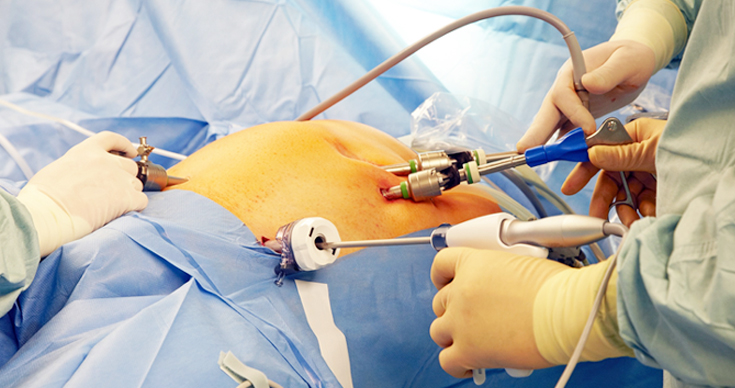
What is Diagnostic Laparoscopy?
What is Advanced Laparoscopic Surgery?
Advanced laparoscopic surgery involves performing complex surgical procedures through small incisions using specialized instruments and a high-definition camera. Compared to traditional open surgery, laparoscopic procedures cause less tissue damage and promote faster healing.
Furthermore, advanced laparoscopic surgery provides greater precision, reduced postoperative pain, and improved cosmetic results.
Conditions Treated with Diagnostic and Advanced Laparoscopic Surgery
Dr. Yogesh Bang provides minimally invasive treatment for various gastrointestinal and abdominal disorders, including:
- Gallstones
- Gallbladder infection (Cholecystitis)
- Appendix disorders
- Hernias
- Intestinal obstruction
- Colon diseases
- Small intestine disorders
- Liver cysts
- Liver abscess
- Selected liver tumors
- Splenic disorders
- Gastrointestinal tumors
- Colorectal diseases
- Piles (Hemorrhoids)
- Fistula in Ano
- Anal Fissure
- Adhesions
- Chronic abdominal pain
- Diagnostic evaluation of abdominal masses
- Unexplained abdominal swelling
Each patient receives a customized surgical plan based on the diagnosis and overall health.
When is Diagnostic Laparoscopy Recommended?
Diagnostic laparoscopy may be recommended for patients with:
- Persistent abdominal pain
- Unexplained abdominal swelling
- Suspected intestinal disorders
- Abdominal infections
- Liver abnormalities
- Pelvic masses
- Suspected abdominal tumors
- Internal bleeding
- Unclear imaging findings
- Chronic digestive symptoms
This procedure often provides a definitive diagnosis when other tests remain inconclusive.
Advanced Laparoscopic Procedures Performed
Dr. Yogesh Bang performs various minimally invasive procedures, including:
- Laparoscopic Appendectomy : Removal of an inflamed appendix using small incisions.
- Laparoscopic Cholecystectomy: Removal of the gallbladder for gallstones and gallbladder disease.
- Laparoscopic Hernia Repair: Treatment of inguinal, umbilical, and incisional hernias with mesh repair.
- Laparoscopic Intestinal Surgery: Minimally invasive surgery for selected small bowel disorders and intestinal obstruction.
- Laparoscopic Colon Surgery: Advanced surgery for colorectal diseases, including benign and malignant conditions.
- Laparoscopic Liver Surgery: Selected liver cysts, liver abscesses, and liver tumors can be managed using minimally invasive techniques.
- Laparoscopic Adhesiolysis: Removal of abdominal adhesions causing chronic pain or bowel obstruction.
- Diagnostic Laparoscopy with Biopsy: Evaluation and biopsy of abdominal lesions, liver disease, or unexplained abdominal masses.
Benefits of Advanced Laparoscopic Surgery
Compared with traditional open surgery, laparoscopic surgery offers numerous benefits.
These include:
- Smaller incisions
- Minimal postoperative pain
- Reduced blood loss
- Lower infection risk
- Faster recovery
- Shorter hospital stay
- Quicker return to work
- Better cosmetic appearance
- Less postoperative scarring
- Improved patient comfort
Consequently, many patients return to their normal routine much sooner.
Diagnosis Before Surgery
Before surgery, Dr. Yogesh Bang performs a detailed evaluation that may include:
- Medical history
- Physical examination
- Blood investigations
- Ultrasound Abdomen
- CT Scan
- MRI Scan
- Upper GI Endoscopy
- Colonoscopy
- Liver Function Tests
- Cardiac fitness evaluation
- Anesthesia assessment
This comprehensive evaluation ensures safe and effective surgical planning.
Recovery After Laparoscopic Surgery
Recovery is generally faster than with conventional surgery.
Patients are advised to:
- Walk soon after surgery.
- Follow dietary recommendations.
- Take prescribed medications.
- Avoid heavy lifting for a few weeks.
- Keep surgical wounds clean.
- Drink adequate water.
- Attend follow-up appointments.
- Resume activities gradually as advised.
Most patients experience less discomfort and recover more quickly.
Tips for Faster Recovery After Laparoscopic Surgery
You can recover more comfortably by following these recommendations.
- Walk regularly after surgery.
- Eat nutritious, easily digestible meals.
- Drink enough fluids.
- Avoid smoking and alcohol.
- Follow medication instructions carefully.
- Keep the incision sites clean and dry.
- Avoid strenuous activities until advised.
- Attend all follow-up visits.
These measures promote faster healing and reduce the risk of complications.