
Advanced Colorectal Surgery by Dr. Yogesh Bang at LGI Hospital
What is Colorectal Surgery?
Colorectal surgery is a specialized branch of gastrointestinal surgery that focuses on treating diseases of the:
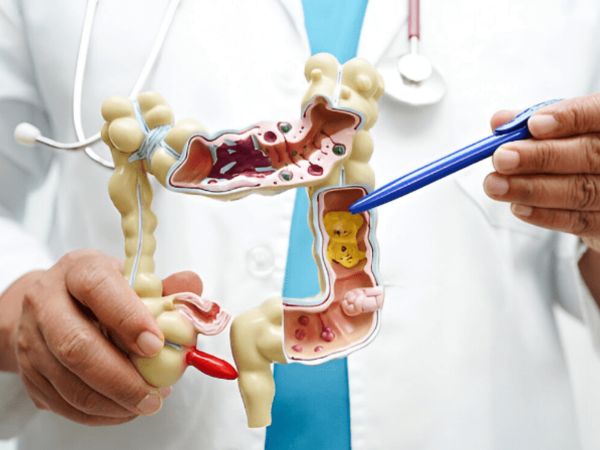
- Colon (Large Intestine)
- Rectum
- Anal Canal
Depending on the condition, treatment may involve medications, colonoscopy, minimally invasive laparoscopic surgery, or complex colorectal procedures.
Moreover, early surgical treatment helps prevent serious complications and improves long-term digestive health.
Conditions Treated with Colorectal Surgery
Dr. Yogesh Bang provides expert treatment for a wide range of colorectal conditions, including:
- Colorectal Cancer
- Colon Cancer
- Rectal Cancer
- Colon Polyps
- Diverticular Disease
- Ulcerative Colitis
- Crohn’s Disease
- Intestinal Obstruction
- Colorectal Bleeding
- Large Intestinal Tumors
- Rectal Prolapse
- Anal Fistula
- Anal Fissure
- Piles (Hemorrhoids)
- Perianal Abscess
- Fecal Incontinence
- Chronic Constipation
- Benign Colon Tumors
Every patient receives a personalized treatment plan based on the severity and type of disease.
Symptoms That May Require Colorectal Surgery
You should consult a colorectal specialist if you experience:
- Blood in stools
- Persistent constipation
- Chronic diarrhea
- Abdominal pain
- Unexplained weight loss
- Change in bowel habits
- Pain during bowel movements
- Rectal bleeding
- Persistent bloating
- Narrow stools
- Mucus in stools
- Feeling of incomplete bowel emptying
- Persistent anal pain
- Rectal swelling
Prompt medical evaluation improves treatment success and helps detect colorectal cancer at an early stage.
Causes of Colorectal Disorders
Several factors increase the risk of colorectal diseases.
Common causes include:
- Aging
- Family history of colorectal cancer
- Colon polyps
- Low-fiber diet
- Obesity
- Smoking
- Alcohol consumption
- Inflammatory bowel disease
- Sedentary lifestyle
- Diabetes
- Genetic conditions
Healthy lifestyle habits and routine screening reduce the risk of many colorectal diseases.
Diagnosis of Colorectal Diseases
Dr. Yogesh Bang performs a comprehensive evaluation before recommending surgery.
Diagnostic investigations may include:
- Medical history
- Physical examination
- Digital rectal examination
- Colonoscopy
- Flexible Sigmoidoscopy
- Biopsy
- Blood tests
- Stool examination
- CT Scan
- MRI Pelvis
- PET-CT (for selected cancer patients)
- Tumor marker tests
These investigations help determine the exact diagnosis and stage of disease.
Colorectal Surgical Procedures
Depending on the diagnosis, Dr. Yogesh Bang performs various advanced procedures.
Laparoscopic Colon Surgery
Minimally invasive surgery for colon cancer, polyps, diverticular disease, and other colon disorders.
Rectal Cancer Surgery
Advanced surgical treatment for rectal cancer while preserving bowel function whenever possible.
Colectomy
Removal of part or all of the colon for cancer, inflammatory bowel disease, or severe intestinal disorders.
Hemorrhoid Surgery
Advanced treatment for large or symptomatic hemorrhoids that do not improve with conservative therapy.
Fistula Surgery
Definitive treatment for anal fistulas using modern surgical techniques.
Fissure Surgery
Surgical management of chronic anal fissures causing severe pain and bleeding.
Rectal Prolapse Surgery
Repair of rectal prolapse using minimally invasive or open surgical techniques.
Benefits of Laparoscopic Colorectal Surgery
Whenever appropriate, minimally invasive colorectal surgery offers several advantages.
These include:
- Smaller incisions
- Less postoperative pain
- Reduced blood loss
- Lower infection risk
- Faster bowel recovery
- Shorter hospital stay
- Quicker return to work
- Better cosmetic appearance
Consequently, patients recover faster and experience greater comfort after surgery.
Recovery After Colorectal Surgery
Recovery depends on the type of surgery performed.
Patients are generally advised to:
- Walk regularly after surgery.
- Eat a fiber-rich diet as advised.
- Drink adequate water.
- Take prescribed medications.
- Avoid heavy lifting for several weeks.
- Maintain proper wound care.
- Attend follow-up appointments.
- Resume normal activities gradually.
Following these recommendations supports faster healing and improves bowel function.
Possible Complications if Left Untreated
Ignoring colorectal diseases may result in:
- Severe intestinal obstruction
- Chronic bleeding
- Anemia
- Perforation of the intestine
- Infection
- Abscess formation
- Spread of colorectal cancer
- Permanent bowel damage
Early diagnosis and timely surgery significantly reduce these risks.
Tips to Maintain Colorectal Health
Healthy lifestyle habits support long-term bowel health.
- Eat a high-fiber diet.
- Drink plenty of water.
- Exercise regularly.
- Maintain a healthy body weight.
- Avoid smoking.
- Limit alcohol intake.
- Schedule routine colon cancer screening after the recommended age or earlier if you have a family history.
- Seek medical attention for persistent digestive symptoms.
- Avoid delaying treatment for rectal bleeding or changes in bowel habits.