
Advanced Pancreatic Surgery by Dr. Yogesh Bang at LGI Hospital
What is Pancreatic Surgery?
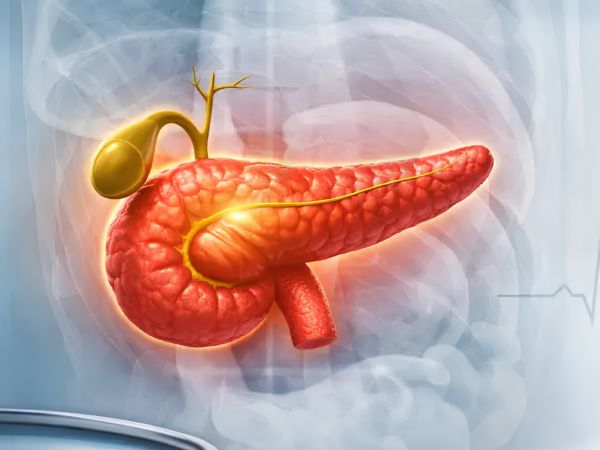
Conditions Treated with Pancreatic Surgery
Dr. Yogesh Bang provides expert surgical care for various pancreatic disorders, including:
- Pancreatic Cancer
- Pancreatic Tumors
- Chronic Pancreatitis
- Acute Pancreatitis with complications
- Pancreatic Cysts
- Intraductal Papillary Mucinous Neoplasm (IPMN)
- Mucinous Cystic Neoplasm (MCN)
- Serous Cystadenoma
- Pancreatic Neuroendocrine Tumors
- Pancreatic Pseudocysts
- Pancreatic Trauma
- Bile Duct Obstruction caused by pancreatic disease
- Benign Pancreatic Lesions
Each patient receives personalized treatment based on the stage, location, and severity of the disease.
Symptoms That May Require Pancreatic Surgery
Consult a pancreatic specialist if you experience:
- Persistent upper abdominal pain
- Pain radiating to the back
- Unexplained weight loss
- Loss of appetite
- Jaundice
- Persistent nausea
- Vomiting
- Indigestion
- Fatty stools (Steatorrhea)
- New-onset diabetes
- Abdominal swelling
- Recurrent pancreatitis
- Persistent digestive problems
Early evaluation improves the chances of successful treatment, especially in pancreatic cancer.
Causes of Pancreatic Disorders
Several conditions increase the risk of pancreatic diseases.
Common causes include:
- Chronic pancreatitis
- Smoking
- Heavy alcohol consumption
- Gallstones
- Family history of pancreatic cancer
- Diabetes
- Obesity
- Genetic syndromes
- Pancreatic duct abnormalities
- Long-standing inflammation
Managing these risk factors supports pancreatic health and reduces disease progression.
Diagnosis of Pancreatic Diseases
Dr. Yogesh Bang performs a detailed evaluation before recommending surgery.
Diagnostic investigations may include:
- Medical history
- Physical examination
- Blood investigations
- Liver Function Tests (LFTs)
- Pancreatic enzyme tests
- Tumor marker tests (CA 19-9)
- Ultrasound Abdomen
- Contrast CT Scan
- MRI Abdomen
- MRCP (Magnetic Resonance Cholangiopancreatography)
- Endoscopic Ultrasound (EUS)
- Endoscopic Retrograde Cholangiopancreatography (ERCP)
- Fine Needle Aspiration (FNA) Biopsy, when indicated
These investigations help determine the exact diagnosis and guide the most appropriate treatment.
Pancreatic Surgical Procedures
Depending on the diagnosis, Dr. Yogesh Bang performs several advanced pancreatic procedures.
Whipple Procedure (Pancreaticoduodenectomy)
This complex surgery treats cancers and selected tumors located in the head of the pancreas.
Distal Pancreatectomy
Removal of the body and tail of the pancreas for tumors, cysts, or chronic pancreatitis.
Total Pancreatectomy
Complete removal of the pancreas in selected complex cases.
Pancreatic Cyst Surgery
Surgical removal of symptomatic or high-risk pancreatic cysts.
Pancreatic Pseudocyst Drainage
Minimally invasive or surgical drainage for large or infected pseudocysts.
Surgery for Chronic Pancreatitis
Surgical procedures to relieve pain, improve drainage, and preserve pancreatic function.
Laparoscopic Pancreatic Surgery
Selected pancreatic conditions can be managed using minimally invasive laparoscopic techniques, resulting in faster recovery and reduced postoperative discomfort.
Benefits of Advanced Pancreatic Surgery
Modern pancreatic surgery offers several important benefits.
These include:
- Relief from chronic abdominal pain
- Removal of pancreatic tumors
- Improved digestive function
- Prevention of disease progression
- Better cancer outcomes
- Faster recovery with minimally invasive procedures
- Improved quality of life
- Long-term disease control
Consequently, timely surgery can significantly improve patient outcomes.
Recovery After Pancreatic Surgery
Recovery depends on the type of surgery performed and the patient’s overall health.
Patients are generally advised to:
- Follow a prescribed diet plan.
- Eat small, frequent meals.
- Take pancreatic enzyme supplements if recommended.
- Control blood sugar levels.
- Stay hydrated.
- Walk regularly after surgery.
- Avoid heavy lifting.
- Attend regular follow-up appointments.
Nutritional counseling and long-term monitoring are important parts of recovery.
Possible Complications if Left Untreated
Untreated pancreatic diseases may result in:
- Severe pancreatitis
- Pancreatic abscess
- Pancreatic necrosis
- Bile duct obstruction
- Uncontrolled diabetes
- Malnutrition
- Spread of pancreatic cancer
- Liver involvement
- Life-threatening infections
Early diagnosis and treatment greatly reduce these complications.
Tips to Maintain Pancreatic Health
Healthy lifestyle choices help reduce the risk of pancreatic disease.
- Avoid smoking.
- Limit alcohol consumption.
- Maintain a healthy body weight.
- Eat a balanced diet rich in fruits and vegetables.
- Exercise regularly.
- Control diabetes effectively.
- Treat gallstones promptly.
- Schedule routine health check-ups if you have a family history of pancreatic disease.