
Advanced Hepato-Biliary Surgery by Dr. Yogesh Bang at LGI Hospital
What is Hepato-Biliary Surgery?
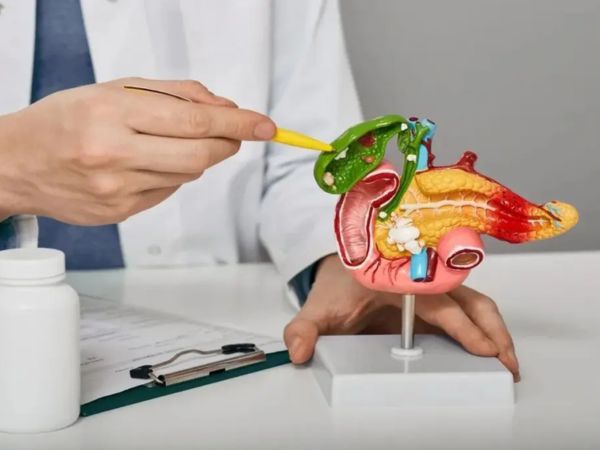
- Liver
- Gallbladder
- Bile ducts
- Biliary tract
- Pancreas (in many hepatopancreatobiliary procedures)
Conditions Treated with Hepato-Biliary Surgery
Dr. Yogesh Bang specializes in the diagnosis and treatment of various hepatobiliary conditions, including:
- Gallstones
- Acute and Chronic Cholecystitis
- Common Bile Duct (CBD) Stones
- Obstructive Jaundice
- Liver Cysts
- Liver Abscess
- Benign Liver Tumors
- Liver Cancer
- Cholangiocarcinoma (Bile Duct Cancer)
- Gallbladder Cancer
- Hepatic Hemangioma
- Liver Trauma
- Bile Duct Injuries
- Pancreatic Tumors
- Pancreatic Cysts
- Chronic Pancreatitis
Each patient receives an individualized treatment plan based on the underlying condition.
Symptoms That May Require Hepato-Biliary Surgery
Patients should seek specialist consultation if they experience:
- Persistent upper abdominal pain
- Pain after eating fatty foods
- Jaundice
- Fever with abdominal pain
- Nausea and vomiting
- Unexplained weight loss
- Abdominal swelling
- Dark urine
- Pale stools
- Persistent indigestion
- Loss of appetite
- Recurrent gallstone attacks
- Persistent liver swelling
- Itchy skin associated with jaundice
Early medical evaluation helps prevent severe complications.
Causes of Hepato-Biliary Disorders
Several conditions may affect the liver and biliary system.
Common causes include:
- Gallstones
- Viral hepatitis
- Fatty liver disease
- Liver cirrhosis
- Bile duct obstruction
- Liver infections
- Congenital bile duct abnormalities
- Pancreatic disorders
- Alcohol-related liver disease
- Liver tumors
- Biliary tract cancers
Accurate diagnosis is essential before planning treatment.
Advanced Diagnostic Evaluation
Dr. Yogesh Bang performs a thorough evaluation before recommending surgery.
Diagnostic investigations may include:
- Medical history
- Physical examination
- Liver Function Tests (LFTs)
- Complete Blood Count (CBC)
- Ultrasound Abdomen
- Contrast CT Scan
- MRI Abdomen
- MRCP (Magnetic Resonance Cholangiopancreatography)
- ERCP (Endoscopic Retrograde Cholangiopancreatography)
- Endoscopic Ultrasound (when indicated)
- Tumor Marker Tests
- Liver Biopsy (selected cases)
These investigations help determine the exact cause and extent of disease.
Hepato-Biliary Surgical Procedures
Depending on the diagnosis, Dr. Yogesh Bang performs advanced surgical procedures such as:
Laparoscopic Cholecystectomy
Minimally invasive removal of the gallbladder for gallstones and gallbladder disease.
Common Bile Duct Stone Surgery
Removal of stones obstructing the bile duct through laparoscopic or endoscopic techniques.
Liver Resection (Hepatectomy)
Surgical removal of diseased portions of the liver for tumors or other liver conditions.
Liver Cyst Surgery
Treatment of symptomatic or infected liver cysts.
Liver Abscess Drainage
Drainage of infected liver collections using minimally invasive or surgical techniques.
Biliary Reconstruction Surgery
Reconstruction of damaged or blocked bile ducts.
Surgery for Liver and Gallbladder Cancer
Advanced surgical treatment for selected liver, bile duct, and gallbladder cancers.
Pancreatic Surgery
Surgical treatment for selected pancreatic diseases associated with the hepatobiliary system.
Benefits of Minimally Invasive Hepato-Biliary Surgery
Whenever suitable, laparoscopic surgery offers several advantages.
These include:
- Smaller incisions
- Less postoperative pain
- Reduced blood loss
- Lower infection risk
- Faster recovery
- Shorter hospital stay
- Earlier return to daily activities
- Better cosmetic results
Dr. Yogesh Bang recommends minimally invasive surgery whenever it is safe and appropriate.
Recovery After Hepato-Biliary Surgery
Recovery depends on the type of procedure performed.
Patients are generally advised to:
- Follow postoperative dietary instructions.
- Take medications as prescribed.
- Avoid heavy lifting for several weeks.
- Walk regularly to improve circulation.
- Stay hydrated.
- Attend scheduled follow-up visits.
- Monitor liver function when recommended.
Most patients undergoing laparoscopic procedures recover faster than those undergoing traditional open surgery.
Possible Complications if Left Untreated
Untreated hepatobiliary diseases may result in:
- Severe infections
- Liver failure
- Gallbladder rupture
- Bile duct obstruction
- Liver abscess
- Pancreatitis
- Liver cancer progression
- Sepsis
- Permanent liver damage
Timely surgical intervention greatly reduces these risks.
Tips to Maintain Liver and Biliary Health
thy habits reduce the risk of hepatobiliary diseases.
- Maintain a healthy body weight.
- Eat a balanced, low-fat diet.
- Exercise regularly.
- Avoid excessive alcohol consumption.
- Get vaccinated against Hepatitis A and B.
- Manage diabetes and cholesterol.
- Avoid smoking.
- Stay hydrated.
- Schedule regular liver health check-ups.