
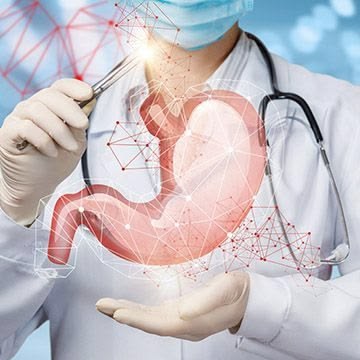
Endoscopy Specialist in Mandla for Advanced Digestive Evaluation – Dr. Yogesh Bang
If you are searching for an Endoscopy Specialist in Mandla, Dr. Yogesh Bang provides specialized evaluation of gastrointestinal conditions using endoscopic techniques when clinically appropriate. He holds MBBS, MS General Surgery, and DNB Surgical Gastroenterology qualifications and completed his super-specialty training at the Asian Institute of Gastroenterology, Hyderabad. His professional profile identifies him as a laparoscopic and endoscopic GI surgeon with expertise in advanced gastroenterology and gastrointestinal surgery.
Endoscopy allows a specialist to examine parts of the digestive tract directly and identify abnormalities that may not appear through symptoms or routine investigations alone. Therefore, doctors may recommend endoscopy for persistent acidity, unexplained upper abdominal discomfort, swallowing difficulties, recurrent vomiting, suspected ulcers, gastrointestinal bleeding, or other digestive concerns.
Dr. Yogesh Bang’s published professional profile highlights training in basic and advanced gastroenterology procedures and identifies him as a Laparoscopic and Endoscopic GI Surgeon. His broader Surgical Gastroenterology expertise also includes hepatobiliary, pancreatic, esophagogastric, colorectal, and gastrointestinal oncology care.
Why Consult an Endoscopy Specialist in Mandla?
Digestive symptoms can originate from several parts of the gastrointestinal tract. For example, persistent heartburn may involve the esophagus, while recurrent upper abdominal pain may originate from the stomach or duodenum. Similarly, unexplained vomiting or difficulty swallowing can require direct examination of the upper digestive tract.
An Endoscopy Specialist in Mandla can assess whether endoscopy can provide useful information about the patient’s symptoms. Before recommending the procedure, the specialist reviews the patient’s medical history, symptoms, medications, previous investigations, and other relevant factors.
Furthermore, endoscopy can help identify conditions such as inflammation, ulcers, bleeding sources, abnormal growths, and other changes within the upper digestive tract. When necessary, the doctor can take tissue samples for laboratory examination. Consequently, endoscopy can provide information that supports a more accurate diagnosis and treatment plan.
What Is Upper GI Endoscopy?
Upper gastrointestinal endoscopy, commonly called upper GI endoscopy or gastroscopy, allows a doctor to examine the lining of the upper digestive system using a specialized flexible instrument with a camera.
The procedure can examine the esophagus, stomach, and duodenum. During the examination, the specialist looks for abnormalities such as inflammation, ulcers, bleeding, narrowing, or suspicious lesions.
Because the doctor can directly visualize the digestive tract, endoscopy can provide valuable information when symptoms persist despite initial treatment. In appropriate situations, the doctor may also collect a small tissue sample for further examination.
However, endoscopy does not suit every digestive complaint. The specialist determines whether the procedure is appropriate after evaluating the patient’s symptoms and medical history.
When Does an Endoscopy Specialist in Mandla Recommend Endoscopy?
Doctors may recommend upper GI endoscopy when symptoms suggest a condition that requires direct examination of the upper digestive tract. Persistent acidity or reflux symptoms, for example, may require evaluation when they continue despite appropriate initial management.
Similarly, difficulty swallowing, recurrent vomiting, unexplained upper abdominal pain, suspected peptic ulcers, gastrointestinal bleeding, or certain abnormal imaging findings can lead a doctor to consider endoscopy.
Patients should also discuss symptoms such as unexplained weight loss, persistent anemia, black stools, or recurrent digestive discomfort with a qualified specialist. These symptoms can have different causes, so proper medical evaluation remains important.
Importantly, the decision to perform an endoscopy depends on the patient’s age, symptoms, medical history, examination findings, previous reports, and clinical risk factors. Therefore, patients should not schedule or avoid the procedure based only on a single symptom.
Digestive Conditions Evaluated Through Endoscopy
Endoscopy can help doctors evaluate several conditions involving the upper digestive tract. For example, it can help identify inflammation associated with gastritis or esophagitis and can reveal ulcers within the stomach or duodenum.
It can also help investigate symptoms associated with gastroesophageal reflux disease. In selected cases, the procedure can identify structural changes, narrowing, bleeding sources, polyps, or suspicious lesions.
Furthermore, endoscopy can support the evaluation of unexplained upper gastrointestinal bleeding. When the doctor identifies an active bleeding source, appropriate endoscopic management may sometimes form part of the treatment.
The exact findings and treatment options depend on the patient’s condition. Therefore, the specialist interprets the endoscopic findings together with symptoms, laboratory reports, imaging, and other clinical information.
Endoscopy Diagnosis and Treatment by Dr. Yogesh Bang
Dr. Yogesh Bang has specialized training in Surgical Gastroenterology and advanced gastroenterology procedures. His published professional profile identifies him as a Laparoscopic and Endoscopic GI Surgeon and states that his super-specialty training included basic and advanced gastroenterology procedures.
His wider expertise includes esophagogastric surgery, advanced laparoscopic surgery, hepatobiliary surgery, pancreatic surgery, colorectal surgery, and gastrointestinal oncology. Therefore, patients whose endoscopy reveals a condition requiring further specialist management can receive evaluation within a broader Surgical Gastroenterology framework.
For example, an endoscopic finding may require medication and follow-up, while another finding may require tissue examination, additional imaging, endoscopic treatment, or surgical evaluation. The appropriate next step depends on the diagnosis and the individual patient’s clinical situation.
How Endoscopy Helps Diagnose Digestive Problems
Endoscopy provides direct visual information about the digestive tract. Consequently, it can complement blood tests and imaging studies when doctors need more detailed information.
Initially, the specialist reviews the patient’s symptoms and medical history. Next, the doctor determines whether endoscopy can answer an important diagnostic question. If the procedure becomes appropriate, the specialist examines the relevant portion of the digestive tract and documents any abnormal findings.
If the doctor sees an area that requires further evaluation, the procedure may allow tissue sampling. The laboratory can then examine the sample to provide additional diagnostic information.
As a result, endoscopy can help doctors move from general symptoms toward a more specific diagnosis. This information can then guide medication, dietary management, monitoring, further investigations, or other treatment.
What to Expect During an Upper GI Endoscopy
Before an endoscopy, the medical team provides instructions about fasting, medications, and other preparation requirements. Patients should follow these instructions carefully and inform the doctor about their existing medications, allergies, and medical conditions.
During the procedure, the doctor uses an endoscope to examine the upper digestive tract. Depending on the clinical setting and procedure plan, the medical team may use appropriate sedation or anesthesia to improve patient comfort.
The specialist then examines the esophagus, stomach, and duodenum for abnormalities. If necessary, the doctor may take a biopsy or perform an appropriate endoscopic intervention.
After the procedure, the medical team provides recovery instructions and explains the findings. If the doctor collects a tissue sample, the final interpretation may require additional laboratory processing.
Because preparation and recovery requirements can vary, patients should follow the specific instructions provided by their treating medical team.
Endoscopy for Acidity, GERD and Stomach Problems
Acidity and reflux remain common digestive complaints. Occasional symptoms may improve with dietary and lifestyle changes, but persistent or recurrent symptoms deserve proper assessment.
An Endoscopy Specialist in Mandla can determine whether upper GI endoscopy may help investigate persistent reflux, heartburn, upper abdominal discomfort, swallowing difficulties, or other symptoms.
Endoscopy can show inflammation, ulcers, structural abnormalities, and other changes in the upper digestive tract. However, the absence of a major abnormality on endoscopy does not necessarily mean that a patient has no digestive disorder. The specialist interprets the findings together with the complete clinical picture.
Therefore, patients should avoid assuming that every case of acidity requires endoscopy. Instead, a qualified specialist should determine whether the procedure offers meaningful diagnostic value.
Advanced Gastrointestinal Care Beyond Endoscopy
Endoscopy represents one part of comprehensive gastrointestinal care. Some patients may require additional investigations or treatment after the procedure.
For example, persistent digestive symptoms may require imaging, blood tests, medication, or follow-up. Similarly, certain structural abnormalities, tumors, complex gastrointestinal disorders, or hepatobiliary conditions may require surgical evaluation.
Dr. Yogesh Bang’s published professional information includes advanced gastrointestinal surgery, hepatobiliary surgery, pancreatic surgery, esophagogastric surgery, colorectal surgery, and GI oncology. Therefore, his broader Surgical Gastroenterology expertise allows him to evaluate digestive conditions that extend beyond endoscopic diagnosis.
This integrated approach can help patients understand not only what an endoscopy shows but also what the findings may mean for their overall treatment plan.
Why Choose Dr. Yogesh Bang as an Endoscopy Specialist in Mandla?
Dr. Yogesh Bang holds MBBS, MS General Surgery, and DNB Surgical Gastroenterology qualifications. He completed his super-specialty training at the Asian Institute of Gastroenterology, Hyderabad, where his training included basic and advanced gastroenterology procedures as well as advanced laparoscopy.
His professional profile identifies him as a Laparoscopic and Endoscopic GI Surgeon. In addition, his areas of expertise include hepatobiliary surgery, pancreatic surgery, esophagogastric surgery, colorectal surgery, GI oncology, and advanced gastrointestinal procedures.
Therefore, patients searching for an Endoscopy Specialist in Mandla can consider Dr. Yogesh Bang when they need specialist evaluation of persistent or concerning digestive symptoms. His broader Surgical Gastroenterology background also supports further evaluation when endoscopy identifies a condition requiring additional treatment.
When Should You Consult an Endoscopy Specialist in Mandla?
You should consider consulting an Endoscopy Specialist in Mandla when digestive symptoms persist, repeatedly return, or interfere with your daily life. Persistent heartburn, difficulty swallowing, unexplained upper abdominal pain, recurrent vomiting, suspected ulcers, gastrointestinal bleeding, or unexplained anemia can require specialist assessment.
Similarly, patients with abnormal findings on previous investigations may benefit from an expert review to determine whether endoscopy can provide additional information.
However, not every digestive symptom requires an endoscopic procedure. The specialist first evaluates the clinical situation and then recommends endoscopy when its potential benefits outweigh the risks.
Therefore, professional evaluation remains the best way to determine whether you need endoscopy, another diagnostic test, medical treatment, or simple observation.
Frequently Asked Questions
An Endoscopy Specialist in Mandla evaluates digestive conditions using endoscopic procedures when clinically appropriate. These procedures allow doctors to examine parts of the gastrointestinal tract directly and, when necessary, collect tissue samples or perform certain treatments.
Dr. Yogesh Bang’s published professional profile identifies him as a Laparoscopic and Endoscopic GI Surgeon and states that his super-specialty training included basic and advanced gastroenterology procedures.
Doctors may recommend upper GI endoscopy for persistent reflux or acidity, difficulty swallowing, unexplained upper abdominal pain, recurrent vomiting, suspected ulcers, gastrointestinal bleeding, unexplained anemia, or other clinically relevant symptoms.
Endoscopy may help evaluate persistent or complicated acidity and reflux symptoms. However, not every patient with acidity requires endoscopy. A specialist should determine whether the procedure is appropriate based on symptoms and medical history.
Yes. Upper GI endoscopy can allow the doctor to directly examine the stomach and duodenum and identify ulcers or other abnormalities. The doctor may also take a biopsy when clinically necessary.
Yes. When the doctor identifies an area that requires further evaluation, an endoscope can allow the collection of a small tissue sample for laboratory examination.
Consult Dr. Yogesh Bang for Endoscopy Care in Mandla
If you are looking for an Endoscopy Specialist in Mandla, Dr. Yogesh Bang offers specialized Surgical Gastroenterology expertise and has published professional credentials as a Laparoscopic and Endoscopic GI Surgeon. His qualifications include MBBS, MS General Surgery, and DNB Surgical Gastroenterology, with super-specialty training at the Asian Institute of Gastroenterology, Hyderabad.
Therefore, patients with persistent acidity, reflux, swallowing difficulties, unexplained upper abdominal symptoms, suspected ulcers, gastrointestinal bleeding, or other concerning digestive problems can seek specialist evaluation to determine the appropriate next step.
With expertise across endoscopic, laparoscopic, gastrointestinal, hepatobiliary, pancreatic, and colorectal care, Dr. Yogesh Bang provides a comprehensive approach to digestive disease evaluation and treatment.
Why choose us?
- Experienced Surgical Gastroenterologist
- Advanced laparoscopic and GI surgeries
- Personalized treatment plans
- Compassionate, patient-focused care
- Modern techniques for faster recovery
Schedule your consultation today and receive expert care from one of the trusted Endoscopy Specialist in Mandla for a healthier digestive system.