
Endoscopy Specialist in Yavatmal | Advanced Gastrointestinal Care, Diagnosis & Treatment By Dr. Yogesh Bang
Digestive problems can affect your comfort, appetite, energy, and daily routine. Persistent acidity, abdominal pain, bloating, vomiting, difficulty swallowing, or changes in bowel habits need proper medical attention. An endoscopic examination allows a specialist to view the digestive tract and identify possible problems. If you are searching for an Endoscopy Specialist in Yavatmal, Dr. Yogesh Bang at LGI Hospital provides specialised gastrointestinal evaluation and advanced endoscopy care. He reviews your symptoms, medical history, previous reports, current medicines, and treatment response before recommending an endoscopic procedure. This detailed assessment helps him choose the right diagnostic approach for your condition. Dr. Yogesh Bang is a Surgical Gastroenterologist who diagnoses and treats a wide range of digestive conditions. During endoscopy, he can examine the oesophagus, stomach, duodenum, colon, and other parts of the digestive system. The procedure can help identify inflammation, ulcers, bleeding, abnormal growths, narrowing, and other gastrointestinal problems.
Advanced Endoscopy Care for Patients in Yavatmal
Endoscopy allows a specialist to examine the digestive tract directly and identify problems that may not appear through routine tests. It can help detect inflammation, ulcers, bleeding, abnormal growths, narrowing, and other gastrointestinal conditions. When clinically appropriate, the specialist can also perform certain therapeutic procedures during the same session. This makes endoscopy a valuable tool for both diagnosis and selected treatments.
Dr. Yogesh Bang focuses on accurate diagnosis and personalized gastrointestinal care. Before recommending endoscopy, he reviews the patient’s symptoms, medical history, and previous reports. He also explains the purpose of the procedure, preparation, and what patients can expect during and after the examination. This clear approach helps patients understand their treatment plan and feel more comfortable throughout their endoscopy journey.
What Is an Endoscopy ?
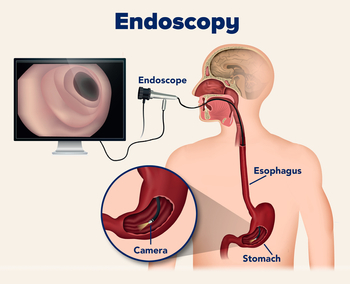
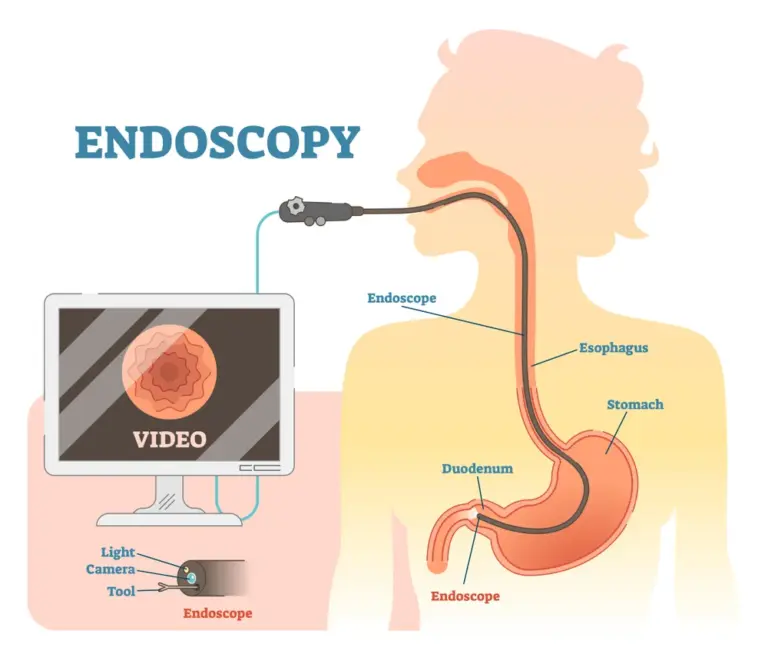
An endoscopy is a medical procedure that uses a thin, flexible tube with a small camera to examine the digestive tract. The specialist guides the instrument carefully and views the digestive lining on a screen. This direct examination can help identify inflammation, ulcers, bleeding, abnormal growths, narrowing, and other problems that routine tests may not detect clearly. The type of endoscopy depends on your symptoms and medical needs. Upper GI endoscopy examines the oesophagus, stomach, and duodenum. Colonoscopy examines the large intestine and rectum. Your specialist recommends the appropriate procedure after reviewing your symptoms and medical history. Endoscopy supports both diagnosis and selected treatments. During the procedure, the doctor may take a biopsy for further testing, control certain types of bleeding, remove suitable polyps, or perform other therapeutic procedures when required. This makes endoscopy an important tool for accurate gastrointestinal evaluation and personalized treatment planning.
Why Choose Dr. Yogesh Bang for Endoscopy Care?
Choosing the right specialist can make your endoscopy experience more comfortable and focused.
Key Advantages of Specialist Endoscopy Care
▪ Detailed evaluation of digestive symptoms
▪ Personalised assessment before the procedure
▪ Advanced endoscopic evaluation
▪ Biopsy when clinically required
▪ Suitable therapeutic procedures
▪ Clear explanation of findings
▪ Individualised treatment planning
▪ Appropriate follow-up care
Dr. Yogesh Bang does not recommend endoscopy as a routine test. He reviews your symptoms, examination findings, and previous reports to determine whether the procedure can benefit you. This focused approach helps avoid unnecessary investigations while supporting accurate diagnosis and timely treatment.
Conditions That May Require Endoscopy
Several digestive conditions may need endoscopic evaluation when symptoms persist or routine tests do not provide clear answers. An Endoscopy Specialist in Yavatmal can use endoscopy to examine the digestive tract and identify possible causes.
▪ Acid Reflux & GERD: Helps assess persistent heartburn, reflux, chest discomfort, or swallowing problems.
▪ Gastritis: Examines stomach inflammation linked to pain, nausea, bloating, or indigestion.
▪ Peptic Ulcers: Helps detect stomach or duodenal ulcers that may cause pain or bleeding.
▪ Gastrointestinal Bleeding: Can help locate the source of blood in vomit, stool, or unexplained anaemia.
▪ Difficulty Swallowing: Helps identify inflammation, narrowing, or other changes in the food pipe.
▪ Persistent Abdominal Discomfort: May support evaluation of ongoing pain, indigestion, nausea, or unexplained digestive symptoms.
Dr. Yogesh Bang evaluates your symptoms and medical history before recommending endoscopy. This helps ensure the procedure is used appropriately for accurate diagnosis and suitable treatment planning.
Upper GI Endoscopy By Endoscopy Specialist in Yavatmal
• Upper GI Endoscopy: Examines the food pipe, stomach, and upper digestive tract.
• Colonoscopy: Checks the large intestine for bowel and colorectal problems.
• Therapeutic Endoscopy: Helps manage selected digestive conditions through minimally invasive procedures.
• Liver Function Tests: Assess liver enzymes and other liver health markers.
• Abdominal Ultrasound: Examines abdominal organs, including the liver and gallbladder.
• CT Scan & MRI Review: Supports detailed evaluation of complex conditions.
• Endoscopic Biopsy: Collects tissue samples when further examination is needed.
• GI Cancer Screening: Helps assess potential gastrointestinal cancer concerns.
• Hepatobiliary Evaluation: Assesses the liver, gallbladder, and bile ducts.
• Advanced Laboratory Tests: Provides additional information based on individual needs.
Moreover, not every patient requires every test. Dr. Yogesh Bang recommends investigations according to the clinical situation.
Colonoscopy for Lower Digestive Problems
A colonoscopy allows Dr. Yogesh Bang to examine the large intestine and rectum using a flexible camera. He may recommend this procedure when you have persistent changes in bowel habits, rectal bleeding, unexplained abdominal discomfort, or symptoms that suggest a colorectal problem. Colonoscopy can also help identify polyps, inflammation, bleeding, and other abnormalities in the colon. Colonoscopy may support colorectal cancer screening for people who meet the recommended screening criteria. The appropriate timing can vary based on age, family history, personal medical history, and individual risk factors. Dr. Yogesh Bang reviews these factors before recommending the procedure. He also explains bowel preparation, medicines, dietary instructions, and other important steps before the examination. Proper preparation helps provide a clearer view of the colon and supports a more effective examination.
When Should You Consider an Endoscopy ?
Not every digestive symptom requires endoscopy. However, persistent or concerning symptoms may need specialist evaluation. You should consider consulting an Endoscopy Specialist in Yavatmal if you experience:
▪ Persistent acidity or heartburn
▪ Recurrent abdominal pain
▪ Difficulty swallowing
▪ Repeated vomiting
▪ Unexplained weight loss
▪ Persistent indigestion
▪ Gastrointestinal bleeding
▪ Black or tarry stools
▪ Unexplained anaemia
▪ Persistent changes in bowel habits
Your doctor will first evaluate your symptoms. If endoscopy is appropriate, Dr. Yogesh Bang can explain the purpose and expected benefits of the procedure.
How Endoscopy Helps in Diagnosis ?
Many digestive conditions can cause similar symptoms, making it difficult to identify the exact cause through symptoms alone. Abdominal discomfort, for example, may result from gastritis, ulcers, acid reflux, infection, or other gastrointestinal problems. Endoscopy allows Dr. Yogesh Bang to examine the digestive lining directly and look for abnormalities. The findings can help him confirm a possible diagnosis and decide whether you need further tests or specific treatment. During an endoscopy, Dr. Yogesh Bang may take a small tissue sample when he needs additional information. A biopsy allows a laboratory to examine the tissue and identify the cause of inflammation or other changes. Taking a biopsy does not automatically mean that cancer is suspected. Doctors may recommend it simply to understand an abnormal area more accurately. This detailed evaluation can support a clearer diagnosis and more personalised treatment plan.
Endoscopy Procedure: What to Expect ?
Understanding the endoscopy process can help you feel more prepared and comfortable. Before the procedure, Dr. Yogesh Bang reviews your medical history, current medicines, symptoms, and previous reports. He then explains the required preparation and answers your questions about the examination. For an upper GI endoscopy, you may need to avoid food and drinks for a specific period before the procedure. A colonoscopy usually requires bowel preparation to clear the colon and provide a better view. During the examination, Dr. Yogesh Bang carefully guides the flexible endoscope through the required part of the digestive tract. Depending on your procedure and clinical needs, the medical team may use sedation to improve comfort.
After the examination, Dr. Yogesh Bang reviews the findings and explains the next steps. If he takes a biopsy, the laboratory may need additional time to prepare the final report.
Preparation Before Endoscopy By Endoscopy Specialist in Yavatmal
Proper preparation can improve the quality and safety of an endoscopic examination. Your preparation instructions will depend on the type of procedure. Before your appointment, inform the doctor about your current medicines, allergies, previous procedures, and existing medical conditions. Some medicines may require special instructions before certain procedures.
For colonoscopy, bowel preparation is especially important. Following the prescribed preparation correctly helps the doctor obtain a clearer view of the colon. Dr. Yogesh Bang provides procedure-specific guidance so that patients understand what to do before their examination.
Recovery After Endoscopy By Endoscopy Specialist in Yavatmal
Recovery depends on the type of endoscopy and whether sedation or any additional procedure was performed.
After an upper GI endoscopy, some patients may experience temporary throat discomfort or mild bloating. These symptoms usually settle quickly. After colonoscopy, temporary bloating or abdominal discomfort may occur. If sedation is used, you may need someone to accompany you home. Your doctor will provide specific post-procedure instructions based on your condition.
Always contact your healthcare provider promptly if you experience severe pain, significant bleeding, persistent vomiting, breathing difficulty, or other concerning symptoms after a procedure.
Endoscopy Specialist in Yavatmal for Personalised Care
Patients searching for an Endoscopy Specialist in Yavatmal can consult Dr. Yogesh Bang at LGI Hospital for specialized gastrointestinal evaluation. His approach focuses on understanding the underlying problem rather than treating symptoms alone. He reviews available reports and recommends investigations based on clinical need.
From initial consultation to diagnosis and follow-up, patients receive guidance at each stage. The goal is to make gastrointestinal evaluation clear, focused, and clinically appropriate.
Frequently Asked Questions (FAQ)
An Endoscopy Specialist performs and interprets endoscopic procedures used to examine the digestive tract. These procedures can help diagnose conditions such as ulcers, gastritis, reflux-related problems, bleeding, polyps, and other gastrointestinal abnormalities.
Upper GI endoscopy may be recommended for persistent acidity, swallowing difficulty, recurrent vomiting, unexplained upper abdominal pain, suspected ulcers, gastrointestinal bleeding, or other symptoms that require direct examination.
Endoscopy is generally well tolerated. Depending on the procedure and individual circumstances, sedation may be used to improve comfort. Your specialist will explain what to expect before the examination.
The procedure time varies according to the type of endoscopy and whether additional treatment or tissue sampling is required. Your doctor can provide a more specific estimate after evaluating your condition.
Yes. If the doctor identifies an area that requires further evaluation, a small tissue sample may be collected during endoscopy. The sample is then examined in a laboratory.
Preparation depends on the type of endoscopy. You may need to avoid food and liquids for a specific period before an upper GI endoscopy. Always follow the instructions provided by your doctor.
Colonoscopy is a type of endoscopic examination that focuses on the large intestine and rectum. Upper GI endoscopy examines the oesophagus, stomach, and duodenum.
Book Your Consultation Today
Do not continue to ignore persistent digestive symptoms. A timely consultation can help you understand the possible cause and choose the right diagnostic approach.
Consult Dr. Yogesh Bang at LGI Hospital for professional gastrointestinal evaluation and endoscopy-related care. He assesses your symptoms, medical history, reports, and treatment needs before recommending an appropriate procedure.
Book your consultation today and take the next step towards better digestive health.