
Advanced Gastrointestinal Cancer Surgery by Dr. Yogesh Bang at LGI Hospital
What is GI Oncology?
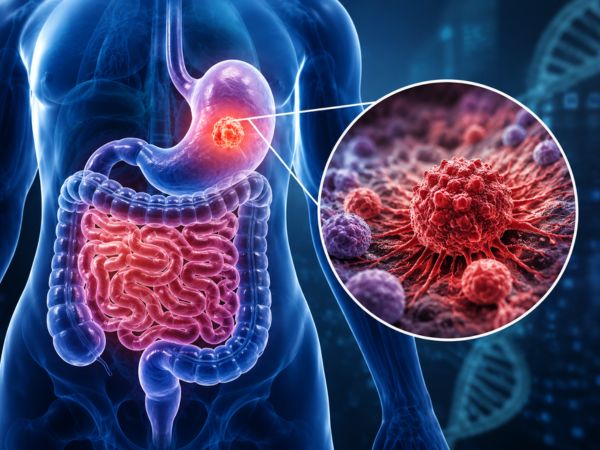
Types of Gastrointestinal Cancers Treated
Dr. Yogesh Bang provides evaluation and surgical treatment for various gastrointestinal cancers, including:
- Esophageal Cancer
- Stomach (Gastric) Cancer
- Small Intestinal Cancer
- Colon Cancer
- Rectal Cancer
- Anal Cancer
- Liver Cancer
- Gallbladder Cancer
- Bile Duct Cancer (Cholangiocarcinoma)
- Pancreatic Cancer
- Gastrointestinal Stromal Tumors (GIST)
- Neuroendocrine Tumors
- Peritoneal Tumors
- Metastatic Gastrointestinal Cancers
Each patient receives a customized treatment plan based on detailed clinical evaluation and staging.
Symptoms of Gastrointestinal Cancer
Symptoms vary depending on the organ involved.
Common warning signs include:
- Persistent abdominal pain
- Difficulty swallowing
- Chronic indigestion
- Heartburn that does not improve
- Unexplained weight loss
- Loss of appetite
- Blood in the stool
- Black-colored stools
- Persistent constipation or diarrhea
- Change in bowel habits
- Abdominal swelling
- Persistent nausea or vomiting
- Jaundice
- Fatigue
- Iron deficiency anemia
If these symptoms persist for more than two weeks, specialist consultation is recommended.
Diagnosis of GI Cancer
Dr. Yogesh Bang performs a thorough evaluation before planning treatment.
Diagnostic investigations may include:
- Medical history
- Physical examination
- Blood tests
- Tumor marker tests
- Upper GI Endoscopy
- Colonoscopy
- Endoscopic Ultrasound (EUS), when indicated
- Biopsy
- CT Scan
- MRI Scan
- PET-CT Scan (when indicated)
- Ultrasound Abdomen
- Diagnostic Laparoscopy
Accurate staging allows the selection of the most effective treatment strategy.
GI Oncology Treatment Options
Treatment depends on the cancer type, stage, and the patient’s overall health.
Cancer Surgery
Surgery remains the primary treatment for many gastrointestinal cancers.
Dr. Yogesh Bang performs procedures such as:
- Esophageal Cancer Surgery
- Gastrectomy (Stomach Cancer Surgery)
- Colon Cancer Surgery
- Rectal Cancer Surgery
- Liver Tumor Surgery
- Gallbladder Cancer Surgery
- Bile Duct Surgery
- Pancreatic Surgery
- Small Intestinal Cancer Surgery
Advanced Laparoscopic Cancer Surgery
Whenever appropriate, minimally invasive surgery offers:
- Smaller incisions
- Less postoperative pain
- Reduced blood loss
- Faster recovery
- Shorter hospital stay
- Better cosmetic results
Multidisciplinary Cancer Care
Depending on the diagnosis, treatment may also include:
- Chemotherapy
- Radiation therapy
- Targeted therapy
- Immunotherapy
- Nutritional support
- Pain management
- Palliative care
Dr. Yogesh Bang works closely with oncologists, radiologists, pathologists, and other specialists to provide coordinated cancer care.
Benefits of Early GI Cancer Treatment
Early diagnosis significantly improves treatment success.
Benefits include:
- Higher cure rates
- More treatment options
- Smaller and less complex surgeries
- Faster recovery
- Reduced risk of cancer spread
- Better long-term survival
- Improved quality of life
- Better preservation of digestive function
Therefore, routine screening and prompt evaluation of symptoms are extremely important.
Recovery After GI Cancer Surgery
Recovery depends on the type of cancer and surgery performed.
Patients are encouraged to:
- Follow postoperative dietary advice.
- Walk regularly after surgery.
- Take medications as prescribed.
- Maintain good nutrition.
- Attend follow-up appointments.
- Complete recommended chemotherapy or radiation therapy if advised.
- Report new symptoms immediately.
Long-term follow-up plays a key role in detecting recurrence early.
Possible Complications if Left Untreated
Untreated gastrointestinal cancers may result in:
- Intestinal obstruction
- Internal bleeding
- Severe weight loss
- Liver metastasis
- Malnutrition
- Perforation of the digestive tract
- Organ failure
- Advanced-stage cancer
- Reduced survival
Early treatment offers the best chance for successful outcomes.
Tips to Reduce the Risk of Gastrointestinal Cancer
Although not all cancers are preventable, healthy habits can lower your risk.
- Eat a diet rich in fruits, vegetables, and whole grains.
- Limit processed and red meat.
- Exercise regularly.
- Maintain a healthy body weight.
- Quit smoking.
- Limit alcohol consumption.
- Treat chronic acid reflux and liver diseases promptly.
- Undergo regular colon cancer screening after the recommended age.
- Seek medical advice for persistent digestive symptoms.