
Advanced Piles Treatment by Dr. Yogesh Bang at LGI Hospital
What Are Piles?
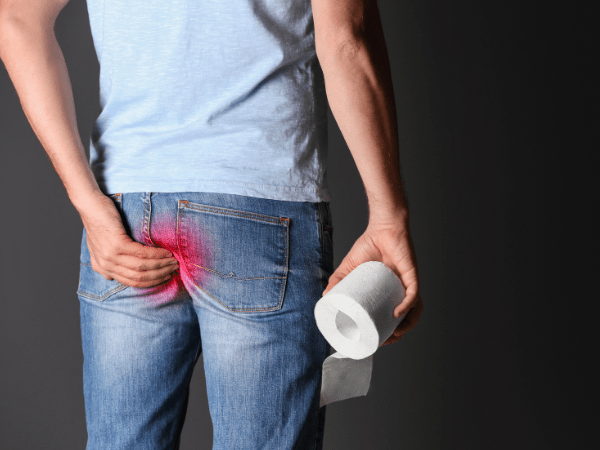
Types of Piles
Piles are classified into different types based on their location.
Internal Piles
Internal hemorrhoids develop inside the rectum. They usually cause painless bleeding during bowel movements but may prolapse as the condition progresses.
External Piles
External hemorrhoids develop under the skin around the anus. They can cause pain, swelling, itching, and difficulty sitting comfortably.
Thrombosed Piles
A blood clot may form inside an external hemorrhoid, leading to severe pain, swelling, and inflammation. This condition often requires urgent medical evaluation.
Prolapsed Piles
In advanced stages, internal hemorrhoids may protrude outside the anus and require manual repositioning or surgical treatment.
Symptoms of Piles
Common symptoms include:
- Bright red blood during bowel movements
- Pain while passing stools
- Itching around the anus
- Burning sensation
- Swelling near the anus
- Lump around the anal opening
- Mucus discharge
- Feeling of incomplete bowel emptying
- Discomfort while sitting
- Anal irritation
If bleeding or severe pain persists, consult a specialist promptly.
Causes of Piles
Several factors increase the risk of developing piles.
Common causes include:
- Chronic constipation
- Straining during bowel movements
- Prolonged sitting on the toilet
- Low-fiber diet
- Pregnancy
- Obesity
- Heavy lifting
- Chronic diarrhea
- Aging
- Family history of hemorrhoids
Fortunately, healthy lifestyle changes can reduce the risk of recurrence.
Diagnosis of Piles
Dr. Yogesh Bang performs a thorough clinical evaluation before recommending treatment.
Diagnostic methods may include:
- Medical history
- Physical examination
- Digital rectal examination
- Proctoscopy
- Anoscopy
- Sigmoidoscopy
- Colonoscopy (when indicated to rule out other causes of bleeding)
An accurate diagnosis ensures appropriate treatment while excluding more serious colorectal conditions.
Piles Treatment Options
Treatment depends on the grade and severity of hemorrhoids.
Lifestyle and Dietary Changes
Early-stage piles often improve with simple lifestyle modifications.
Recommendations include:
- High-fiber diet
- Adequate water intake
- Regular exercise
- Avoiding prolonged sitting
- Avoiding excessive straining
- Healthy bowel habits
Medications
Your doctor may prescribe medications to reduce pain, swelling, and inflammation while improving bowel movements.
Rubber Band Ligation
This minimally invasive procedure cuts off the blood supply to internal hemorrhoids, causing them to shrink and fall off naturally.
Stapler Surgery for Piles
Stapled hemorrhoidopexy is an advanced surgical technique that treats prolapsed internal hemorrhoids with less postoperative pain and faster recovery compared to conventional surgery.
Laser Piles Treatment
Laser treatment is a minimally invasive option for selected patients.
Benefits include:
- Minimal bleeding
- Less pain
- Faster healing
- Shorter hospital stay
- Quick return to normal activities
Conventional Hemorrhoidectomy
Large or complicated hemorrhoids may require surgical removal to provide permanent relief.
Benefits of Advanced Piles Treatment
Modern treatment techniques provide several advantages.
These include:
- Minimal pain
- Faster recovery
- Lower recurrence rates
- Short hospital stay
- Minimal bleeding
- Early return to work
- Improved comfort
- Better long-term outcomes
Therefore, patients can resume normal activities much sooner.
Recovery After Piles Treatment
Recovery varies depending on the treatment performed.
Most patients should:
- Drink plenty of water
- Eat a high-fiber diet
- Take prescribed medications
- Avoid constipation
- Walk regularly
- Maintain proper hygiene
- Attend follow-up appointments
- Avoid heavy lifting for a few weeks
Following these recommendations supports faster healing.
Possible Complications if Left Untreated
Ignoring piles may lead to:
- Persistent bleeding
- Severe pain
- Anemia
- Thrombosed hemorrhoids
- Prolapsed hemorrhoids
- Infection
- Difficulty passing stools
Early treatment helps prevent these complications.
Tips to Prevent Piles
You can reduce your risk of developing hemorrhoids by following these simple measures.
- Eat a fiber-rich diet.
- Drink at least 2–3 liters of water daily.
- Exercise regularly.
- Avoid prolonged sitting.
- Do not delay bowel movements.
- Avoid excessive straining.
- Maintain a healthy body weight.
- Limit processed foods.
- Practice good anal hygiene.