
Advanced Stomach and Peptic Ulcer Treatment by Dr. Yogesh Bang at LGI Hospital
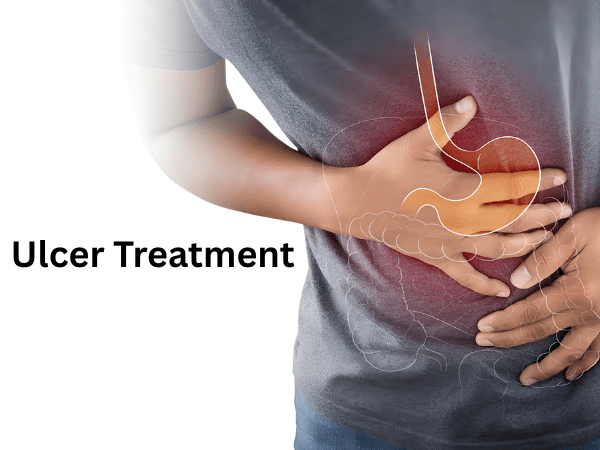
What is an Ulcer?inal Oncology?
An ulcer is a break in the protective lining of the digestive tract caused by stomach acid and digestive enzymes. The most common types include:
- Gastric Ulcer (Stomach Ulcer)
- Duodenal Ulcer (Upper Small Intestine Ulcer)
- Esophageal Ulcer
Most ulcers can heal successfully with appropriate treatment. However, delayed diagnosis may result in serious complications. Therefore, early medical evaluation is essential.
Types of Ulcers
Gastric Ulcer
A gastric ulcer develops inside the stomach lining and may cause pain shortly after eating.
Duodenal Ulcer
A duodenal ulcer forms in the first part of the small intestine. Pain often improves after meals but may return later.
Esophageal Ulcer
An esophageal ulcer develops in the food pipe and is commonly associated with severe acid reflux or certain medications.
Symptoms of an Ulcer
Ulcer symptoms vary depending on the location and severity.
Common symptoms include:
- Burning stomach pain
- Upper abdominal pain
- Heartburn
- Acid reflux
- Indigestion
- Nausea
- Vomiting
- Bloating
- Feeling full quickly
- Loss of appetite
- Unexplained weight loss
- Black stools
- Blood in vomit
- Fatigue due to bleeding
Seek immediate medical attention if you experience severe abdominal pain, vomiting blood, or black stools.
Causes of Ulcers
Several factors contribute to ulcer formation.
Common causes include:
- Helicobacter pylori (H. pylori) infection
- Long-term use of painkillers (NSAIDs)
- Excess stomach acid
- Smoking
- Excessive alcohol consumption
- Severe stress during critical illness
- Acid reflux disease (GERD)
- Zollinger-Ellison syndrome (rare)
- Family history
Treating the underlying cause helps prevent ulcer recurrence.
Diagnosis of Ulcers
Dr. Yogesh Bang performs a thorough evaluation before recommending treatment.
Diagnostic tests may include:
- Medical history and physical examination
- Upper GI Endoscopy
- H. pylori testing
- Blood tests
- Stool examination
- Urea Breath Test
- Biopsy (if required)
- CT Scan (for complications)
- X-ray (when perforation is suspected)
Accurate diagnosis ensures appropriate treatment and rules out stomach cancer in selected cases.
Ulcer Treatment Options
Treatment depends on the cause, location, and severity of the ulcer.
Medications
Most ulcers heal with medications that reduce stomach acid and eliminate H. pylori infection.
Treatment may include:
- Proton Pump Inhibitors (PPIs)
- H2 receptor blockers
- Antibiotics for H. pylori
- Antacids
- Protective medications for the stomach lining
Endoscopic Treatment
If an ulcer causes bleeding, endoscopy can often stop the bleeding without open surgery.
Surgical Treatment
Surgery may be necessary for complications such as:
- Perforated ulcer
- Severe bleeding not controlled by endoscopy
- Gastric outlet obstruction
- Recurrent ulcers despite treatment
Whenever appropriate, minimally invasive laparoscopic surgery may be performed.
Benefits of Early Ulcer Treatment
Timely treatment provides several important benefits.
These include:
- Faster healing
- Relief from pain
- Prevention of bleeding
- Reduced risk of perforation
- Improved digestion
- Better quality of life
- Lower recurrence rates
- Reduced need for surgery
Therefore, do not ignore persistent stomach pain or acid reflux symptoms.
Recovery and Lifestyle Changes
Successful recovery depends on following medical advice.
Patients should:
- Complete the prescribed medication course.
- Avoid smoking.
- Limit alcohol consumption.
- Eat smaller, balanced meals.
- Avoid spicy and oily foods if they trigger symptoms.
- Reduce unnecessary NSAID use.
- Stay hydrated.
- Manage stress effectively.
- Attend follow-up appointments.
These changes help prevent ulcer recurrence.
Possible Complications if Left Untreated
Untreated ulcers may lead to:
- Internal bleeding
- Perforation (hole in the stomach or intestine)
- Gastric outlet obstruction
- Severe infection
- Anemia
- Weight loss
- Increased risk of recurrent ulcers
Prompt treatment greatly reduces these risks.
Tips to Prevent Ulcers
Healthy habits help protect the stomach lining.
- Eat balanced meals at regular times.
- Avoid smoking.
- Limit alcohol intake.
- Use painkillers only as prescribed.
- Wash hands regularly to reduce H. pylori transmission.
- Maintain a healthy weight.
- Manage stress effectively.
- Seek treatment for persistent acidity or acid reflux.