
Advanced Diarrhea Treatment by Dr. Yogesh Bang at LGI Hospital
What is Diarrhea?
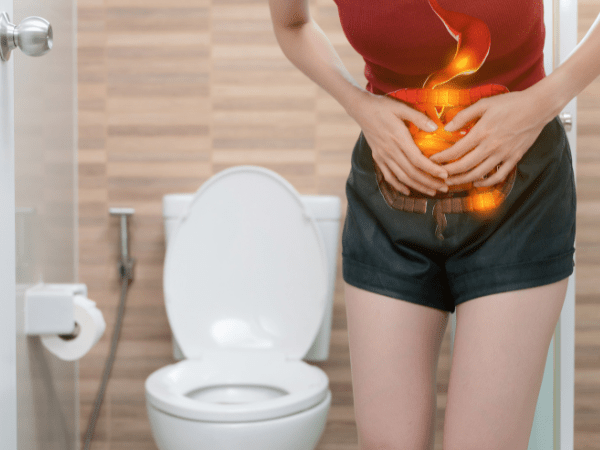
Types of Diarrhea
Dr. Yogesh Bang evaluates and treats different types of diarrhea, including:
- Acute Diarrhea
- Chronic Diarrhea
- Infectious Diarrhea
- Traveler’s Diarrhea
- Antibiotic-Associated Diarrhea
- Inflammatory Diarrhea
- Secretory Diarrhea
- Osmotic Diarrhea
- Functional Diarrhea
- Diarrhea Associated with Irritable Bowel Syndrome (IBS)
Identifying the exact cause helps ensure the most effective treatment.
Symptoms of Diarrhea
Common symptoms include:
- Frequent loose or watery stools
- Abdominal cramps
- Stomach pain
- Urgent bowel movements
- Nausea
- Vomiting
- Fever
- Bloating
- Loss of appetite
- Fatigue
- Blood or mucus in stools
- Dehydration
- Weight loss in prolonged cases
Seek immediate medical attention if diarrhea lasts more than two days, contains blood, or causes severe dehydration.
Causes of Diarrhea
Several conditions can lead to diarrhea.
Common causes include:
- Viral infections
- Bacterial infections
- Parasitic infections
- Food poisoning
- Contaminated food or water
- Antibiotic use
- Lactose intolerance
- Celiac disease
- Irritable Bowel Syndrome (IBS)
- Inflammatory Bowel Disease (IBD)
- Digestive enzyme deficiencies
- Certain medications
Early identification of the cause improves treatment success.
Diagnosis of Diarrhea
Dr. Yogesh Bang performs a comprehensive evaluation before recommending treatment.
Diagnostic investigations may include:
- Medical history
- Physical examination
- Stool examination
- Stool culture
- Blood tests
- Electrolyte testing
- Colonoscopy (for chronic diarrhea)
- Upper GI Endoscopy (when indicated)
- CT Scan or Ultrasound Abdomen
- Food intolerance testing (selected cases)
These investigations help identify infections, inflammation, or other digestive disorders.
Diarrhea Treatment Options
Treatment depends on the underlying cause and severity of the condition.
Oral Rehydration Therapy
Replacing lost fluids and electrolytes is the first priority.
Patients are advised to:
- Drink Oral Rehydration Solution (ORS)
- Increase water intake
- Consume electrolyte-rich fluids
Medications
Treatment may include:
- Antibiotics (only when bacterial infection is confirmed or strongly suspected)
- Antiparasitic medications
- Probiotics
- Antidiarrheal medications when appropriate
- Medications for inflammatory bowel disease or IBS if diagnosed
Dietary Management
Healthy eating supports faster recovery.
Patients are advised to:
- Eat easily digestible foods
- Avoid oily and spicy meals
- Limit dairy if lactose intolerance is suspected
- Consume bananas, rice, applesauce, and toast (BRAT diet) when appropriate
- Stay well hydrated
Treatment of Underlying Conditions
Chronic diarrhea may require management of:
- Irritable Bowel Syndrome (IBS)
- Crohn’s disease
- Ulcerative colitis
- Celiac disease
- Colon disorders
- Food intolerances
Benefits of Early Diarrhea Treatment
Timely treatment offers several advantages.
These include:
- Faster symptom relief
- Prevention of dehydration
- Reduced risk of hospitalization
- Restoration of electrolyte balance
- Better digestive health
- Improved energy levels
- Prevention of complications
- Better quality of life
Therefore, early medical evaluation is recommended when symptoms persist.
Recovery and Home Care
Patients can support recovery by following these recommendations:
- Drink plenty of fluids.
- Take ORS as advised.
- Eat light, nutritious meals.
- Avoid alcohol and caffeine.
- Wash hands frequently.
- Complete the prescribed medication course.
- Rest adequately.
- Attend follow-up appointments if symptoms continue.
These measures help promote faster recovery.
Possible Complications if Left Untreated
Untreated diarrhea may lead to:
- Severe dehydration
- Electrolyte imbalance
- Kidney problems
- Malnutrition
- Weight loss
- Persistent infection
- Low blood pressure
- Hospitalization
Prompt treatment greatly reduces these risks.
Tips to Prevent Diarrhea
Healthy habits help prevent many cases of diarrhea.
- Wash your hands regularly.
- Drink clean, safe water.
- Eat freshly cooked food.
- Avoid contaminated food and beverages.
- Maintain good kitchen hygiene.
- Store food properly.
- Get recommended vaccinations before travel.
- Avoid unnecessary antibiotic use.
- Practice safe food handling.