
Advanced Acidity Treatment by Dr. Yogesh Bang at LGI Hospital
What is Acidity?
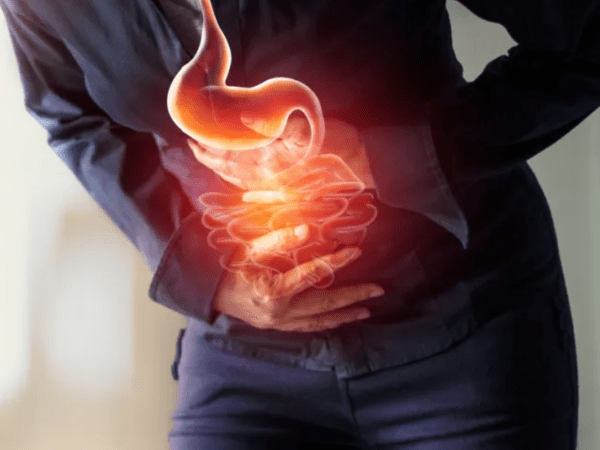
Common Symptoms of Acidity
Acidity may present with one or more of the following symptoms:
- Burning sensation in the chest (Heartburn)
- Sour or bitter taste in the mouth
- Acid reflux
- Upper abdominal pain
- Indigestion
- Frequent burping
- Bloating
- Nausea
- Vomiting
- Difficulty swallowing
- Chest discomfort after meals
- Feeling of food coming back into the mouth
- Chronic cough
- Hoarseness of voice
- Bad breath
If these symptoms occur frequently or disturb your daily routine, consult a gastrointestinal specialist.
Causes of Acidity
Several factors contribute to excess stomach acid production or acid reflux.
Common causes include:
- Gastroesophageal Reflux Disease (GERD)
- Gastritis
- Stomach ulcers
- Hiatal hernia
- Excessive consumption of spicy foods
- Oily and fatty meals
- Irregular eating habits
- Overeating
- Smoking
- Alcohol consumption
- Stress
- Obesity
- Pregnancy
- Certain medications such as NSAIDs
Identifying the underlying cause is essential for effective long-term treatment.
Diagnosis of Acidity
Dr. Yogesh Bang performs a detailed evaluation before recommending treatment.
Diagnostic tests may include:
- Medical history
- Physical examination
- Upper GI Endoscopy
- Blood tests
- H. pylori testing
- Ultrasound Abdomen
- 24-Hour pH Monitoring
- Esophageal Manometry
- Biopsy (when indicated)
These investigations help identify the exact cause of persistent acidity and rule out more serious digestive conditions.
Acidity Treatment Options
Treatment depends on the underlying cause and severity of symptoms.
Lifestyle Modifications
Many patients experience significant improvement by making simple lifestyle changes.
Recommendations include:
- Eat smaller meals.
- Avoid spicy and oily foods.
- Do not lie down immediately after eating.
- Maintain a healthy weight.
- Stop smoking.
- Limit alcohol consumption.
- Avoid caffeine if it triggers symptoms.
- Eat dinner at least three hours before bedtime.
Medications
Your doctor may prescribe:
- Proton Pump Inhibitors (PPIs)
- H2 Receptor Blockers
- Antacids
- Prokinetic medications
- Medications to protect the stomach lining
These medicines reduce acid production and relieve symptoms effectively.
Endoscopic Evaluation
Upper GI endoscopy helps diagnose gastritis, ulcers, GERD, and other stomach disorders causing persistent acidity.
Laparoscopic Surgery
Patients with severe GERD or hiatal hernia who do not respond to medications may benefit from laparoscopic anti-reflux surgery.
This procedure offers:
- Long-term relief from acid reflux
- Reduced dependence on medications
- Faster recovery
- Smaller incisions
- Improved quality of life
Benefits of Early Acidity Treatment
Early diagnosis and treatment provide several important benefits.
These include:
- Relief from heartburn
- Better digestion
- Prevention of acid reflux complications
- Healing of the esophagus
- Reduced stomach irritation
- Better sleep quality
- Improved appetite
- Enhanced overall digestive health
Therefore, early medical care helps prevent chronic digestive disorders.
Recovery and Lifestyle Tips
Patients can reduce acidity by following healthy habits.
- Eat balanced meals at regular intervals.
- Avoid overeating.
- Stay hydrated.
- Exercise regularly.
- Avoid smoking.
- Limit alcohol intake.
- Manage stress effectively.
- Sleep with your head slightly elevated if you have nighttime reflux.
- Follow your prescribed medications.
These changes support long-term digestive health.
Possible Complications if Left Untreateds Treatment
Persistent acidity may lead to:
- GERD
- Esophagitis
- Esophageal ulcers
- Barrett’s esophagus
- Difficulty swallowing
- Chronic cough
- Dental erosion
- Reduced quality of life
Prompt treatment significantly lowers these risks.
Tips to Prevent Acidity
You can reduce your risk of acidity by following these recommendations.
- Eat healthy meals on time.
- Avoid spicy, fried, and oily foods.
- Drink plenty of water.
- Exercise regularly.
- Maintain a healthy body weight.
- Avoid smoking.
- Limit alcohol consumption.
- Reduce stress.
- Avoid eating just before bedtime.