
Advanced Abdominal Pain Treatment by Dr. Yogesh Bang at LGI Hospital
What is Abdominal Pain?
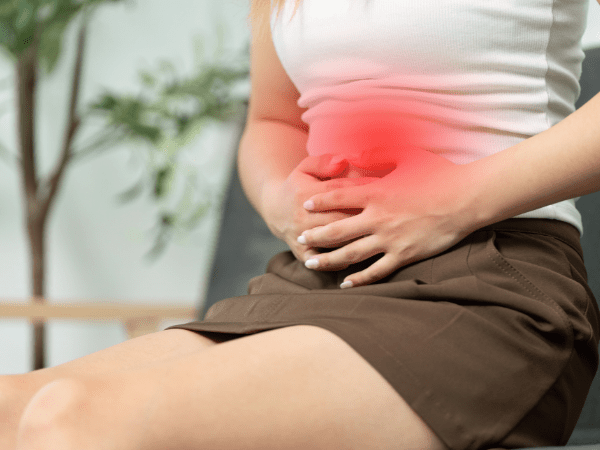
Common Causes of Abdominal Pain
Dr. Yogesh Bang diagnoses and treats various conditions that cause abdominal pain, including:
- Gastritis
- Acid Reflux (GERD)
- Peptic Ulcers
- Gallstones
- Appendicitis
- Liver Disease
- Pancreatitis
- Irritable Bowel Syndrome (IBS)
- Inflammatory Bowel Disease (IBD)
- Constipation
- Intestinal Obstruction
- Hernia
- Kidney Stones
- Food Poisoning
- Gastroenteritis
- Diverticular Disease
- Colorectal Disorders
Accurate diagnosis is the key to successful treatment.
Symptoms Associated with Abdominal Pain
Depending on the underlying condition, abdominal pain may occur with:
- Upper or lower abdominal pain
- Stomach cramps
- Bloating
- Nausea
- Vomiting
- Fever
- Loss of appetite
- Constipation
- Diarrhea
- Heartburn
- Acid reflux
- Blood in stools
- Black stools
- Jaundice
- Unexplained weight loss
Seek emergency medical care if abdominal pain is severe, sudden, or associated with vomiting blood, black stools, persistent fever, or difficulty breathing.
Diagnosis of Abdominal Pain
Dr. Yogesh Bang performs a detailed evaluation to identify the exact cause of abdominal pain.
Diagnostic investigations may include:
- Medical history
- Physical examination
- Blood tests
- Urine examination
- Stool examination
- Liver Function Tests
- Ultrasound Abdomen
- CT Scan
- MRI Scan
- Upper GI Endoscopy
- Colonoscopy
- Diagnostic Laparoscopy (when indicated)
These tests help determine the underlying cause and guide the most appropriate treatment.
Abdominal Pain Treatment Options
Treatment depends entirely on the underlying diagnosis.
Medical Management
Many abdominal conditions improve with medications.
Treatment may include:
- Pain-relieving medications
- Antibiotics for infections
- Acid-reducing medications
- Antispasmodic medicines
- Anti-nausea medications
- Treatment for constipation or diarrhea
- Management of liver or pancreatic disorders
Dietary and Lifestyle Modifications
Healthy habits support digestive health.
Recommendations include:
- Eat balanced meals.
- Avoid spicy and oily foods.
- Drink adequate water.
- Eat smaller, frequent meals.
- Avoid smoking.
- Limit alcohol intake.
- Exercise regularly.
- Manage stress effectively.
Endoscopic Procedures
Upper GI endoscopy and colonoscopy help diagnose and treat many digestive disorders causing abdominal pain.
Laparoscopic Surgery
Dr. Yogesh Bang performs advanced minimally invasive surgery for conditions such as:
- Appendicitis
- Gallstones
- Hernias
- Intestinal disorders
- Certain liver and colorectal conditions
Benefits include:
- Smaller incisions
- Less pain
- Faster recovery
- Reduced hospital stay
- Lower infection risk
Benefits of Early Treatment
Prompt treatment provides several important advantages.
These include:
- Faster pain relief
- Accurate diagnosis
- Prevention of complications
- Better digestive health
- Faster recovery
- Reduced need for emergency surgery
- Improved quality of life
- Better long-term outcomes
Therefore, persistent abdominal pain should never be ignored.
Recovery and Home Care
Recovery depends on the underlying cause of abdominal pain.
Patients should:
- Take medications as prescribed.
- Follow dietary advice.
- Stay hydrated.
- Avoid self-medication.
- Attend follow-up appointments.
- Maintain regular physical activity.
- Report worsening symptoms immediately.
Following these recommendations promotes faster recovery and better digestive health.
Possible Complications if Left Untreated
Ignoring persistent abdominal pain may lead to:
- Appendiceal rupture
- Gallbladder infection
- Intestinal obstruction
- Internal bleeding
- Perforated ulcers
- Severe infection
- Liver complications
- Delayed cancer diagnosis
Early medical care greatly reduces the risk of these complications.
Tips to Prevent Abdominal Pain
Simple lifestyle changes help maintain digestive health.
- Eat a balanced diet rich in fiber.
- Drink sufficient water every day.
- Exercise regularly.
- Avoid smoking and excessive alcohol.
- Maintain a healthy body weight.
- Practice good food hygiene.
- Avoid overeating.
- Manage stress effectively.
- Seek early treatment for digestive symptoms.