
Advanced Liver Disease Treatment by Dr. Yogesh Bang at LGI Hospital
What is Liver Disease?
Liver Conditions Treated
Dr. Yogesh Bang provides expert diagnosis and treatment for a wide range of liver disorders, including:
- Fatty Liver Disease (NAFLD)
- Alcohol-Related Liver Disease
- Hepatitis A
- Hepatitis B
- Hepatitis C
- Liver Cirrhosis
- Liver Abscess
- Liver Cysts
- Benign Liver Tumors
- Liver Cancer
- Liver Fibrosis
- Autoimmune Liver Disease
- Drug-Induced Liver Injury
- Obstructive Jaundice
- Portal Hypertension
Each patient receives an individualized treatment plan based on the underlying diagnosis and disease severity.
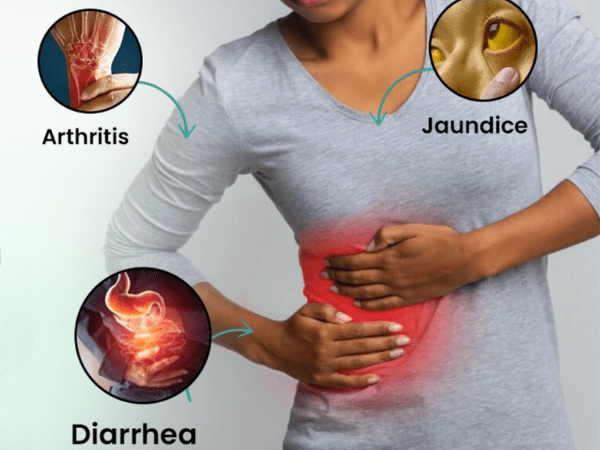
Symptoms of Liver Disease
Liver disease may produce different symptoms depending on its stage.
Common symptoms include:
- Yellowing of the skin and eyes (Jaundice)
- Fatigue
- Weakness
- Loss of appetite
- Nausea
- Vomiting
- Pain in the upper right abdomen
- Abdominal swelling
- Swelling in the legs
- Dark-colored urine
- Pale stools
- Itchy skin
- Unexplained weight loss
- Easy bruising or bleeding
- Confusion in advanced liver disease
Persistent symptoms should always be evaluated by a liver specialist.
Causes of Liver Disease
Several factors contribute to liver disorders.
Common causes include:
- Viral hepatitis
- Fatty liver disease
- Excessive alcohol consumption
- Obesity
- Diabetes
- High cholesterol
- Autoimmune diseases
- Certain medications
- Genetic liver disorders
- Toxin exposure
Identifying the underlying cause helps guide effective treatment.
Diagnosis of Liver Disease
Dr. Yogesh Bang performs a detailed evaluation to identify the cause and severity of liver disease.
Diagnostic investigations may include:
- Medical history
- Physical examination
- Liver Function Tests (LFTs)
- Complete Blood Count (CBC)
- Viral Hepatitis Profile
- Ultrasound Abdomen
- FibroScan (when indicated)
- CT Scan
- MRI Liver
- Tumor Marker Tests
- Liver Biopsy (selected cases)
- Endoscopy for portal hypertension (when required)
These tests provide accurate information for diagnosis and treatment planning.
Liver Disease Treatment Options
Treatment depends on the specific liver condition and its severity.
Medical Management
Many liver diseases improve with medications and regular monitoring.
Treatment may include:
- Antiviral medications
- Medicines to reduce liver inflammation
- Nutritional support
- Vitamin supplementation
- Medications for complications of cirrhosis
- Regular liver function monitoring
Lifestyle Modifications
Healthy lifestyle changes play a major role in liver recovery.
Recommendations include:
- Stop alcohol consumption completely.
- Maintain a healthy weight.
- Eat a balanced diet.
- Exercise regularly.
- Control diabetes and cholesterol.
- Avoid unnecessary medications.
- Stay hydrated.
Minimally Invasive Procedures
Some liver conditions require image-guided drainage or endoscopic procedures.
These may include treatment for:
- Liver abscess
- Bile duct obstruction
- Portal hypertension complications
Liver Surgery
Dr. Yogesh Bang performs advanced liver surgery for selected patients with:
- Liver tumors
- Liver cysts
- Liver abscesses
- Liver cancer
- Complex hepatobiliary disorders
Whenever appropriate, minimally invasive laparoscopic techniques are used to reduce pain and speed recovery.
Benefits of Early Liver Disease Treatment
Early treatment offers several important advantages.
These include:
- Better liver function
- Prevention of liver cirrhosis
- Lower risk of liver failure
- Reduced risk of liver cancer
- Faster symptom relief
- Improved quality of life
- Better long-term health
- Reduced need for major surgery
Therefore, regular liver check-ups are important for people at high risk.
Recovery and Long-Term Liver Care
Patients can protect their liver by following medical advice.
Recommended measures include:
- Take medications as prescribed.
- Avoid alcohol completely.
- Maintain a healthy body weight.
- Eat a nutritious diet.
- Exercise regularly.
- Get vaccinated against Hepatitis A and B when appropriate.
- Attend regular follow-up appointments.
- Monitor liver function periodically.
These habits help slow disease progression and improve liver health.
Possible Complications if Left Untreated
Untreated liver disease may lead to:
- Liver cirrhosis
- Liver failure
- Portal hypertension
- Ascites
- Internal bleeding
- Liver cancer
- Hepatic encephalopathy
- Permanent liver damage
Timely treatment greatly reduces the risk of these serious complications.
Tips to Keep Your Liver Healthy
Healthy lifestyle habits help protect your liver.
- Eat a balanced, low-fat diet.
- Exercise regularly.
- Maintain a healthy weight.
- Avoid excessive alcohol consumption.
- Get vaccinated against Hepatitis A and B.
- Avoid smoking.
- Do not self-medicate.
- Control diabetes and cholesterol.
- Schedule regular liver health check-ups.