

Endoscopy Specialist in Amravati | Advanced GI Evaluation by Dr. Yogesh Bang
Persistent digestive symptoms can affect your eating habits, comfort, sleep, and everyday routine. While occasional acidity or indigestion is common, symptoms that continue or repeatedly return may need a closer medical evaluation. An endoscopy can help a specialist examine the digestive tract directly and understand problems that may not be clear from symptoms alone. If you are searching for an Endoscopy Specialist in Amravati, Dr. Yogesh Bang at LGI Hospital provides specialized evaluation and endoscopic care for suitable gastrointestinal conditions. He assesses your symptoms, medical history, previous reports, and overall health before deciding whether an endoscopic examination is appropriate. Upper GI endoscopy can help examine the food pipe, stomach, and duodenum. It may assist in identifying ulcers, inflammation, bleeding, narrowing, and other abnormalities.
When Digestive Symptoms Need Specialist Evaluation ?
Not every digestive complaint requires an endoscopy. However, persistent or unexplained symptoms should receive appropriate attention.
You may benefit from specialist consultation if you experience ongoing heartburn, repeated indigestion, upper abdominal discomfort, swallowing difficulty, recurrent vomiting, unexplained weight loss, or signs of gastrointestinal bleeding.
Dr. Yogesh Bang reviews the complete clinical picture before recommending an investigation. This includes understanding how long the symptoms have continued, whether previous treatment helped, and whether other health conditions could be contributing to the problem.
This careful assessment helps determine whether endoscopy is useful or whether another diagnostic approach would be more appropriate.
What Is Upper GI Endoscopy?
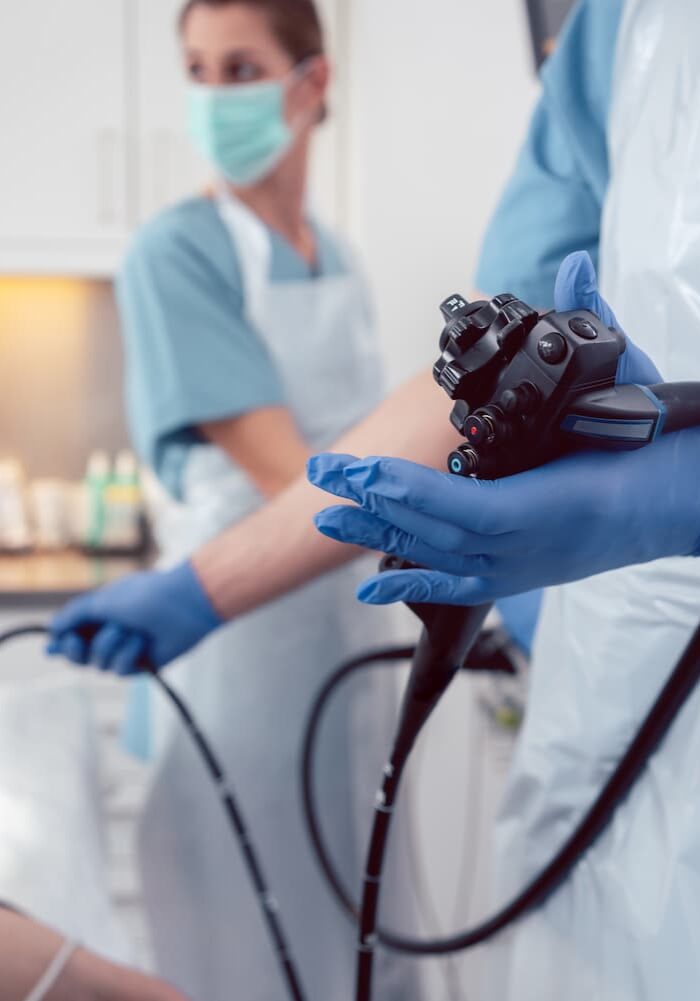
Upper gastrointestinal endoscopy is a diagnostic procedure that uses a thin, flexible instrument with a camera. The instrument allows the specialist to view the lining of the upper digestive tract.
The examination generally includes the:
▪ Oesophagus or food pipe
▪ Stomach
▪ Duodenum
The procedure can help identify visible changes such as inflammation, ulcers, bleeding, polyps, or narrowing. If an area requires closer examination, the doctor may collect a small tissue sample.
At LGI Hospital, the decision to perform endoscopy is based on the patient’s symptoms and clinical requirements.
Endoscopy for Persistent Acidity and GERD By Endoscopy Specialist in Amravati
Acidity and heartburn often improve with simple treatment. However, frequent or persistent symptoms may sometimes indicate gastroesophageal reflux disease or another upper digestive condition.
Repeated reflux can irritate the lining of the food pipe. Some patients may also experience chest discomfort, sour taste, regurgitation, or symptoms that become worse after meals or while lying down. When symptoms require further investigation, upper GI endoscopy can help the specialist examine the oesophagus and stomach. The findings may provide useful information for planning further treatment.
Investigating Gastritis and Stomach Ulcers By Endoscopy Specialist in Amravati
Gastritis involves inflammation of the stomach lining and may cause burning, nausea, bloating, or discomfort. Stomach and duodenal ulcers can produce similar symptoms and may sometimes lead to bleeding.
Endoscopy provides a direct view of the stomach and duodenum. Therefore, it can help identify visible ulcers, inflammation, and other abnormalities.
In selected cases, Dr. Yogesh Bang may recommend a biopsy. Laboratory examination of the tissue can provide additional information when visual examination alone is not sufficient.
Endoscopy for Difficulty in Swallowing By Endoscopy Specialist in Amravati
Difficulty swallowing, also called dysphagia, can occur for several reasons. Occasional discomfort may not indicate a serious problem, but persistent or worsening swallowing difficulty deserves medical assessment.
An upper GI endoscopy allows the specialist to examine the food pipe directly. It may help identify selected inflammatory, narrowing, or structural problems.
If swallowing difficulty occurs with unexplained weight loss, repeated vomiting, or other concerning symptoms, timely evaluation becomes especially important.
Finding the Cause of Upper Abdominal Discomfort By Endoscopy Specialist in Amravati
Upper abdominal pain can arise from different parts of the digestive system. The stomach, food pipe, gallbladder, pancreas, and other organs can produce similar symptoms.
For this reason, the location, duration, intensity, and pattern of pain matter. Your doctor may also ask about meals, bowel habits, vomiting, weight changes, medicines, and previous illnesses.
Based on these details, Dr. Yogesh Bang can determine whether an endoscopy or another investigation is appropriate.
Endoscopy for Suspected Digestive Bleeding By Endoscopy Specialist in Amravati
Bleeding from the upper digestive tract can sometimes appear as blood in vomit or black, tar-like stools. In other cases, blood loss may remain hidden and gradually contribute to weakness or anemia.
Such symptoms should receive timely medical attention.
Upper GI endoscopy can help locate a possible source of bleeding in the oesophagus, stomach, or duodenum. In selected situations, endoscopic techniques may also help control the bleeding. The appropriate treatment depends on the cause, severity, and overall condition of the patient.
Why an Endoscopic Biopsy May Be Required ?
During an endoscopy, the specialist may notice an area that requires further examination. A small tissue sample can then be collected and sent for laboratory analysis. A biopsy may help evaluate certain inflammatory, infectious, or abnormal tissue changes. It provides information that cannot always be obtained by looking at the digestive lining alone.
Importantly, a biopsy does not automatically mean that cancer is suspected. It is a diagnostic tool used when additional information is needed.
Therapeutic Endoscopy for Selected Conditions By Endoscopy Specialist in Amravati
Modern endoscopy can sometimes do more than identify a problem. Selected gastrointestinal conditions can also be treated through an endoscope.
Therapeutic endoscopy may provide a minimally invasive option in suitable cases. The exact procedure depends on the diagnosis and clinical findings.
However, not every condition can be treated this way. Some patients may need medicines, additional investigations, or surgery instead.
Dr. Yogesh Bang considers the safest and most suitable option for each individual case.
A Careful Diagnostic Process at LGI Hospital For Endoscopy Specialist in Amravati
A good endoscopy begins with the right clinical assessment. Before recommending the procedure, Dr. Yogesh Bang reviews your symptoms and relevant medical information.
The evaluation may include your:
▪ Current symptoms and their duration
▪ Previous digestive conditions
▪ Medicines and treatment history
▪ Earlier investigation reports
▪ Existing medical conditions
▪ Relevant lifestyle factors
Additional tests may be suggested when they can provide useful information. Depending on the situation, these may include blood investigations, liver function tests, ultrasound, CT, or MRI.
Why Choose Dr. Yogesh Bang for Endoscopy in Amravati?
Choosing the right specialist can make the diagnostic journey easier to understand. Dr. Yogesh Bang at LGI Hospital provides gastrointestinal and surgical gastroenterology care with a focus on appropriate diagnosis and individualized treatment planning.
His approach involves understanding the patient’s symptoms first and then selecting investigations according to the clinical situation.
Patients can also discuss their concerns, previous reports, treatment history, and questions before proceeding with an endoscopic examination.
Conclusion For Endoscopy Specialist in Amravati
Frequently Asked Questions (FAQ)
Dr. Yogesh Bang at LGI Hospital provides specialist gastrointestinal evaluation and endoscopy care for suitable patients.
It examines the oesophagus, stomach, and duodenum using a flexible camera.
It may be recommended for persistent acidity, swallowing difficulty, repeated vomiting, suspected ulcers, digestive bleeding, or other ongoing upper GI symptoms.
Yes. It provides a direct view of the stomach and duodenum and can help identify visible ulcers.
It can help identify certain changes caused by persistent reflux and may assist in further treatment planning.
No. A biopsy is taken only when the doctor believes tissue examination is clinically useful.
Yes. Upper GI endoscopy can help locate a possible bleeding source and may allow selected endoscopic treatment.
No. The need depends on symptoms, medical history, treatment response, and clinical findings.
Share information about your medicines, allergies, medical conditions, previous surgeries, and earlier digestive investigations.
The findings are reviewed and explained. Depending on the results, you may need medicines, follow-up, further tests, or additional treatment.
Book Your Consultation Today
If you have ongoing acidity, repeated indigestion, swallowing difficulty, upper abdominal discomfort, recurrent vomiting, or other persistent digestive symptoms, consider consulting a specialist.
Dr. Yogesh Bang at LGI Hospital can evaluate your symptoms and recommend suitable investigations based on your individual needs.
Contact LGI Hospital to confirm the current consultation schedule and appointment availability before planning your visit.