Colonoscopy Doctor in Amravati | Dr. Yogesh Bang at LGI Hospital
Bowel health can change for many reasons. Temporary constipation or loose motions may settle with simple care. However, repeated bleeding, lasting bowel changes, unexplained weight loss, or persistent abdominal discomfort may need a closer evaluation. A colonoscopy allows a specialist to examine the inner lining of the large intestine and identify problems that may not be visible through routine tests. If you are searching for a Colonoscopy Doctor in Amravati, Dr. Yogesh Bang at LGI Hospital provides specialized evaluation for colorectal and gastrointestinal concerns. He reviews your symptoms, medical history, previous reports, medicines, and overall health before deciding whether a colonoscopy is suitable.
A Closer Look at Your Large Intestine By Colonoscopy Doctor in Amravati
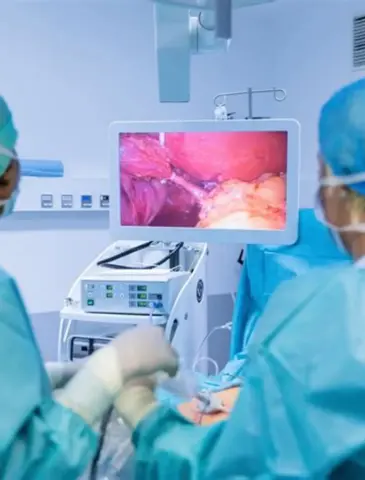
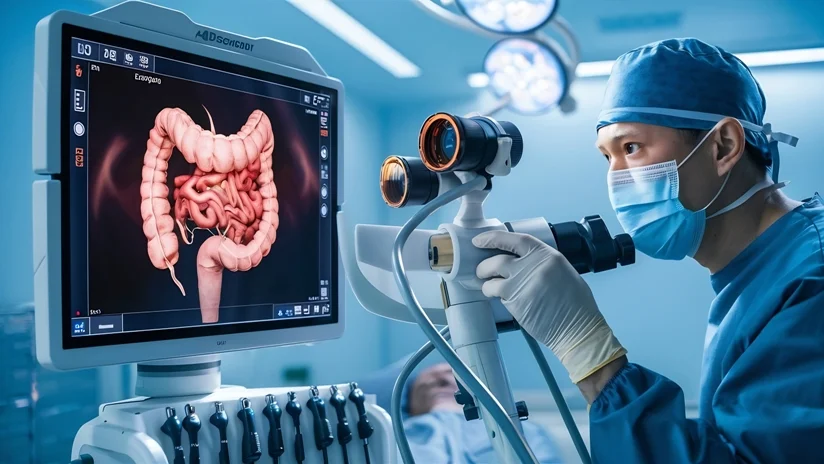
A colonoscopy uses a thin, flexible instrument with a camera to examine the colon and rectum. It gives the doctor a direct view of the intestinal lining and can reveal changes that may require further attention.
The examination can help assess:
▪ Rectum and large intestine
▪ Polyps and abnormal growths
▪ Inflammation and ulcers
▪ Possible sources of bleeding
▪ Changes linked with bowel disorders
If the doctor finds a suspicious area, a small tissue sample can be collected. Suitable polyps may also be removed during the procedure.
When Is Colonoscopy Worth Considering ?
A specialist may consider colonoscopy when symptoms remain unexplained or continue despite initial treatment. It can be particularly useful when bowel changes occur alongside other warning signs.
Common reasons include:
▪ Blood in the stool
▪ Persistent change in bowel habits
▪ Unexplained anemia
▪ Long-lasting diarrhea
▪ Concerning constipation
▪ Unexplained weight loss
Dr. Yogesh Bang evaluates the complete picture before recommending the next step.
Understanding Blood in the Stool By Colonoscopy Doctor in Amravati
Seeing blood in the stool can be worrying. Although hemorrhoids and anal fissures are common causes, bleeding can also come from other parts of the digestive tract.
The color and pattern of bleeding can provide clues, but they cannot always identify the exact source. Therefore, repeated or unexplained bleeding deserves medical assessment.
Colonoscopy can help examine the colon and rectum directly. It may identify polyps, inflammation, bleeding areas, or other abnormalities.
If bleeding continues, avoid assuming that it is caused by piles alone. A proper evaluation can provide greater clarity.
Persistent Changes in Bowel Habits By Colonoscopy Doctor in Amravati
Your usual bowel pattern can vary with diet, hydration, medicines, stress, and lifestyle. However, a significant change that continues for several weeks deserves attention.
This may involve frequent diarrhea, persistent constipation, unusually frequent bowel movements, or alternating bowel patterns.
Dr. Yogesh Bang considers the duration and nature of these changes along with other symptoms. Depending on the findings, he may recommend blood tests, stool tests, imaging, colonoscopy, or another suitable investigation.
Colonoscopy for Chronic Diarrhea By Colonoscopy Doctor in Amravati
Ongoing diarrhea can affect hydration, nutrition, energy, and daily activities. Infections, food intolerance, medicines, inflammatory bowel disease, and other intestinal problems can contribute to persistent diarrhea.
When the cause remains unclear, colonoscopy may provide useful information about the colon. It can show visible inflammation or other changes and may allow tissue samples to be taken.
A biopsy can sometimes identify microscopic changes that cannot be seen simply by looking at the intestinal lining.
Evaluating Long-Term Constipation By Colonoscopy Doctor in Amravati
Constipation often improves with adequate fluids, dietary fiber, physical activity, and appropriate treatment. However, constipation accompanied by warning signs may need further investigation.
A doctor may consider additional evaluation when constipation develops with blood in the stool, unexplained weight loss, anemia, persistent abdominal pain, or a major change from your usual bowel pattern.
Colonoscopy is not automatically required for every patient with constipation. Instead, Dr. Yogesh Bang determines whether the procedure can provide useful information based on the clinical assessment.
Detecting and Managing Colon Polyps By Colonoscopy Doctor in Amravati
Colon polyps are growths that develop on the inner surface of the large intestine. Many produce no symptoms, so they may only become noticeable during examination.
Some polyps have the potential to develop into colorectal cancer over time. Finding suitable polyps early can therefore support preventive care.
During colonoscopy, selected polyps can often be removed. The removed tissue may then undergo laboratory testing to determine its type and characteristics.
Colonoscopy and Colorectal Cancer Screening By Colonoscopy Doctor in Amravati
Colorectal cancer may develop gradually. Early disease does not always cause obvious symptoms. Screening can help identify certain precancerous changes or early abnormalities before they become more advanced.
The need for screening depends on individual factors such as age, family history, previous polyps, symptoms, and personal risk.
If you are unsure whether screening is appropriate for you, discuss your risk factors with Dr. Yogesh Bang. He can help determine the most suitable evaluation based on your health profile.
Understanding Inflammatory Bowel Disease
Inflammatory bowel diseases, including ulcerative colitis and Crohn’s disease, can cause repeated inflammation in the digestive tract.Patients may experience abdominal pain, persistent diarrhea, blood or mucus in stools, urgency, fatigue, or weight loss.
Colonoscopy can help assess the condition of the colon and rectum. Biopsies may also provide important information about the nature and extent of inflammation.
Treatment depends on the specific diagnosis, severity, and overall health of the patient.
A Personalized Approach Before Colonoscopy
A colonoscopy should have a clear clinical reason. Therefore, Dr. Yogesh Bang begins with a detailed consultation rather than immediately recommending a procedure.
He may review your current symptoms, previous gastrointestinal problems, medicines, allergies, earlier reports, and family history when relevant.
He also considers whether another investigation could answer the medical question more appropriately.
This careful approach helps patients understand why colonoscopy may be recommended and what information the procedure could provide.
Preparing for Your Colonoscopy
Good bowel preparation is essential for a clear examination. The colon needs to be sufficiently clean so the doctor can properly view its inner lining.
You will receive specific instructions about diet, fluids, bowel-cleansing medicines, and regular medications. Follow these instructions carefully.
Tell your doctor about blood thinners, diabetes medicines, allergies, and other important medical conditions before the procedure.
If you are unsure about any preparation step, ask the medical team before the examination.
Why Consult Dr. Yogesh Bang at LGI Hospital?
Frequently Asked Questions (FAQ)
Dr. Yogesh Bang at LGI Hospital provides specialist evaluation and colonoscopy care for suitable gastrointestinal and colorectal conditions.
A colonoscopy examines the inner lining of the rectum and large intestine using a flexible camera.
It may be recommended for unexplained bleeding, persistent bowel changes, chronic diarrhea, concerning constipation, anemia, polyps, or colorectal screening.
Yes. Colonoscopy can identify many types of polyps. Suitable polyps may also be removed during the procedure.
It can identify suspicious areas and many colorectal cancers. It can also detect certain polyps that may have cancerous potential.
Yes. It can help identify possible bleeding sources within the colon and rectum.
Yes. Colonoscopy, along with biopsy when required, can help evaluate inflammation associated with ulcerative colitis.
Your doctor will provide instructions about bowel preparation, diet, fluids, and medicines. Following them carefully helps improve the examination.
Yes. A small tissue sample may be collected when further laboratory evaluation is clinically required.
Yes. Suitable polyps can often be removed during the procedure and sent for laboratory analysis.