
Advanced Cancer Surgery by Dr. Yogesh Bang at LGI Hospital
What is Cancer Surgery?
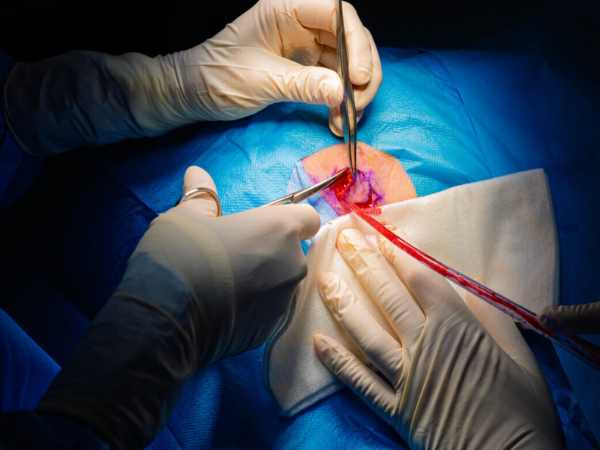
Types of Cancer Treated
Dr. Yogesh Bang specializes in the surgical treatment of cancers affecting the digestive system, including:
- Colon Cancer
- Rectal Cancer
- Stomach Cancer (Gastric Cancer)
- Esophageal Cancer
- Liver Cancer
- Pancreatic Cancer
- Gallbladder Cancer
- Bile Duct Cancer (Cholangiocarcinoma)
- Small Intestine Cancer
- Appendix Cancer
- Gastrointestinal Stromal Tumors (GIST)
- Neuroendocrine Tumors
- Peritoneal Surface Tumors
- Benign and Malignant Abdominal Tumors
Each treatment plan is developed through careful evaluation and evidence-based surgical planning.
Symptoms That May Indicate Cancer
Cancer symptoms vary depending on the affected organ. However, common warning signs include:
- Unexplained weight loss
- Persistent abdominal pain
- Blood in stools
- Black-colored stools
- Difficulty swallowing
- Persistent vomiting
- Loss of appetite
- Chronic indigestion
- Change in bowel habits
- Persistent constipation or diarrhea
- Fatigue
- Jaundice
- Abdominal swelling
- Lump in the abdomen
- Persistent anemia
If any of these symptoms continue for several weeks, consult a gastrointestinal cancer specialist without delay.
Causes and Risk Factors
Several factors increase the risk of gastrointestinal cancers.
Common risk factors include:
- Smoking
- Excessive alcohol consumption
- Obesity
- Chronic liver disease
- Hepatitis B and C infection
- Family history of cancer
- Colon polyps
- Inflammatory bowel disease
- Helicobacter pylori infection
- Poor dietary habits
- Diabetes
- Increasing age
Although not every risk factor can be controlled, maintaining a healthy lifestyle may reduce the overall risk.
Diagnosis Before Cancer Surgery
Accurate diagnosis is essential before planning cancer surgery.
Dr. Yogesh Bang may recommend:
- Physical examination
- Blood investigations
- Tumor marker tests
- Upper GI Endoscopy
- Colonoscopy
- Endoscopic Ultrasound (EUS)
- Ultrasound Abdomen
- CT Scan
- MRI Scan
- PET-CT Scan
- Biopsy
- Liver Function Tests
- Diagnostic Laparoscopy
These investigations help determine the stage of cancer and the most appropriate treatment strategy.
Types of Cancer Surgery
Curative Cancer Surgery
Curative surgery completely removes the cancer along with surrounding healthy tissue and nearby lymph nodes whenever possible.
Minimally Invasive (Laparoscopic) Cancer Surgery
Laparoscopic cancer surgery uses small incisions and specialized instruments.
Benefits include:
- Smaller scars
- Less pain
- Reduced blood loss
- Faster recovery
- Lower infection risk
- Shorter hospital stay
Palliative Cancer Surgery
Palliative surgery relieves symptoms such as bowel obstruction, bleeding, or pain when complete cancer removal is not possible.
Diagnostic Surgery
Diagnostic surgery helps obtain tissue samples (biopsy) to confirm the diagnosis.
Reconstructive Surgery
Reconstructive procedures restore normal digestive function after cancer removal whenever required.
Cancer Surgery for Gastrointestinal Cancers
Dr. Yogesh Bang performs advanced procedures including:
- Colon Cancer Surgery
- Rectal Cancer Surgery
- Liver Resection
- Pancreatic Surgery
- Stomach Cancer Surgery
- Esophageal Cancer Surgery
- Gallbladder Cancer Surgery
- Small Intestine Surgery
- Bile Duct Cancer Surgery
- Appendix Tumor Surgery
Each surgery is planned using modern imaging, multidisciplinary discussions, and international treatment protocols.
Benefits of Early Cancer Surgery
Early surgical treatment provides several advantages.
These include:
- Higher cure rates
- Better long-term survival
- Less extensive surgery
- Faster recovery
- Improved quality of life
- Lower complication rates
- Reduced risk of cancer spread
Therefore, early detection remains one of the most important factors in successful cancer treatment.
Recovery After Cancer Surgery
Recovery depends on the type of surgery and the patient’s overall health.
Patients generally receive:
- Comprehensive pain management
- Early mobilization
- Nutritional support
- Wound care
- Follow-up imaging
- Regular clinical reviews
- Rehabilitation guidance
- Long-term surveillance for recurrence
Following postoperative instructions helps optimize recovery and long-term outcomes.
Tips to Reduce Cancer Risk
While not all cancers are preventable, healthy habits can lower your risk.
- Eat a balanced, high-fiber diet.
- Maintain a healthy weight.
- Exercise regularly.
- Avoid tobacco products.
- Limit alcohol consumption.
- Get vaccinated against Hepatitis B.
- Undergo regular cancer screening when advised.
- Treat chronic digestive diseases promptly.
- Seek medical evaluation for persistent digestive symptoms.