
Get Expert Colon Cancer Surgery In Nagpur By Dr.Yogesh Bang At LGI Hospital Nagpur
Colon Cancer Surgery in Nagpur involves careful assessment, detailed treatment planning, and ongoing medical support. Colon cancer affects the large intestine, and the right treatment depends on the tumor’s location, size, stage, and whether the disease has spread to nearby tissues or other organs. At LGI Hospitals in Nagpur, Dr. Yogesh Bang reviews the patient’s symptoms, medical history, biopsy findings, and imaging reports to understand the condition before discussing suitable treatment options. When surgery is recommended, the procedure aims to remove the affected section of the colon along with nearby lymph nodes when clinically appropriate. The surgical technique depends on the patient’s health and the complexity of the disease. Treatment does not end with the operation. Patients and their families receive information about surgical preparation, possible risks, hospital care, dietary changes, and recovery expectations. Depending on the cancer stage and pathology results, additional treatment, such as chemotherapy, may also be discussed with the appropriate specialist. Follow-up appointments help monitor healing and guide ongoing care.
Why Choose Colon Cancer Surgery In Nagpur?
Understanding Colon Cancer
Common Symptoms Of Colon Cancer
Colon cancer may affect bowel function and general well-being in different ways.
▪ A noticeable change in bowel routine
▪ Constipation or diarrhea that continues
▪ Blood in the stool
▪ Recurrent stomach cramps or abdominal discomfort
▪ Weight loss without a clear reason
▪ Ongoing tiredness or weakness
▪ A persistent feeling that the bowel has not completely emptied after passing stool
▪ Changes in stool size or consistency
These symptoms do not always indicate colon cancer, but they should not be ignored if they persist. A doctor may recommend further tests, including colonoscopy and biopsy, to identify the cause and confirm a diagnosis. Early medical assessment can help guide appropriate care.
Advanced Colon Cancer Surgery Treatment
Benefits Of Colon Cancer Surgery In Nagpur
Timely evaluation for Colon Cancer Surgery in Nagpur helps patients understand their diagnosis and explore appropriate treatment options. At LGI Hospitals, Dr. Yogesh Bang assesses each case before discussing the role of surgery and the care needed afterward.
Key Benefits
▪ Detailed assessment of the cancer diagnosis
▪ Treatment planning based on individual needs
▪ Surgical options suited to the clinical findings
▪ Guidance before and after the procedure
▪ Support during post-operative recovery
▪ Coordination with other cancer specialists when needed
▪ Clear explanations of treatment and possible risks
▪ Respect for patient privacy and concerns
▪ Access to surgical assessment and hospital care
▪ Follow-up to monitor recovery and ongoing health
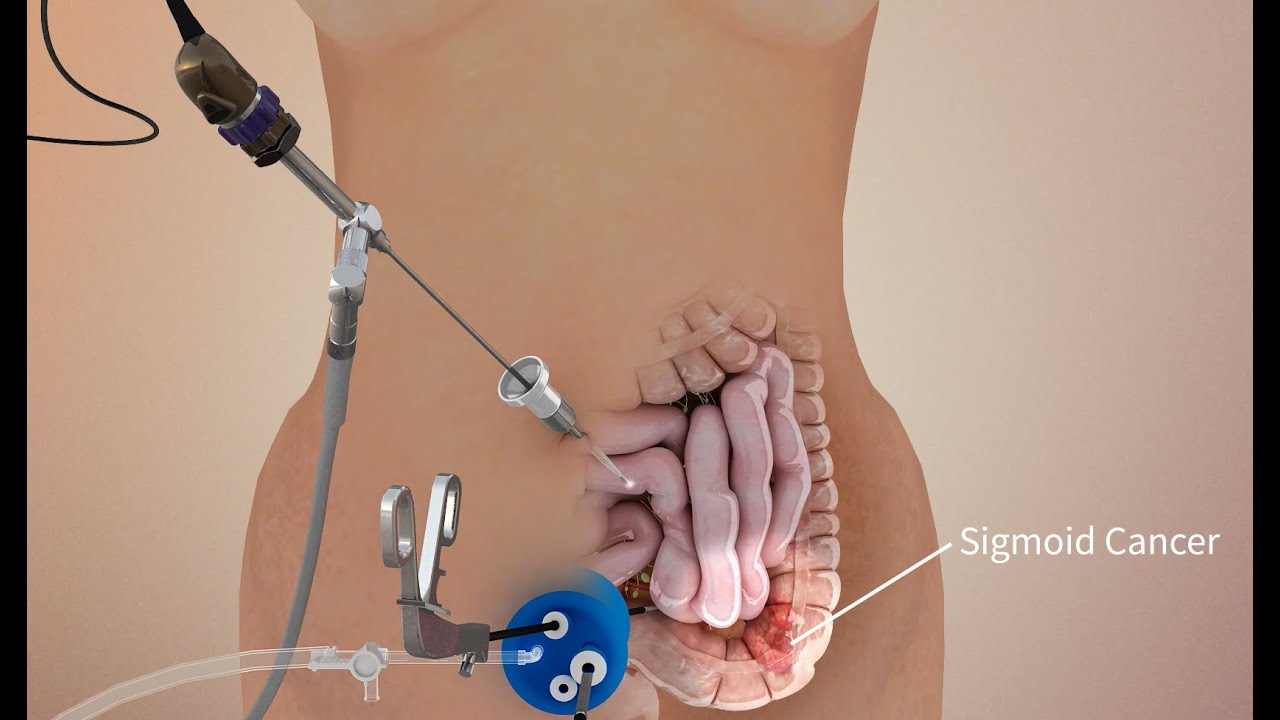
Minimally Invasive Colon Cancer Surgery
Diagnosis Before Colon Cancer Surgery
Accurate assessment is an important step when planning Colon Cancer Surgery in Nagpur. Dr. Yogesh Bang at LGI Hospitals reviews the patient’s medical history, colonoscopy and biopsy findings, blood test results, and relevant imaging reports. These details help establish the extent of the disease and determine whether surgery is appropriate. The consultation also gives patients an opportunity to understand the proposed treatment, alternative options, and possible risks. Since every case has different clinical needs, the surgical plan is tailored to the tumour’s location, cancer stage, and the patient’s overall health.
Recovery After Colon Cancer Surgery
Recovery following colon cancer surgery varies according to the extent of the operation, the patient’s general health, and the body’s response to treatment. Before discharge, patients receive instructions on wound care, prescribed medicines, suitable meals, and gradually resuming everyday activities. The surgical team also explains which symptoms require medical attention and when normal routines can be resumed. Follow-up appointments help assess healing, review pathology results, and discuss any additional treatment that may be needed. Regular communication with the healthcare team allows concerns to be addressed promptly and helps patients understand each stage of their recovery.
Importance Of Follow-Up Care After Surgery
After Colon Cancer Surgery in Nagpur, ongoing medical supervision helps assess healing and guide the next stages of care. Follow-up visits allow the doctor to review recovery, discuss pathology findings, and arrange further tests or treatment when necessary. Patients may also receive advice on nutrition, physical activity, bowel changes, and managing daily routines after surgery. Depending on the diagnosis, regular surveillance may be recommended to check for signs of recurrence or other health concerns. Keeping appointments and reporting new or persistent symptoms helps the medical team provide appropriate support throughout recovery.
Why Patients Trust Our Colon Cancer Surgery Care
Frequently Asked Questions
Colon cancer surgery removes cancerous areas from the colon to manage the disease.
Doctors recommend surgery based on cancer stage and patient health condition.
Yes, surgery is safe when performed by an experienced specialist.
Colon cancer can develop due to genetic factors, lifestyle habits, and other risk factors.
Yes, suitable patients may receive minimally invasive surgical options.