
Advanced Colon Surgery by Dr. Yogesh Bang at LGI Hospital
What is Colon Surgery?
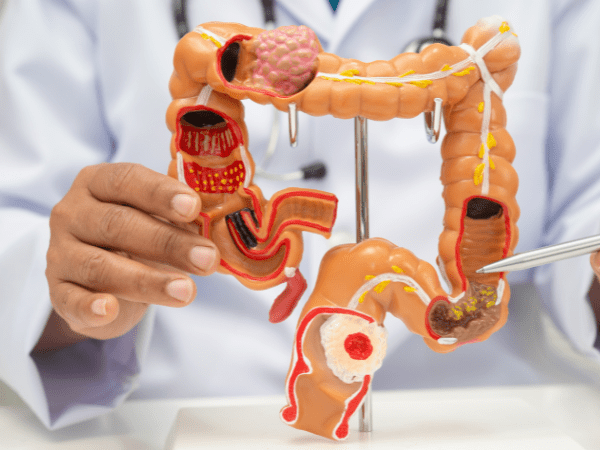
Conditions Treated with Colon Surgery
Dr. Yogesh Bang provides expert treatment for a wide range of colon disorders, including:
- Colon cancer
- Colon polyps
- Diverticular disease
- Diverticulitis
- Ulcerative colitis
- Crohn’s disease affecting the colon
- Large bowel obstruction
- Colon perforation
- Colon bleeding
- Benign colon tumors
- Colonic volvulus
- Intestinal ischemia
- Traumatic colon injuries
- Congenital colon disorders
- Fistulas involving the colon
Every patient receives a personalized treatment plan based on the disease stage, overall health, and individual needs.
Symptoms That May Require Colon Surgery
Several symptoms may indicate a serious colon condition.
Common warning signs include:
- Persistent abdominal pain
- Blood in stools
- Black-colored stools
- Chronic constipation
- Persistent diarrhea
- Change in bowel habits
- Unexplained weight loss
- Severe bloating
- Fatigue
- Loss of appetite
- Vomiting
- Abdominal swelling
- Iron deficiency anemia
- Fever with abdominal pain
If these symptoms continue for more than a few days, consult a gastrointestinal surgeon without delay.
Causes of Colon Diseases
Various medical conditions can affect the colon.
Common causes include:
- Colon cancer
- Inflammatory bowel disease
- Diverticular disease
- Colon polyps
- Chronic infections
- Intestinal obstruction
- Reduced blood supply
- Trauma
- Genetic disorders
- Poor dietary habits
- Obesity
- Smoking
- Family history of colorectal disease
Early diagnosis significantly improves treatment success.
Diagnosis Before Colon Surgery
Dr. Yogesh Bang performs a comprehensive evaluation before recommending surgery.
Diagnostic tests may include:
- Physical examination
- Blood investigations
- Stool examination
- Colonoscopy
- Biopsy
- CT Scan abdomen
- MRI Scan
- PET-CT (when required)
- Ultrasound abdomen
- Contrast imaging studies
- Diagnostic laparoscopy
These investigations help determine the exact diagnosis and guide the most effective treatment.
Types of Colon Surgery
Laparoscopic Colon Surgery
Laparoscopic colon surgery is performed through small incisions using a high-definition camera and specialized surgical instruments.
Benefits include:
- Smaller scars
- Less postoperative pain
- Reduced blood loss
- Faster recovery
- Lower infection risk
- Shorter hospital stay
- Earlier return to daily activities
Open Colon Surgery
Open surgery may be recommended for advanced disease, emergency cases, or complex abdominal conditions where minimally invasive surgery is not appropriate.
Colectomy
A colectomy involves removing part or all of the colon.
Types include:
- Right hemicolectomy
- Left hemicolectomy
- Sigmoid colectomy
- Total colectomy
- Subtotal colectomy
The type of surgery depends on the location and extent of the disease.
Colon Cancer Surgery
Colon cancer surgery removes the cancerous segment of the colon along with nearby lymph nodes to achieve the best possible outcomes.
Surgery for Diverticular Disease
Severe or recurrent diverticulitis may require removal of the affected portion of the colon to prevent repeated infections and complications.
Benefits of Laparoscopic Colon Surgery
Whenever appropriate, minimally invasive surgery offers significant advantages.
These benefits include:
- Less postoperative discomfort
- Faster bowel recovery
- Reduced hospital stay
- Minimal scarring
- Lower risk of wound infection
- Earlier return to work
- Better cosmetic results
- Improved overall patient comfort
Consequently, many patients recover more quickly than after conventional surgery.
Recovery After Colon Surgery
Recovery depends on the type of surgery and the patient’s health.
Patients can generally expect:
- Early walking after surgery
- Gradual progression from liquids to solid foods
- Pain management
- Regular wound care
- Monitoring of bowel function
- Follow-up appointments
- Return to normal activities over several weeks
Careful postoperative management helps ensure a smooth recovery.
Possible Risks and Complications
Although colon surgery is generally safe, some risks may occur.
Possible complications include:
- Bleeding
- Infection
- Leakage from bowel connection
- Bowel obstruction
- Blood clots
- Hernia
- Injury to nearby organs
- Temporary bowel dysfunction
- Anesthesia-related complications
Dr. Yogesh Bang follows advanced surgical protocols to minimize these risks.
Tips to Maintain Colon Health
Healthy habits help reduce the risk of colon diseases.
Follow these recommendations:
- Eat a high-fiber diet.
- Drink adequate water.
- Exercise regularly.
- Maintain a healthy weight.
- Avoid smoking.
- Limit alcohol intake.
- Undergo routine colonoscopy when advised.
- Avoid delaying treatment for digestive symptoms.
- Include fresh fruits and vegetables in your diet.