
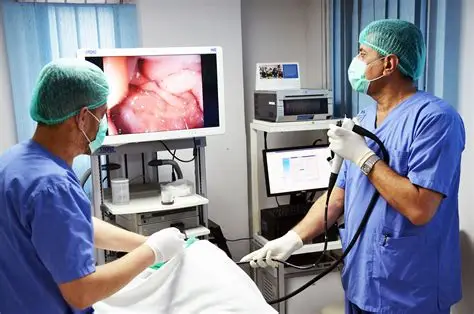
Colonoscopy Doctor in Bhandara | Advanced Colonoscopy Care at LGI Hospital
Focused Care for Colon and Rectal Health By Colonoscopy Doctor in Bhandara
The colon and rectum form an important part of the digestive system. They help absorb water and prepare waste for elimination. Therefore, problems affecting these areas can cause noticeable changes in bowel function. A Colon Specialist in Bhandara can evaluate symptoms that continue despite initial treatment. These symptoms may include bleeding, constipation, diarrhea, abdominal pain, or changes in stool patterns.
Dr. Yogesh Bang takes a detailed approach to evaluation. He looks at the complete clinical picture rather than focusing on one symptom alone.
Based on the findings, he can recommend suitable diagnostic tests, medicines, lifestyle guidance, endoscopic care, or surgical evaluation when necessary.
When Should You Consider Colonoscopy?
Colonoscopy is not required for every digestive complaint. However, your doctor may recommend it when symptoms, reports, or risk factors indicate the need for direct examination.
A specialist may consider colonoscopy for:
▪ Persistent rectal bleeding
▪ Blood in the stool
▪ Long-lasting bowel changes
▪ Chronic diarrhea
▪ Persistent constipation with warning signs
▪ Unexplained anemia
▪ Unexplained weight loss
▪ Ongoing abdominal discomfort
▪ Suspected colon polyps
▪ Selected colorectal conditions
Your doctor will first assess your condition. Therefore, the recommendation will depend on your individual medical needs.
Understanding Colonoscopy By Colonoscopy Doctor in Bhandara
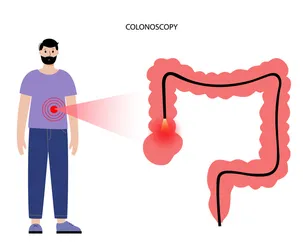
A colonoscopy uses a flexible instrument with a small camera. The specialist guides it through the rectum to examine the inner lining of the colon. The procedure allows the doctor to identify visible changes in the colon and rectum. These changes may include polyps, inflammation, bleeding sources, or abnormal tissue.
When appropriate, the specialist can collect a small tissue sample for laboratory examination. Suitable polyps may also be removed during the procedure. Therefore, colonoscopy can provide both diagnostic information and selected treatment during the same examination.
Colonoscopy for Rectal Bleeding In Bhandara
Rectal bleeding can occur because of several conditions. Hemorrhoids and anal problems can cause bleeding. However, polyps, inflammation, and other colorectal conditions can also contribute. Repeated or unexplained bleeding deserves proper evaluation. A Colonoscopy Specialist in Bhandara can assess whether the bleeding requires further investigation.
Dr. Yogesh Bang reviews the bleeding pattern along with your bowel habits and medical history. If colonoscopy is appropriate, it can help locate visible abnormalities within the colon and rectum. The findings can then guide further treatment.
Evaluating Unexplained Anemia By Dr.Yogesh Bang
Low hemoglobin can develop because of several causes. Sometimes, slow gastrointestinal blood loss can contribute to anemia without obvious bleeding.
If routine tests do not explain the cause, your doctor may recommend gastrointestinal evaluation.
Colonoscopy can help examine the lower digestive tract for possible bleeding sources, polyps, inflammation, or other abnormalities.
Dr. Yogesh Bang reviews your blood reports and medical history before recommending the procedure. He may also suggest additional tests when required.
Colonoscopy for Changes in Bowel Habits
A sudden or persistent change in bowel habits can have many causes. You may notice frequent diarrhea, constipation, alternating bowel patterns, or changes in stool appearance.
Temporary changes may not require extensive testing. However, persistent changes can require specialist evaluation. A Colon Specialist in Bhandara can review the duration, severity, and pattern of these symptoms.
Dr. Yogesh Bang may recommend colonoscopy when your symptoms or clinical findings indicate a need for direct colon examination.
What to Expect During Colonoscopy ?
Before the examination, the medical team reviews your medical information and preparation status. The specialist then uses a colonoscope to examine the colon and rectum. Sedation or other comfort measures may be used when appropriate. If the doctor finds a suitable polyp or abnormal area, they may collect a biopsy or remove a polyp when clinically appropriate. Afterward, you may spend some time in a recovery area, especially if sedation was used.
Recovery After Colonoscopy By Colonoscopy Doctor in Bhandara
Most patients can recover within a short period after the procedure. However, the recovery experience can vary. Temporary bloating, gas, or mild abdominal discomfort may occur. These effects can happen because of air introduced during the examination.
If you received sedation, you may need additional recovery time. Therefore, follow the medical team’s instructions carefully.
Dr. Yogesh Bang will explain the findings and discuss your next steps. If a biopsy was taken, the laboratory report may require additional time.
Personalized Colorectal Treatment By Colonoscopy Doctor in Bhandara
Treatment should match the cause of your symptoms. Therefore, Dr. Yogesh Bang considers your diagnosis, medical history, medicines, and overall health before creating a care plan.
Treatment may include:
▪ Medicines
▪ Dietary guidance
▪ Lifestyle changes
▪ Endoscopic procedures
▪ Regular monitoring
▪ Surgical treatment when required
The appropriate option depends on your condition. Your specialist will explain the recommended approach before treatment.
Why Choose LGI Hospital for Colonoscopy Care?
Choosing specialist care can help you receive appropriate evaluation and clear guidance. At LGI Hospital, Dr. Yogesh Bang provides personalized gastrointestinal and colorectal care.
▪ Specialist-Led Evaluation: Dr. Yogesh Bang reviews your complete medical history before recommending colonoscopy.
▪ Focused Colorectal Care: The team evaluates symptoms involving the colon and rectum.
▪ Appropriate Diagnostic Planning: The specialist recommends tests based on clinical need.
▪ Endoscopic Expertise: Suitable patients can receive diagnostic and selected therapeutic colonoscopy.
▪ Polyp Management: Suitable polyps can be removed during colonoscopy when clinically appropriate.
▪ Biopsy Support: The specialist can collect tissue samples when an area needs further evaluation.
▪ Personalized Guidance: Patients receive instructions for preparation, recovery, and follow-up.
▪ Comprehensive GI Support: Patients can also receive evaluation for stomach, liver, gallbladder, pancreas, and intestinal conditions.
Frequently Asked Questions (FAQ)
A Colonoscopy Specialist examines the colon and rectum using a colonoscope. The procedure can help identify polyps, inflammation, bleeding, and other abnormalities.
Your doctor may recommend colonoscopy for rectal bleeding, persistent bowel changes, unexplained anemia, chronic diarrhea, suspected polyps, or selected colorectal concerns.
Colonoscopy is generally well tolerated. Sedation or other comfort measures may be used when appropriate. Temporary bloating or mild discomfort can occur afterward.
Yes. Colonoscopy can identify suitable polyps. The specialist may also remove some polyps during the procedure.
Yes. The specialist can collect a small tissue sample when an area requires further laboratory evaluation.
You may need dietary restrictions and a prescribed bowel-cleansing preparation. Your doctor will provide specific instructions about food, fluids, fasting, and medicines.
The examination itself usually takes a relatively short time. However, preparation and recovery can make the complete visit longer.
You may experience temporary bloating or mild discomfort. If sedation is used, you may need additional recovery time.
Colonoscopy can identify polyps and abnormal tissue that may require further evaluation. It can also support colorectal cancer screening for suitable patients.
LGI Hospital provides specialist-led colonoscopy and gastrointestinal care under Dr. Yogesh Bang, with personalized evaluation, procedure planning, and follow-up guidance.
Book Your Consultation Today
Do you have persistent bowel changes, rectal bleeding, unexplained anemia, chronic constipation, diarrhea, or ongoing abdominal discomfort? Consult Dr. Yogesh Bang at LGI Hospital for a detailed colorectal evaluation. Bring your previous medical reports and current medicine details to your appointment.
The specialist will assess your condition and determine whether colonoscopy or another diagnostic test is suitable.
If you are looking for Colonoscopy Treatment in Bhandara, take a timely step toward better colorectal health with specialist-led care at LGI Hospital.