
Colonoscopy Doctor in Gondia | Advanced Colon Care at LGI Hospital
Understanding the Role of Colonoscopy in Digestive Care
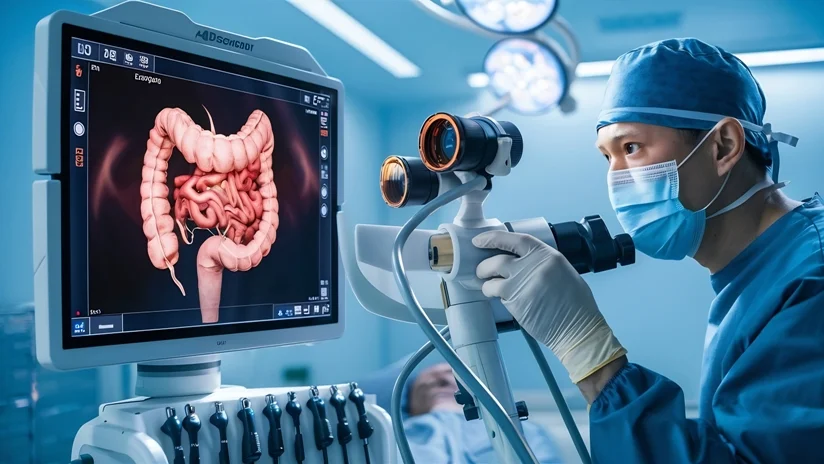
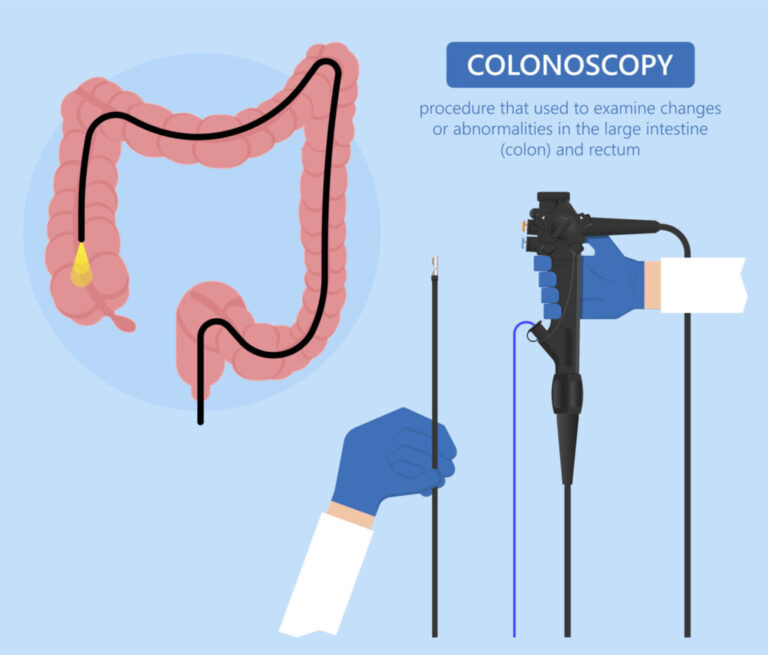
A colonoscopy is a procedure that allows a specialist to examine the inner lining of the colon and rectum. The doctor uses a thin, flexible instrument called a colonoscope. A small camera at its tip provides images of the large intestine on a monitor. This detailed view can help identify polyps, inflammation, bleeding, abnormal tissue, and other changes. If required, the specialist can also take a biopsy or remove a suitable polyp during the same procedure. Therefore, colonoscopy can support both diagnosis and selected treatments. However, colonoscopy is not required for every digestive complaint. A specialist first considers your symptoms, medical history, and clinical findings before recommending the procedure.
Specialist Colon Evaluation at LGI Hospital
Choosing the right specialist can make the diagnostic process more organized and effective. At LGI Hospital, Dr. Yogesh Bang provides specialized gastrointestinal and surgical gastroenterology care.He has qualifications including MBBS, MS in General Surgery, DNB in Surgical Gastroenterology, and FMAS. His specialist training supports the evaluation of a wide range of digestive and colorectal conditions. Before recommending colonoscopy, Dr. Yogesh Bang reviews your symptoms and previous medical information. He also considers your current medicines and relevant health conditions. This careful evaluation helps determine whether colonoscopy is appropriate or whether another test may provide better information.
Symptoms That May Call for Colonoscopy By Colonoscopy Doctor in Gondia
Your doctor may recommend colonoscopy when certain bowel symptoms persist or require further investigation. The decision depends on your age, medical history, symptoms, and clinical findings.
▪ Persistent abdominal discomfort
▪ Rectal bleeding
▪ Blood in the stool
▪ Long-lasting constipation
▪ Persistent diarrhea
▪ Sudden changes in bowel habits
▪ Unexplained weight loss
▪ Unexplained anemia
▪ Suspected colon polyps
▪ Suspected bowel inflammation
These symptoms can have many causes. Therefore, a proper specialist consultation is important before choosing an investigation.
What Can a Colonoscopy Help Detect?
Colonoscopy provides a direct view of the large intestine. This can help specialists identify conditions that may affect the colon and rectum.
The procedure may help evaluate:
▪ Colon polyps
▪ Inflammation of the bowel
▪ Sources of rectal bleeding
▪ Abnormal tissue
▪ Certain ulcers
▪ Narrowing within the colon
▪ Diverticular changes
▪ Other colorectal abnormalities
The findings can help the doctor decide whether you need medicines, further testing, endoscopic treatment, or regular monitoring.
Identifying Colon Polyps Early With Colonoscopy Doctor in Gondia
Colon polyps are small growths that develop on the inner surface of the large intestine. Many polyps do not cause noticeable symptoms. However, some may cause bleeding or changes in bowel habits.
During colonoscopy, the specialist can examine the colon for these growths. If a suitable polyp is found, the doctor may remove it during the procedure. The tissue can then undergo laboratory examination.
Polyp removal can help prevent certain growths from remaining in the colon. However, the need for future monitoring depends on the type, size, number, and other features of the polyp.
Investigating Rectal Bleeding By Colonoscopy Doctor in Gondia
Rectal bleeding can occur for several reasons. Hemorrhoids, polyps, inflammation, diverticular disease, and other colorectal problems may cause bleeding. Repeated bleeding should receive proper medical attention. A colonoscopy can allow the specialist to examine the rectum and colon directly when clinically appropriate.
The doctor may identify visible bleeding points or other abnormalities. In selected cases, endoscopic treatment may also help manage certain bleeding sources.Do not assume that every case of rectal bleeding is caused by piles. A specialist can help identify the actual cause and recommend suitable care.
Evaluating Long-Term Bowel Changes By Colonoscopy Doctor in Gondia
Changes in bowel habits can happen due to diet, infection, medicines, stress, or other temporary factors. However, persistent changes may need further evaluation. Ongoing constipation, frequent diarrhea, or alternating bowel patterns can sometimes indicate an underlying digestive condition. Depending on your symptoms, your doctor may recommend blood tests, stool tests, imaging, or colonoscopy.
Colonoscopy can help examine the inner lining of the large intestine for inflammation, polyps, or other visible changes.
The right test depends on your individual symptoms. Therefore, specialist evaluation should come before any invasive procedure.
Colonoscopy for Persistent Abdominal Pain By Colonoscopy Doctor in Gondia
Abdominal pain has many possible causes. Some problems may involve the stomach or small intestine, while others can affect the colon. When abdominal pain continues or occurs with bowel changes, bleeding, weight loss, or other warning signs, further evaluation may be necessary.
A colonoscopy can help examine the large intestine for inflammation, polyps, ulcers, or other visible abnormalities. However, it may not be suitable for every type of abdominal pain.Dr. Yogesh Bang reviews the complete clinical picture before recommending colonoscopy. This helps ensure that the chosen investigation matches the suspected condition.
Understanding Colon Inflammation By Colonoscopy Doctor in Gondia
Inflammation of the colon can cause symptoms such as diarrhea, abdominal pain, urgency, and rectal bleeding. Conditions such as ulcerative colitis and Crohn’s disease may require long-term specialist management. Colonoscopy allows the doctor to examine the colon lining and assess visible inflammatory changes. The specialist may also collect tissue samples during the procedure.
Biopsy results can provide additional information about the condition. Based on the findings, the doctor can recommend medicines, dietary guidance, further investigations, and follow-up care. Regular monitoring may also be needed for patients with certain long-term bowel conditions.
Why Choose LGI Hospital for Colonoscopy?
Choosing the right hospital can support better preparation, procedure planning, and follow-up care. LGI Hospital provides specialist-led gastrointestinal care under Dr. Yogesh Bang.
▪ Specialist Expertise: Dr. Yogesh Bang has specialized training in surgical gastroenterology.
▪ Focused Colon Care: Colonoscopy helps provide a detailed assessment of the large intestine.
▪ Personalized Assessment: The doctor reviews symptoms, reports, medicines, and medical history before recommending the procedure.
▪ Clear Guidance: Patients receive instructions about preparation, recovery, and follow-up.
▪ Comprehensive Care: LGI Hospital provides evaluation for a wide range of gastrointestinal and colorectal conditions.
▪ Gondia-Focused Care: Patients looking for a Colonoscopy Doctor in Gondia can seek specialist gastrointestinal care at LGI Hospital.
Frequently Asked Questions (FAQ)
A Colonoscopy Doctor examines the colon and rectum to detect polyps, inflammation, bleeding, and other abnormalities. Dr. Yogesh Bang at LGI Hospital provides specialist evaluation.
Colonoscopy may be advised for rectal bleeding, persistent abdominal pain, bowel changes, chronic diarrhea, or unexplained anemia.
Colonoscopy is generally well tolerated. Sedation may be used when appropriate to improve comfort.
You may need dietary restrictions, bowel preparation, and fasting. Your doctor will provide specific instructions.
Yes. Suitable polyps can often be removed during the procedure and sent for laboratory testing.
Yes. The specialist can collect a small tissue sample when further evaluation is required.
The examination is usually brief. Preparation and recovery may require additional time.
Mild bloating or discomfort may occur. Your doctor will explain the findings and follow-up plan.
Colonoscopy can identify polyps and abnormal tissue and may support colorectal cancer screening.
LGI Hospital provides specialist-led colonoscopy care under Dr. Yogesh Bang, with personalized evaluation and follow-up.
Book Your Consultation Today
Do not ignore persistent bowel symptoms or unexplained changes in your digestive health. Rectal bleeding, abdominal pain, chronic constipation, ongoing diarrhea, or unexplained weight loss may require specialist evaluation. Dr. Yogesh Bang at LGI Hospital can assess your condition and determine whether colonoscopy or another diagnostic test is appropriate.
Bring your previous medical reports and current medicine details to your consultation. These records can help the specialist understand your medical history and plan suitable care. If you are searching for a Colonoscopy Doctor in Gondia, consult LGI Hospital for personalized gastrointestinal and colorectal care.
Take a timely step toward better colon and digestive health.