
Colonoscopy Doctor in Mandla for Advanced Colorectal Care – Dr. Yogesh Bang
If you are searching for a trusted Colonoscopy Doctor in Mandla, Dr. Yogesh Bang provides specialized gastrointestinal and colorectal care with expertise in surgical gastroenterology, advanced endoscopy, and minimally invasive procedures. A colonoscopy allows a specialist to examine the inner lining of the large intestine and identify abnormalities that may cause persistent digestive symptoms. Therefore, timely consultation can help doctors diagnose colorectal conditions accurately and recommend appropriate treatment.
Dr. Yogesh Bang holds MBBS, MS General Surgery, and DNB Surgical Gastroenterology qualifications. His professional profile also identifies him as a laparoscopic and endoscopic GI surgeon with expertise in hepatopancreatobiliary surgery.
People often consider colonoscopy when they experience persistent changes in bowel habits, blood in the stool, unexplained weight loss, chronic constipation, recurrent diarrhea, or ongoing abdominal discomfort. However, these symptoms can have several possible causes. For this reason, a specialist evaluation helps determine whether colonoscopy or another investigation is appropriate.
At Matruchhaya Surgical Gastroenterology Clinic, Dr. Yogesh Bang follows a patient-focused approach. First, he reviews the patient’s symptoms and medical history. Next, he evaluates previous reports and medications. After that, he determines whether colonoscopy can provide useful diagnostic information. As a result, patients receive a treatment plan based on their individual condition rather than a one-size-fits-all approach.
Why Consult a Colonoscopy Doctor in Mandla?
Colorectal symptoms can sometimes appear mild during their early stages. Nevertheless, persistent symptoms require proper medical evaluation because conditions involving the colon may gradually affect digestion, nutrition, and quality of life.
A Colonoscopy Doctor in Mandla can evaluate the large intestine and identify abnormalities such as inflammation, ulcers, polyps, bleeding sources, and other structural changes. Furthermore, colonoscopy can help doctors investigate unexplained symptoms when routine treatment does not provide adequate relief.
You may need specialist evaluation if you experience:
- Blood in the stool
- Persistent constipation
- Recurrent diarrhea
- Sudden changes in bowel habits
- Persistent abdominal pain
- Unexplained weight loss
- Recurrent bloating
- Unexplained iron-deficiency anemia
- Persistent changes in stool appearance
- A family history of colorectal disease
Importantly, these symptoms do not always indicate a serious disease. Instead, they require proper evaluation so that the doctor can identify the actual cause and recommend suitable care.
Colonoscopy Services by Dr. Yogesh Bang
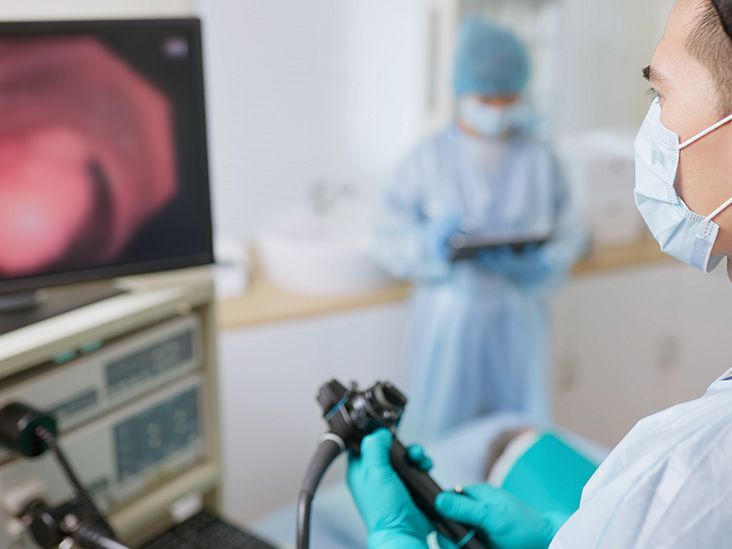
A colonoscopy provides direct visualization of the colon and rectum. During the procedure, the doctor uses a flexible camera-equipped instrument to examine the intestinal lining. Depending on the findings, the doctor may also take a small tissue sample for laboratory examination or remove certain polyps when clinically appropriate.
Dr. Yogesh Bang’s training in Surgical Gastroenterology supports comprehensive management of gastrointestinal and colorectal conditions. His published colorectal surgery information also describes evaluation and treatment of both benign and malignant colorectal diseases, including minimally invasive approaches.
His approach focuses on:
- Detailed pre-procedure evaluation
- Appropriate colonoscopy planning
- Identification of colorectal abnormalities
- Biopsy when medically indicated
- Polyp evaluation and management
- Investigation of unexplained gastrointestinal bleeding
- Evaluation of persistent bowel changes
- Follow-up and treatment planning
Moreover, Dr. Bang explains the procedure and preparation requirements clearly so patients understand what to expect.
Conditions a Colonoscopy Doctor in Mandla Can Evaluate
Several gastrointestinal conditions can affect the colon and rectum. Although symptoms may overlap, colonoscopy can provide valuable information when a doctor suspects a colorectal disorder.
Colon Polyps
Colon polyps are abnormal growths that develop on the inner lining of the colon. Some polyps remain harmless, while others may develop into precancerous lesions. Therefore, identifying and managing appropriate polyps can form an important part of colorectal healthcare.
Inflammatory Bowel Disease
Conditions such as ulcerative colitis and Crohn’s disease can cause chronic inflammation within the digestive tract. Consequently, patients may experience diarrhea, abdominal pain, blood in the stool, and changes in bowel habits. Colonoscopy can help doctors assess inflammation and guide further treatment.
Gastrointestinal Bleeding
Blood in the stool requires medical evaluation, especially when the cause remains unclear. In such situations, colonoscopy can help locate bleeding within the lower gastrointestinal tract and assist the doctor in deciding the next treatment step.
Chronic Bowel Problems
Persistent constipation, recurrent diarrhea, and unexplained changes in bowel habits can interfere with everyday life. When these symptoms continue despite initial treatment, a specialist may recommend further evaluation, including colonoscopy when appropriate.
Colorectal Cancer Evaluation
Colonoscopy can help doctors identify suspicious growths and other abnormalities within the colon. If the doctor finds a suspicious area, they may take a biopsy for further laboratory assessment. As a result, colonoscopy can play an important role in investigating suspected colorectal cancer.
When Should You Consider a Colonoscopy?
Not every digestive symptom requires colonoscopy. Instead, a doctor considers your age, symptoms, medical history, family history, previous test results, and overall health before recommending the procedure.
You should discuss colonoscopy with a specialist if you have persistent rectal bleeding, unexplained anemia, unexplained weight loss, significant changes in bowel habits, or symptoms that continue despite appropriate initial treatment.
Additionally, people with certain personal or family histories of colorectal disease may require regular screening according to their doctor’s recommendations. Therefore, discussing your individual risk factors with a qualified specialist remains important.
How a Colonoscopy Helps Diagnose Digestive Problems
A colonoscopy provides a direct view of the colon rather than relying only on symptoms or external imaging. As a result, it can help doctors identify abnormalities that may not appear through routine examinations.
During evaluation, the doctor may look for:
- Inflammation
- Ulcers
- Polyps
- Abnormal tissue growth
- Sources of bleeding
- Narrowing of the intestine
- Other changes in the colon lining
Furthermore, doctors can sometimes perform additional procedures during the same examination, depending on the findings and clinical indication. This approach can reduce the need for separate diagnostic procedures.
Preparing for Colonoscopy
Proper preparation plays an important role in achieving a clear examination. Therefore, patients should follow all instructions provided by their doctor before the procedure.
Preparation commonly involves dietary restrictions and bowel-cleansing medication prescribed according to the doctor’s instructions. In addition, patients should inform the doctor about current medications, allergies, previous medical conditions, and any blood-thinning medicines they take.
Most importantly, patients should follow the preparation instructions carefully because inadequate bowel preparation can make it difficult to examine the colon properly and may require the procedure to be repeated.
Personalized Care Before and After Colonoscopy
Dr. Yogesh Bang evaluates each patient individually before recommending colonoscopy. First, he reviews the symptoms and medical history. Next, he considers previous investigations and treatment. Then, he determines whether colonoscopy can provide useful information.
After the procedure, he discusses the findings and explains the next steps. If the examination identifies a condition requiring treatment, he develops an appropriate management plan. Similarly, if the findings appear normal, he can guide the patient regarding further evaluation or lifestyle measures based on the symptoms.
As a result, patients receive continuity of care instead of treating colonoscopy as an isolated procedure
Why Choose Dr. Yogesh Bang for Gastrointestinal and Colorectal Care?
Dr. Yogesh Bang has qualifications in MBBS, MS General Surgery, and DNB Surgical Gastroenterology. His professional profile lists advanced training at the Asian Institute of Gastroenterology, Hyderabad, along with expertise in laparoscopic and endoscopic gastrointestinal surgery and hepatopancreatobiliary surgery.
His published colorectal surgery information also highlights management of benign and malignant colorectal diseases and minimally invasive surgical approaches.
Patients seeking colorectal evaluation can benefit from an approach that combines:
- Surgical Gastroenterology expertise
- Endoscopic experience
- Colorectal disease evaluation
- Minimally invasive treatment options
- Detailed diagnosis
- Personalized treatment planning
- Preventive digestive health guidance
- Follow-up care
Ultimately, the goal remains accurate diagnosis, appropriate treatment, and better long-term gastrointestinal health.
Benefits of Consulting a Colonoscopy Doctor in Mandla
Choosing an experienced Colonoscopy Doctor in Mandla can make the diagnostic process more organized and effective. First, a specialist evaluates your symptoms and medical history to determine whether colonoscopy is appropriate. Next, the doctor carefully examines the colon for abnormalities that may explain persistent digestive problems. Furthermore, colonoscopy can help identify conditions at an earlier stage, allowing patients to receive timely treatment.
A specialist evaluation can help with:
- Identifying unexplained intestinal bleeding
- Detecting colon polyps and abnormal growths
- Evaluating persistent bowel changes
- Investigating chronic abdominal symptoms
- Assessing intestinal inflammation
- Guiding biopsy or further investigations when required
- Planning appropriate treatment after diagnosis
Moreover, timely evaluation can provide reassurance when serious disease is not present and help identify the right treatment for ongoing symptoms. Therefore, patients with persistent or unexplained colorectal symptoms should seek professional medical advice instead of relying on self-medication.
Dr. Yogesh Bang combines his Surgical Gastroenterology expertise with a comprehensive approach to gastrointestinal and colorectal conditions. As a result, patients can receive evaluation, diagnosis, treatment planning, and follow-up care based on their individual needs.
Frequently Asked Questions About Colonoscopy
A colonoscopy examines the inner lining of the large intestine and rectum. It can help identify abnormalities such as polyps, inflammation, ulcers, bleeding sources, and other colorectal conditions.
No. Instead, a doctor considers the nature and duration of symptoms, medical history, examination findings, and previous investigations before recommending colonoscopy.
Yes. Colonoscopy allows the doctor to directly examine the colon for polyps and other abnormal growths. When appropriate, the doctor can also remove certain polyps or take tissue samples for further examination.
Your doctor will provide specific preparation instructions. Generally, preparation involves dietary restrictions and bowel cleansing so the doctor can obtain a clear view of the colon.
Yes. Although several conditions can cause blood in the stool, persistent or unexplained bleeding requires medical evaluation. A specialist can determine whether colonoscopy or another investigation is appropriate.
Consult Dr. Yogesh Bang for Colonoscopy and Colorectal Care
If you have persistent bowel changes, blood in the stool, unexplained abdominal symptoms, or other colorectal concerns, consider consulting an experienced Colonoscopy Doctor in Mandla for proper evaluation. Rather than continuing self-medication, a specialist can identify the possible cause and recommend appropriate investigations.
Dr. Yogesh Bang provides gastrointestinal and colorectal care backed by qualifications in Surgical Gastroenterology, along with expertise in endoscopic and minimally invasive gastrointestinal procedures.
Therefore, if your doctor recommends colonoscopy, discuss the procedure, preparation, potential findings, and treatment options with Dr. Yogesh Bang to understand the most appropriate approach for your condition.
Schedule your consultation today and receive expert care from one of the trusted Colonoscopy Doctor in Mandla for a healthier digestive system.