
Advanced Constipation Treatment by Dr. Yogesh Bang at LGI Hospital
What is Constipation?
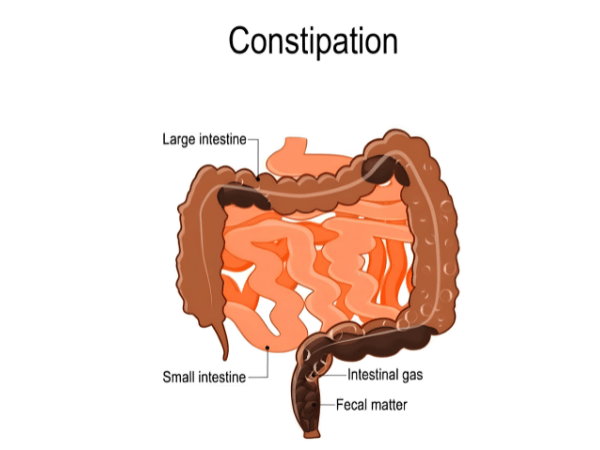
Common Symptoms of Constipation
Constipation symptoms may vary depending on the underlying cause.
Common symptoms include:
- Fewer than three bowel movements per week
- Hard or dry stools
- Straining during bowel movements
- Feeling of incomplete bowel emptying
- Abdominal pain
- Bloating
- Excessive gas
- Rectal discomfort
- Pain during bowel movements
- Loss of appetite
- Nausea
- Fatigue caused by persistent constipation
If constipation is associated with rectal bleeding, severe pain, unexplained weight loss, or persistent abdominal swelling, seek medical attention immediately.
Causes of Constipation
Several factors can contribute to constipation.
Common causes include:
- Low-fiber diet
- Inadequate water intake
- Lack of physical activity
- Ignoring the urge to pass stools
- Certain medications
- Pregnancy
- Irritable Bowel Syndrome (IBS)
- Hypothyroidism
- Diabetes
- Colon polyps
- Colorectal cancer
- Neurological disorders
- Aging
Identifying the underlying cause is essential for effective treatment.
Diagnosis of Constipation
Dr. Yogesh Bang performs a detailed evaluation to identify the exact cause of constipation.
Diagnostic investigations may include:
- Medical history
- Physical examination
- Digital rectal examination
- Blood tests
- Thyroid function tests
- Colonoscopy
- Sigmoidoscopy
- Abdominal X-ray
- CT Scan
- Colonic transit study (selected patients)
- Anorectal manometry (when indicated)
These investigations help diagnose constipation accurately and rule out serious colorectal diseases.
Constipation Treatment Options
Treatment depends on the underlying cause and severity of symptoms.
Lifestyle Modifications
Many patients improve with healthy lifestyle changes.
Recommendations include:
- Increase dietary fiber intake.
- Drink at least 2–3 liters of water daily.
- Exercise regularly.
- Establish regular bowel habits.
- Avoid delaying bowel movements.
- Reduce processed food intake.
Medications
Your doctor may prescribe:
- Bulk-forming fiber supplements
- Osmotic laxatives
- Stool softeners
- Stimulant laxatives (when appropriate)
- Prescription medications for chronic constipation
These medications should only be used under medical supervision.
Colonoscopy
Patients with persistent constipation, rectal bleeding, anemia, unexplained weight loss, or a family history of colorectal cancer may require a colonoscopy to identify the underlying cause.
Surgical Treatment
Although uncommon, surgery may be recommended for selected conditions such as:
- Severe colorectal obstruction
- Rectal prolapse
- Certain colorectal cancers
- Structural abnormalities of the colon
Dr. Yogesh Bang carefully evaluates every patient before recommending surgical treatment.
Benefits of Early Constipation Treatment
Timely treatment provides several important benefits.
These include:
- Regular bowel movements
- Reduced abdominal discomfort
- Prevention of hemorrhoids
- Lower risk of anal fissures
- Improved digestive health
- Better appetite
- Increased energy levels
- Enhanced quality of life
Therefore, seeking treatment early helps prevent chronic digestive problems.
Recovery and Lifestyle Tips
Patients can improve bowel health by following these recommendations.
- Eat plenty of fruits and vegetables.
- Include whole grains in your diet.
- Stay physically active.
- Drink enough water throughout the day.
- Avoid excessive processed foods.
- Respond promptly to the urge to pass stools.
- Manage stress effectively.
- Follow prescribed medications.
- Attend regular follow-up visits if symptoms persist.
These habits promote healthy digestion and reduce recurrence.
Possible Complications if Left Untreated
Untreated constipation may lead to:
- Hemorrhoids (Piles)
- Anal fissures
- Rectal prolapse
- Fecal impaction
- Chronic abdominal pain
- Bowel obstruction in severe cases
- Reduced quality of life
Early treatment significantly lowers the risk of these complications.
Tips to Prevent Constipation
Healthy daily habits help maintain regular bowel movements.
- Eat a high-fiber diet.
- Drink adequate water every day.
- Exercise for at least 30 minutes most days.
- Avoid delaying bowel movements.
- Limit processed and fast foods.
- Maintain a healthy body weight.
- Reduce stress.
- Avoid unnecessary laxative use.
- Schedule regular digestive health check-ups.