Endoscopy Specialist in Gadchiroli | Dr. Yogesh Bang
Endoscopy is an important diagnostic and therapeutic procedure used to examine different parts of the digestive tract when symptoms persist, recur, or require closer medical evaluation. It allows a specialist to view the gastrointestinal tract directly and, when clinically necessary, collect tissue samples or perform selected treatments during the procedure. Dr. Yogesh Bang at LGI Hospitals can evaluate your symptoms, review previous medical reports, understand your medical history, and determine whether endoscopy or another diagnostic approach is appropriate for your condition. unexplained vomiting, gastrointestinal bleeding, changes in bowel habits, or other digestive concerns. However, not every digestive symptom requires an endoscopy.
What Is Endoscopy?
Depending on the type of endoscopy and the patient’s condition, the procedure can support both diagnosis and selected treatments.
• Direct Examination: Provides a clear view of the oesophagus, stomach, small intestine, or colon, depending on the procedure.
• Abnormality Detection: Helps identify selected ulcers, inflammation, bleeding, lesions, or other changes.
• Tissue Sampling: A biopsy may be taken when laboratory examination is clinically required.
• Selected Treatments: Certain endoscopic procedures can treat bleeding, remove selected lesions, or manage specific digestive problems.
• Targeted Evaluation: Helps doctors make more informed decisions when symptoms cannot be explained through routine assessment alone.
When May Endoscopy Be Needed?
• Persistent Acidity or Reflux: Ongoing symptoms may need further evaluation.
• Difficulty Swallowing: Helps investigate persistent swallowing problems.
• Suspected Ulcers: Can directly examine the stomach and duodenum.
• Gastrointestinal Bleeding: May help identify the source of bleeding.
• Persistent Vomiting: Helps investigate recurring or unexplained vomiting.
• Unexplained Symptoms: Useful when the cause of digestive problems remains unclear.
• Abnormal Test Results: May provide further information about unusual findings.
• Bowel Changes: Persistent changes may require closer evaluation.
Upper GI Endoscopy
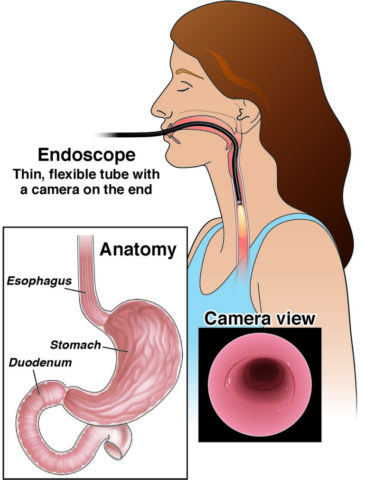
Upper GI endoscopy examines the oesophagus, stomach, and duodenum using a small camera.
• Direct Examination: Provides a clear view of the upper digestive tract.
• Condition Assessment: Helps investigate ulcers, inflammation, reflux-related changes, and other abnormalities.
• Biopsy: A tissue sample may be taken when clinically necessary.
• Selected Treatment: Certain problems can be treated during the procedure when appropriate.
Therefore, the procedure is recommended based on your symptoms and medical history. Dr. Yogesh Bang at LGI Hospitals can assess your condition and determine whether upper GI endoscopy is appropriate.
Colonoscopy
Colonoscopy uses a flexible camera to examine the large intestine and investigate selected bowel problems. It may be recommended for persistent bowel changes, gastrointestinal bleeding, abnormal test results, or other clinical concerns.
• Examines the Colon: Provides a detailed view of the large intestine.
• Investigates Symptoms: Helps assess persistent changes in bowel habits and related concerns.
• Identifies Abnormalities: Can detect selected inflammation, growths, or other changes.
• Biopsy or Treatment: Tissue sampling or selected treatments may be performed when required.
Proper bowel preparation is essential for a clear and effective examination. Dr. Yogesh Bang at LGI Hospitals can explain the preparation process and determine whether colonoscopy is appropriate for your condition.
Capsule Endoscopy
Capsule endoscopy uses a small, swallowable camera capsule to capture images as it passes through the digestive tract. It can be particularly useful for examining parts of the small intestine that may be difficult to reach with conventional endoscopy.
• Small Intestine Evaluation: Helps examine areas that may be difficult to access with standard procedures.
• Non-Invasive Imaging: Uses a swallowable capsule rather than a conventional endoscope.
• Detailed Images: Captures multiple images as the capsule travels through the digestive tract.
• Individual Assessment: Suitability depends on your symptoms, medical history, and clinical needs.
Therefore, capsule endoscopy is recommended only when it is likely to provide useful information. Dr. Yogesh Bang at LGI Hospitals can assess your condition and determine whether this procedure is appropriate.
Endoscopic Ultrasound (EUS)
Endoscopic ultrasound (EUS) combines endoscopy with ultrasound imaging to provide detailed views of the digestive tract and nearby organs. It can help evaluate selected conditions when standard endoscopy or imaging may not provide enough information.
• Pancreas: Helps assess selected pancreatic abnormalities.
• Bile Ducts: Provides detailed imaging of the bile ducts and surrounding areas.
• Gallbladder: Can help evaluate selected gallbladder concerns.
• Gastrointestinal Wall: Examines the different layers of the digestive tract.
• Nearby Structures: Provides closer views of tissues surrounding the digestive system.
Therefore, EUS is recommended based on your symptoms and clinical findings. Dr. Yogesh Bang at LGI Hospitals can assess your condition and determine whether EUS is appropriate.
ERCP
ERCP (Endoscopic Retrograde Cholangiopancreatography) is a specialized procedure used to diagnose and treat selected problems affecting the bile and pancreatic ducts. It may be recommended when detailed evaluation or endoscopic treatment is required.
• Bile Duct Stones: Helps manage certain stones affecting the bile ducts.
• Bile Duct Obstruction: Can help identify and treat selected blockages.
• Strictures: May be used to evaluate or manage certain narrowed ducts.
• Pancreatic Duct Problems: Helps assess selected pancreatic duct conditions.
• Pancreatobiliary Conditions: Can support diagnosis and treatment of other related disorders.
Because ERCP is a specialized procedure, it should only be performed when medically indicated. Dr. Yogesh Bang at LGI Hospitals can evaluate your condition and determine whether ERCP is appropriate.
Conditions That May Require Endoscopy
• Acid Reflux: Helps assess selected reflux-related complications.
• Peptic Ulcers: Can examine suspected ulcers and related abnormalities.
• Gastrointestinal Bleeding: May help identify the source of bleeding.
• Difficulty Swallowing: Helps evaluate persistent swallowing problems.
• Persistent Vomiting: Can investigate unexplained or recurring vomiting.
• Bowel Disorders: May support evaluation of selected bowel conditions.
• Abnormal Findings: Can provide further assessment of unusual test results.
Therefore, not every digestive problem requires endoscopy. Dr. Yogesh Bang at LGI Hospitals can review your symptoms and recommend the most appropriate investigation for your condition.
Diagnostic vs Therapeutic Endoscopy
1. Diagnostic Endoscopy
• Detailed Examination: Provides a direct view of the digestive tract.
• Abnormality Detection: Helps identify ulcers, inflammation, bleeding, or other changes.
• Tissue Sampling: A biopsy may be taken when clinically required.
• Treatment Planning: Findings can help guide the next stage of medical care.
2. Therapeutic Endoscopy
• Bleeding Control: May help manage certain sources of gastrointestinal bleeding.
• Stone Procedures: Can support treatment of selected bile or pancreatic duct stones.
• Obstruction Management: May help manage certain blockages or strictures.
• Lesion Treatment: Selected lesions may be removed or treated when appropriate.
How to Prepare for Endoscopy ?
Proper preparation can help make your endoscopy safer and more effective. Follow the instructions provided by your medical team and ask questions if anything is unclear.
• Fasting: Follow the recommended fasting period before the procedure.
• Medicines: Take or adjust medicines only as advised by your doctor.
• Allergies: Inform the medical team about any known allergies or previous reactions.
• Blood Thinners: Tell your doctor if you take anticoagulants or other blood-thinning medicines.
• Medical Reports: Bring relevant prescriptions, test results, scans, and previous reports.
• Bowel Preparation: If you are undergoing colonoscopy, complete the prescribed bowel preparation as instructed.
Dr. Yogesh Bang at LGI Hospitals can provide procedure-specific preparation guidance and help you understand what to expect before your endoscopy.
What Happens During Endoscopy?
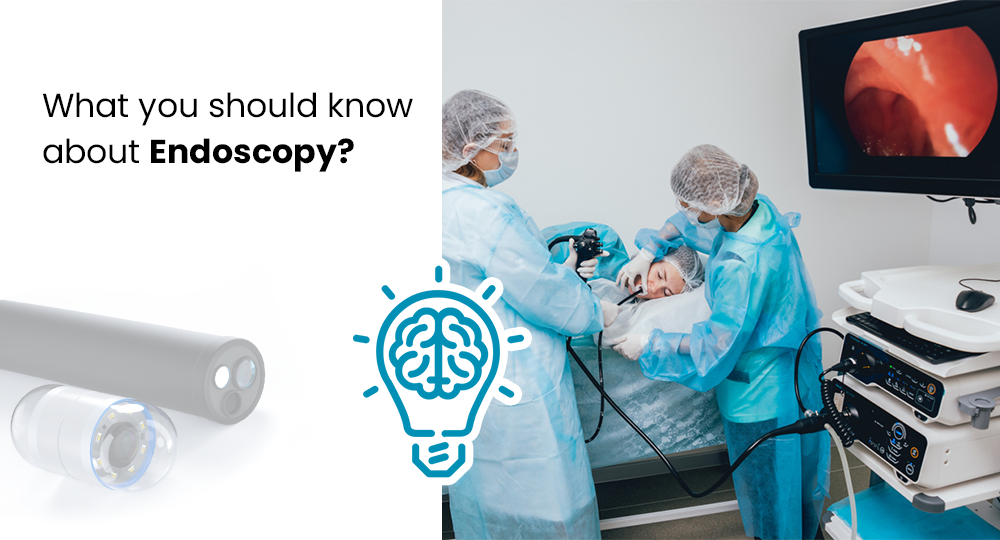
The endoscopy process depends on the type of procedure. A flexible camera is carefully guided through the relevant part of the digestive tract, allowing the specialist to examine the area and identify possible abnormalities.
• Professional Care: Trained medical professionals perform the procedure using appropriate equipment.
• Comfort Measures: Your doctor may use sedation when clinically appropriate.
• Biopsy: The specialist may collect tissue samples when laboratory testing is required.
• Selected Treatment: Certain conditions can be treated during the same procedure when appropriate.
Before starting, your doctor will explain the procedure, preparation, and necessary precautions. Dr. Yogesh Bang at LGI Hospitals can guide you through the process and address your individual concerns.
Is Endoscopy Painful?
The level of discomfort during endoscopy varies depending on the procedure and individual factors. However, appropriate comfort measures can make the experience easier for many patients.
• Individual Experience: Discomfort may vary depending on the type of procedure.
• Sedation: Your doctor may use sedation when appropriate to improve comfort.
• Medical History: Inform your doctor about previous reactions to sedation or anaesthesia.
• Patient Guidance: The medical team explains the procedure and what you can expect beforehand.
If you have concerns about discomfort or sedation, discuss them with Dr. Yogesh Bang at LGI Hospitals before your procedure so your care team can plan appropriately.
Recovery After Endoscopy
Recovery depends on the type of endoscopy, sedation, and any treatment performed. Following your medical team’s instructions can help support a smooth recovery.
• Eating and Drinking: Resume food and fluids as advised by your doctor.
• Medicines: Take prescribed medicines exactly as directed.
• Assistance: Arrange support if sedation was used.
• Post-Procedure Care: Follow recommended activity and follow-up instructions.
• Warning Signs: Report severe pain, heavy bleeding, persistent vomiting, or unusual symptoms promptly.
Dr. Yogesh Bang at LGI Hospitals can explain your recovery process and provide guidance based on the specific endoscopy performed.
Why Choose Dr. Yogesh Bang at LGI Hospitals?
• Personalized Assessment: Evaluates your symptoms and individual health concerns.
• Medical History Review: Reviews previous reports, tests, and treatments.
• Investigation Guidance: Recommends suitable diagnostic procedures when needed.
• Endoscopy Consultation: Explains the purpose and suitability of endoscopic procedures.
• Preparation Support: Guides you through procedure-specific preparation.
• Follow-Up Planning: Provides guidance for treatment and follow-up based on your results.
With a patient-focused approach, Dr. Yogesh Bang at LGI Hospitals helps you understand your digestive condition and make informed decisions about your care.
Frequently Asked Questions (FAQ)