
Endoscopy Specialist in Shahdol | Advanced Endoscopy Care at LGI Hospital
Digestive problems can affect your comfort, eating habits, and daily routine. Symptoms such as acidity, stomach pain, vomiting, swallowing difficulty, and bowel changes can have many causes. When these symptoms continue, proper evaluation becomes important. If you are looking for an Endoscopy Specialist in Shahdol, Dr. Yogesh Bang at LGI Hospital provides specialist gastrointestinal care with advanced endoscopy evaluation and treatment. Dr. Yogesh Bang is a Surgical Gastroenterologist at LGI Hospital. He has completed MBBS, MS in General Surgery, DNB in Surgical Gastroenterology, and FMAS. He evaluates digestive problems and recommends suitable diagnostic or treatment options based on each patient’s condition. Patients searching for an Endoscopy Specialist in Shahdol can consult Dr. Yogesh Bang for a detailed assessment and a personalized endoscopy plan. LGI Hospital also provides different endoscopy services based on individual patient needs.
What Is Endoscopy?
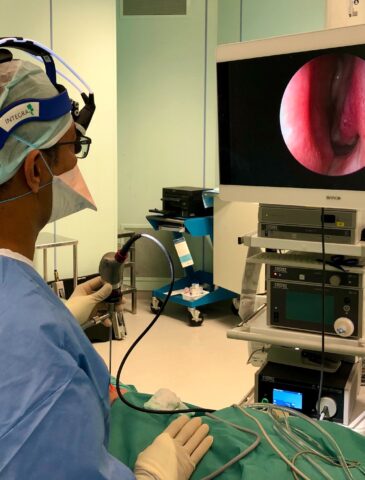
Endoscopy is a procedure that helps a specialist examine the inside of the digestive tract. A thin tube with a small camera provides images of the digestive system. Dr. Yogesh Bang may recommend endoscopy when symptoms need a closer examination.
Upper GI endoscopy checks the food pipe, stomach, and duodenum. Colonoscopy checks the large intestine and rectum. Other procedures can examine the small intestine, bile ducts, pancreas, and nearby organs. Dr. Yogesh Bang selects the appropriate procedure after reviewing your symptoms and medical history.
Why Choose Dr. Yogesh Bang for Endoscopy Care?
Choosing the right specialist can make the diagnostic process easier. Dr. Yogesh Bang at LGI Hospital provides gastrointestinal evaluation with a focus on accurate diagnosis and appropriate treatment.
Dr. Yogesh Bang first reviews your symptoms, previous reports, medical history, and current medicines. He then decides whether endoscopy is required. If endoscopy is appropriate, he recommends the procedure that best matches your condition.
This personalized approach helps avoid unnecessary procedures. It also allows Dr. Yogesh Bang to plan further treatment when an endoscopy identifies a condition that needs medical or surgical care.
Endoscopy Care for Patients from Shahdol
Patients from Shahdol may need specialist evaluation when digestive symptoms continue despite routine treatment. Repeated acidity, stomach pain, vomiting, swallowing problems, or bowel changes should not be ignored.
Dr. Yogesh Bang at LGI Hospital evaluates these symptoms and looks for possible causes. Depending on your condition, he may recommend blood tests, imaging, endoscopy, colonoscopy, or another investigation.
The goal is simple. First, understand the problem. Then, choose the right treatment. This helps patients receive care based on their actual condition.
When Do You Need an Endoscopy?
Not every digestive problem requires endoscopy. However, Dr. Yogesh Bang may recommend the procedure when symptoms continue or require a closer examination.
Common reasons may include:
▪ Persistent acidity or heartburn
▪ Difficulty while swallowing
▪ Pain while swallowing
▪ Repeated vomiting
▪ Long-lasting stomach pain
▪ Persistent indigestion
▪ Suspected stomach ulcer
▪ Gastrointestinal bleeding
▪ Unexplained weight loss
▪ Suspected inflammation
Dr. Yogesh Bang reviews your complete clinical history before recommending endoscopy. This helps ensure that the procedure is medically appropriate for your condition.
Upper GI Endoscopy at LGI Hospital
Upper GI endoscopy allows Dr. Yogesh Bang to examine the upper digestive tract. The procedure checks the oesophagus, stomach, and duodenum.
It can help identify ulcers, inflammation, bleeding, narrowing, and other abnormalities. If required, Dr. Yogesh Bang may also recommend taking a small tissue sample during the procedure.
Upper GI endoscopy can be useful when symptoms continue despite treatment. It can also help clarify the cause of unexplained upper digestive symptoms.
Colonoscopy for Lower Digestive Problems By Endoscopy Specialist in Shahdol
Colonoscopy examines the colon and rectum. Dr. Yogesh Bang may recommend colonoscopy when patients have certain bowel or colorectal symptoms.
These symptoms may include rectal bleeding, long-lasting changes in bowel habits, unexplained abdominal pain, or other concerns involving the large intestine.
A colonoscopy can help detect polyps, inflammation, bleeding, and other abnormalities. When appropriate, treatment can also be performed during the same procedure.
Capsule Endoscopy By Endoscopy Specialist in Shahdol
The small intestine can be difficult to examine with standard endoscopy. Capsule endoscopy provides another option for selected patients.
During this procedure, the patient swallows a small capsule containing a camera. The capsule moves through the digestive tract and captures images.
Dr. Yogesh Bang may consider capsule endoscopy when other investigations do not provide enough information. It can help examine parts of the small intestine that are difficult to reach with conventional endoscopy.
ERCP for Bile Duct and Pancreatic Problems
Endoscopic Ultrasound or EUS By Endoscopy Specialist in Shahdol
Endoscopic ultrasound is also known as EUS. It combines endoscopy with ultrasound imaging.
EUS can provide detailed information about the digestive tract and nearby organs. It may help assess the pancreas, bile ducts, digestive tract wall, and surrounding structures.
When required, Dr. Yogesh Bang can use the findings from advanced imaging and endoscopic assessment to guide further diagnosis and treatment planning.
Advanced Third-Space Endoscopy By Endoscopy Specialist in Shahdol
Modern endoscopy can do more than identify digestive problems. Selected advanced procedures can also treat certain conditions without traditional open surgery.
Third-space endoscopy uses specialised endoscopic techniques. These techniques work beneath the inner lining of the digestive tract.
Dr. Yogesh Bang can assess whether advanced endoscopic treatment is suitable based on the patient’s diagnosis, symptoms, and overall condition. These procedures are not required for every patient.
Why Patients from Shahdol Seek Advanced Endoscopy Care ?
Some digestive problems need advanced evaluation. This is especially true when symptoms continue, return often, or remain unexplained after initial tests.
Patients from Shahdol can consult Dr. Yogesh Bang at LGI Hospital for specialist gastrointestinal care. Based on your symptoms and reports, he may recommend:
▪ Upper GI Endoscopy to examine the oesophagus, stomach, and duodenum.
▪ Colonoscopy to check the colon and rectum.
▪ Capsule Endoscopy to examine parts of the small intestine.
▪ ERCP to assess and treat selected bile duct and pancreatic problems.
▪ EUS to examine the digestive tract and nearby organs in greater detail.
▪ Other investigations when your symptoms require a different approach.
The right procedure depends on your symptoms, medical history, and diagnosis. Dr. Yogesh Bang carefully evaluates each patient before recommending any test or procedure.
Frequently Asked Questions (FAQ)
Book Your Consultation Today
Persistent digestive symptoms should not be ignored. If you have ongoing acidity, stomach pain, vomiting, swallowing problems, unexplained weight loss, or changes in bowel habits, consider a specialist consultation.
Dr. Yogesh Bang at LGI Hospital provides personalised gastrointestinal evaluation for patients from Shahdol. He reviews your symptoms, medical history, previous reports, and current medicines before suggesting the next step.
If endoscopy is needed, Dr. Yogesh Bang can recommend the appropriate procedure based on your condition. His approach focuses on accurate evaluation, patient comfort, and suitable treatment planning.
If you are looking for an Endoscopy Specialist in Shahdol, contact LGI Hospital to schedule a consultation with Dr. Yogesh Bang.