
Endoscopy Specialist in Satna – Dr. Yogesh Bang | LGI Hospitals
Digestive problems can often begin with mild symptoms such as persistent acidity, stomach pain, bloating, nausea, or difficulty swallowing. Although these symptoms may appear harmless initially, they can sometimes indicate underlying gastrointestinal conditions that require detailed evaluation. Therefore, consulting an experienced Endoscopy Specialist in Satna is essential for obtaining an accurate diagnosis and receiving timely treatment. Early detection not only helps relieve symptoms but also prevents many digestive disorders from progressing into more serious conditions. At LGI Hospitals, Dr. Yogesh Bang (MBBS, MS General Surgery, DNB Surgical Gastroenterology) provides comprehensive endoscopic evaluation and treatment for a wide range of digestive diseases. Using advanced diagnostic techniques and a patient-centered approach, he carefully evaluates each individual’s condition before recommending the most appropriate treatment plan. Moreover, endoscopy enables doctors to examine the digestive tract directly, making it one of the most reliable methods for diagnosing gastrointestinal disorders.
What Does an Endoscopy Specialist in Satna Do?
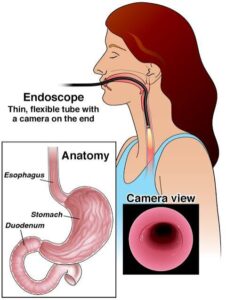
An endoscopy specialist diagnoses and manages diseases affecting the upper digestive tract using a thin, flexible tube called an endoscope. This instrument contains a high-definition camera and light source that allow doctors to examine the esophagus, stomach, and the first part of the small intestine in real time. As a result, abnormalities that may not appear on routine imaging tests can often be identified quickly and accurately.
Dr. Yogesh Bang performs endoscopic evaluations to diagnose the underlying cause of digestive symptoms while also planning the most suitable treatment. Furthermore, endoscopy is not limited to diagnosis alone. In many cases, it can also help perform minimally invasive therapeutic procedures without the need for major surgery. Therefore, patients benefit from shorter recovery times, reduced discomfort, and earlier treatment when necessary.
Endoscopy Specialist in Satna for Persistent Digestive Problems?
Many digestive conditions develop gradually, with symptoms becoming more noticeable as the underlying problem progresses. Occasional indigestion may not be a cause for concern. However, repeated discomfort, unexplained changes in digestion, or symptoms that interfere with daily activities deserve proper medical attention. Consulting an Endoscopy Specialist in Satna can help determine whether further investigation is necessary and identify possible digestive problems at an earlier stage.
Certain warning signs may point towards conditions such as gastrointestinal inflammation, ulcers, internal bleeding, or other abnormalities. Patients who continue to experience digestive complaints despite medication should consider a detailed medical assessment instead of repeatedly treating the symptoms on their own. Similarly, individuals with a family history of gastrointestinal diseases may need an evaluation based on their medical background and current symptoms.
Common Symptoms That May Require an Upper GI Endoscopy Examination
An upper GI endoscopy may be advised when digestive symptoms continue, recur frequently, or require further investigation. Symptoms that may warrant an endoscopic examination include:
▪ Frequent heartburn or repeated acid reflux.
▪ Difficulty or discomfort while swallowing food.
▪ Ongoing pain or discomfort in the upper abdomen.
▪ Repeated episodes of nausea or vomiting.
▪ Vomiting blood or blood-stained material.
▪ Black, tarry stools that may indicate bleeding in the digestive tract.
▪ Unintentional weight loss without an obvious reason.
▪ Reduced appetite or difficulty maintaining normal food intake.
▪ Persistent indigestion despite appropriate treatment.
▪ Recurrent bloating or fullness after meals.
What Is an Upper GI Endoscopy?
Upper GI endoscopy helps doctors examine the upper digestive tract and identify conditions that routine tests may not clearly reveal. During the procedure, the doctor gently guides a thin, flexible tube with a camera through the patient’s mouth to examine the esophagus, stomach, and duodenum. The camera displays detailed images on a monitor, allowing the specialist to detect ulcers, inflammation, bleeding, abnormal growths, and changes in the digestive lining.
Before the examination, the medical team explains the procedure and provides instructions about fasting and preparation. Depending on the patient’s condition, the doctor may use a throat-numbing spray or sedation to improve comfort. Trained medical staff monitor the patient’s condition throughout the examination. If the specialist finds an unusual area, they may collect a small tissue sample (biopsy) for laboratory analysis. The results help the doctor confirm the diagnosis and select an appropriate treatment plan.
Conditions Diagnosed Through Endoscopy
Endoscopy helps doctors identify digestive disorders by examining the inner lining of the digestive tract directly. This detailed view can reveal abnormalities that symptoms alone may not explain. It also helps specialists locate the source of gastrointestinal problems and decide whether further tests, a biopsy, or treatment may be necessary. Based on these findings, doctors can recommend care that addresses the patient’s specific condition.
Some digestive conditions develop slowly and cause few noticeable symptoms at first. An endoscopic examination may detect early signs of inflammation, ulcers, bleeding, or unusual tissue changes. When doctors identify these problems promptly, they can assess the condition and plan appropriate treatment before further complications develop.
Common conditions diagnosed through endoscopy include:
Upper GI endoscopy helps detect abnormalities in the esophagus, stomach, and duodenum. It can assist in diagnosing several digestive conditions, including:
▪ Gastroesophageal Reflux Disease (GERD)
▪ Gastritis and esophagitis
▪ Peptic and duodenal ulcers
▪ Barrett’s esophagus
▪ Gastric polyps and benign growths
▪ Gastrointestinal bleeding
▪ Celiac disease
▪ Helicobacter pylori (H. pylori) infection
▪ Suspicious changes associated with early gastrointestinal cancers
Based on the findings, Dr. Yogesh Bang recommends an appropriate treatment plan tailored to the patient’s diagnosis, symptoms, and overall health. Regular follow-up is advised whenever necessary.
Benefits of Consulting an Endoscopy Specialist in Satna
Endoscopy allows doctors to examine the digestive tract closely and investigate problems that routine examinations may not fully explain. It helps identify ulcers, inflammation, internal bleeding, and unusual tissue changes. When required, the specialist can also collect tissue samples or perform certain treatments during the examination. This can reduce the need for separate procedures in selected cases.
Other important benefits include:
▪ Clear visual assessment of the digestive tract.
▪ Recognition of abnormalities at an early stage.
▪ Tissue sampling to support diagnostic confirmation.
▪ Treatment of certain conditions during the same session.
▪ Examination through a flexible instrument without major surgical cuts.
▪ Usually a brief recovery and observation period.
▪ More informed treatment decisions based on direct findings.
How to Prepare for an Endoscopy Procedure ?
Preparing for an endoscopy helps the doctor examine the digestive tract clearly and carry out the procedure safely. Before the examination, Dr. Yogesh Bang explains the necessary precautions according to the patient’s health, current medications, and type of endoscopy. Patients should follow these instructions carefully to avoid preparation-related delays and ensure a clear examination. Most patients need to stop eating and drinking for a specified period before the procedure. The medical team will explain the exact fasting duration. Patients should also discuss blood-thinning medicines, diabetes medication, allergies, previous surgeries, and existing health conditions with the doctor. Some medicines may need adjustment, but patients should never stop or change their prescribed medication without medical advice.
Preparation Guidelines May Include :
Before undergoing an endoscopy, patients should follow the preparation advice provided by the medical team. These precautions help the specialist carry out the examination under appropriate conditions.
▪ Stop eating and drinking for the period specified by the doctor.
▪ Share a complete list of prescribed medicines and supplements.
▪ Mention any allergies, ongoing illnesses, or previous surgical procedures.
▪ Ask the doctor how to manage blood thinners and diabetes medicines before the examination.
▪ Arrange for someone to accompany you if sedation is planned.
▪ Choose comfortable clothing for the appointment.
After the examination, the medical team explains when to resume eating, take regular medicines, and return to normal activities. Patients should follow these instructions and attend the recommended follow-up appointment. During this consultation, Dr. Yogesh Bang can review the findings and discuss whether medication, further investigations, or additional treatment may be necessary.
What to Expect During and After Endoscopy ?
An upper GI endoscopy is generally a brief procedure, and the medical team takes steps to keep patients comfortable throughout the examination. Before starting, the specialist explains what to expect and discusses whether a throat-numbing spray or sedation is suitable. The examination time varies depending on the patient’s condition and whether the doctor needs to perform additional steps.
During the procedure, Dr. Yogesh Bang gently passes a narrow, flexible instrument fitted with a camera through the mouth. This allows him to examine the esophagus, stomach, and duodenum on a monitor. If he notices an area that requires closer investigation, he may collect a small tissue sample for laboratory testing. After the examination, the medical team observes the patient, especially if sedation was used. Some patients experience mild throat soreness or temporary bloating afterward. These effects usually settle with time. Before discharge, the team explains when to eat, drink, drive, take regular medicines, and resume daily activities. Patients who receive sedation may need someone to accompany them home and should follow the advised restrictions.
Treatment Options After Endoscopic Evaluation
Endoscopy findings help Dr. Yogesh Bang decide what type of care a patient needs. He considers the diagnosis, severity of the condition, symptoms, medical history, and overall health before recommending treatment. The approach focuses on managing the underlying digestive problem while helping patients understand the steps involved in their care. Patients may also receive advice about food habits, daily routines, and follow-up assessments to support digestive health.
Many gastrointestinal conditions respond well to medication, dietary adjustments, and regular monitoring. However, certain problems may need treatment through an endoscopic procedure or minimally invasive surgery. The recommended option depends on the nature of the disease and its progression. Identifying abnormalities early can also give patients an opportunity to begin appropriate care before the condition leads to further complications.
Why Choose Dr. Yogesh Bang as Your Endoscopy Specialist in Satna?
Selecting the right specialist is essential for accurate diagnosis and effective treatment of digestive disorders. Dr. Yogesh Bang combines advanced qualifications, extensive experience in surgical gastroenterology, and a patient-focused approach to deliver comprehensive digestive care. Instead of providing a generic treatment plan, he carefully evaluates every patient’s symptoms, medical history, and diagnostic findings before recommending the most appropriate course of action. Consequently, patients receive individualized care that addresses both immediate concerns and long-term digestive health.
At LGI Hospitals, patients benefit from modern diagnostic technology, evidence-based treatment protocols, and compassionate medical care in a comfortable environment. Furthermore, Dr. Bang believes in educating patients about their condition so they can make informed decisions regarding treatment and prevention. His commitment to clinical excellence and ethical medical practice has earned the trust of patients seeking specialized gastrointestinal care.
Consult an Endoscopy Specialist in Satna Today
Persistent digestive problems deserve timely medical attention, as identifying the underlying cause can help prevent further complications. If you experience recurring acidity, abdominal discomfort, swallowing difficulties, vomiting, or unexplained changes in digestion, consulting an Endoscopy Specialist in Satna can help determine the appropriate next steps. At LGI Hospitals, Dr. Yogesh Bang provides endoscopic evaluation and personalized digestive care using established diagnostic methods and clinically appropriate treatment approaches. His approach focuses on understanding each patient’s symptoms, confirming the diagnosis, and recommending suitable care. From routine endoscopic examinations to the evaluation of complex gastrointestinal disorders, patients receive clear guidance at every stage. If you have ongoing digestive complaints or have been advised to undergo an endoscopy, book a consultation with Dr. Yogesh Bang at LGI Hospitals for further evaluation and treatment guidance.
Frequently Asked Questions (FAQ) Endoscopy Specialist in Satna
People with persistent acidity, difficulty swallowing, upper abdominal pain, unexplained vomiting, gastrointestinal bleeding, or chronic indigestion may require an upper GI endoscopy after medical evaluation.
Endoscopy is generally well tolerated. If required, sedation is used to improve patient comfort, and most people experience minimal discomfort during the procedure.
The procedure usually takes around 15–30 minutes, although the exact duration depends on the patient’s condition and whether additional procedures, such as a biopsy, are required.
Yes. Your doctor will advise you when it is safe to resume eating and drinking, depending on the type of procedure and whether sedation was administered.
Yes. When performed by an experienced specialist, endoscopy is considered a safe and effective procedure with a low risk of complications.
Book an Appointment | Endoscopy Specialist in Satna
Your digestive health deserves careful attention and the right medical guidance. Whether you are dealing with persistent abdominal pain, gallstones, hernia, acid reflux, or liver and pancreatic conditions, consult Dr. Yogesh Bang at LGI Hospitals for a detailed evaluation and appropriate treatment.
Why Choose Dr. Yogesh Bang at LGI Hospitals?
▪ Experienced Surgical Gastroenterologist
▪ Expertise in laparoscopic and gastrointestinal surgeries
▪ Treatment plans tailored to individual health needs
▪ Patient-focused consultation and medical guidance
▪ Modern surgical approaches with recovery planning
Book your consultation with Dr. Yogesh Bang at LGI Hospitals and take an informed step towards better digestive health.