
Advanced Esophago-Gastric Surgery by Dr. Yogesh Bang at LGI Hospital
What is Esophago-Gastric Surgery?
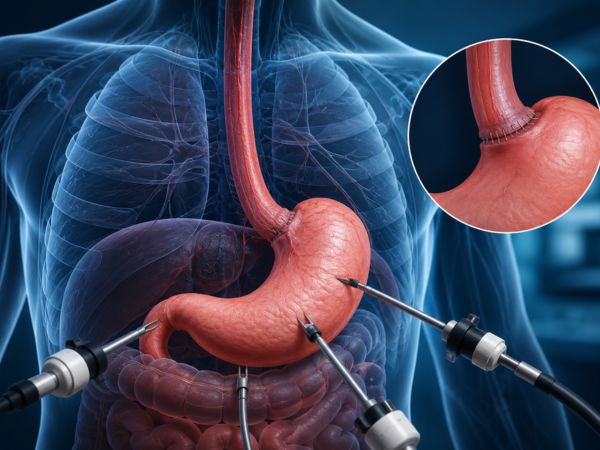
- Esophagus (Food Pipe)
- Stomach
- Gastroesophageal Junction (GE Junction)
Treatment may involve medications, endoscopic procedures, laparoscopic surgery, or advanced open surgery depending on the condition.
Moreover, minimally invasive techniques help reduce pain, shorten hospital stays, and promote faster recovery.
Conditions Treated with Esophago-Gastric Surgery
Dr. Yogesh Bang provides expert diagnosis and treatment for various esophageal and stomach disorders, including:
- Esophageal Cancer
- Stomach (Gastric) Cancer
- Gastroesophageal Reflux Disease (GERD)
- Hiatal Hernia
- Achalasia Cardia
- Barrett’s Esophagus
- Esophageal Strictures
- Gastric Ulcers
- Perforated Stomach Ulcers
- Gastric Polyps
- Benign Stomach Tumors
- Gastric Outlet Obstruction
- Esophageal Perforation
- Upper Gastrointestinal Bleeding
- Gastric Cysts
- Foreign Body Removal (Selected Cases)
Each patient receives a personalized treatment plan based on the diagnosis, disease stage, and overall health.
Symptoms That May Require Esophago-Gastric Surgery
You should consult a specialist if you experience:
- Difficulty swallowing (Dysphagia)
- Persistent heartburn
- Acid reflux
- Chest pain while swallowing
- Upper abdominal pain
- Persistent vomiting
- Vomiting blood
- Black-colored stools
- Unexplained weight loss
- Loss of appetite
- Chronic indigestion
- Persistent nausea
- Feeling of food getting stuck
- Recurrent gastric ulcers
Early diagnosis improves treatment success and reduces complications.
Causes of Esophageal and Gastric Disorders
Several conditions contribute to diseases of the esophagus and stomach.
Common causes include:
- Chronic acid reflux (GERD)
- Helicobacter pylori infection
- Smoking
- Alcohol consumption
- Obesity
- Hiatal hernia
- Family history of gastric cancer
- Poor dietary habits
- Long-term use of NSAID medications
- Chronic inflammation
Addressing these risk factors helps improve treatment outcomes.
Diagnosis of Esophago-Gastric Disorders
Dr. Yogesh Bang performs a comprehensive evaluation before planning treatment.
Diagnostic investigations may include:
- Medical history
- Physical examination
- Upper GI Endoscopy
- Biopsy
- Endoscopic Ultrasound (EUS)
- CT Scan
- MRI Scan
- PET-CT Scan (for selected cancer patients)
- Barium Swallow Study
- Esophageal Manometry
- 24-Hour pH Monitoring
- Blood investigations
These tests help identify the exact cause and determine the most appropriate treatment plan.
Esophago-Gastric Surgical Procedures
Depending on the diagnosis, Dr. Yogesh Bang performs several advanced procedures.
Laparoscopic Fundoplication
Minimally invasive surgery for severe GERD and hiatal hernia.
Heller’s Myotomy
Advanced laparoscopic surgery for achalasia cardia to improve swallowing.
Gastrectomy
Partial or complete removal of the stomach for gastric cancer or other severe gastric diseases.
Esophagectomy
Surgical removal of diseased portions of the esophagus for cancer or complex esophageal disorders.
Hiatal Hernia Repair
Laparoscopic repair of hiatal hernias causing reflux and swallowing difficulties.
Gastric Ulcer Surgery
Surgical management of complicated or perforated stomach ulcers.
Upper Gastrointestinal Cancer Surgery
Advanced surgical treatment for esophageal and gastric cancers using modern oncological principles.
Benefits of Minimally Invasive Esophago-Gastric Surgery
Whenever appropriate, laparoscopic surgery offers numerous advantages.
These include:
- Smaller incisions
- Less postoperative pain
- Reduced blood loss
- Lower infection risk
- Faster recovery
- Shorter hospital stay
- Earlier return to daily activities
- Better cosmetic results
Consequently, patients experience greater comfort and quicker recovery.
Recovery After Esophago-Gastric Surgery
Recovery depends on the type of surgery performed.
Patients are advised to:
- Follow a gradual dietary progression.
- Eat small, frequent meals.
- Stay hydrated.
- Take medications as prescribed.
- Walk regularly after surgery.
- Avoid heavy lifting.
- Attend scheduled follow-up visits.
- Follow nutritional counseling when required.
These recommendations help support healing and improve digestive function.
Possible Complications if Left Untreated
Untreated esophageal and gastric diseases may lead to:
- Severe bleeding
- Perforation
- Esophageal narrowing
- Chronic malnutrition
- Persistent acid reflux
- Barrett’s esophagus
- Spread of stomach or esophageal cancer
- Life-threatening infections
Timely treatment significantly reduces these risks.
Tips to Maintain Esophageal and Stomach Health
Healthy habits help reduce the risk of upper gastrointestinal diseases.
- Eat balanced meals at regular times.
- Avoid smoking and tobacco.
- Limit alcohol consumption.
- Maintain a healthy body weight.
- Avoid excessive spicy and processed foods.
- Treat acid reflux promptly.
- Avoid unnecessary painkiller use.
- Exercise regularly.
- Schedule regular health check-ups if you have chronic digestive symptoms.