
Gallstones can interfere with digestion and cause symptoms such as upper abdominal pain, nausea, and bloating. When complications develop, they may lead to gallbladder inflammation or blockage of the bile ducts. A medical assessment helps determine whether treatment is necessary and which option is suitable for your condition.If you are considering Gallbladder Stone Surgery in Nagpur, consult Dr. Yogesh Bang at LGI Hospitals. He evaluates your symptoms, medical history, and investigation results before discussing appropriate treatment options. Depending on your condition, gallbladder removal may be performed using laparoscopic or open surgery. The recommended approach considers your individual needs, potential risks, and recovery requirements. Throughout the process, clear guidance helps you understand the procedure and prepare for postoperative care.
What Are Gallbladder Stones?
When Is Gallbladder Stone Surgery Needed?
Surgical treatment may be recommended when gallstones cause recurring symptoms or serious complications. A doctor may consider surgery if you experience:
▪ Repeated episodes of abdominal pain
▪ Intense discomfort after eating
▪ Inflammation of the gallbladder
▪ Gallbladder infection
▪ Blockage of the bile duct
▪ Pancreatitis caused by gallstones
▪ Frequent nausea or vomiting
▪ Recurring attacks related to gallstones.
Symptoms of Gallbladder Stones
Identifying gallstone symptoms early can help you seek timely medical care and reduce the risk of complications. Consult a doctor if you experience:
▪ Sudden or sharp pain in the upper-right abdomen
▪ Discomfort after eating fatty meals
▪ Nausea or vomiting
▪ Persistent indigestion
▪ Abdominal swelling or bloating
▪ Fever accompanied by abdominal pain
▪ Pain spreading to the back or right shoulder
▪ Yellowing of the skin or eyes (jaundice).
Causes of Gallbladder Stones
Several health conditions and lifestyle factors can contribute to gallstone formation. Understanding these risks can help you make informed decisions about your health.
▪ Excess cholesterol in bile
▪ Obesity or excess body weight
▪ Diet high in saturated fats
▪ Diabetes and certain metabolic conditions
▪ Rapid weight loss
▪ Pregnancy
▪ Certain liver conditions
▪ Family history of gallstones
▪ Increasing age
▪ Hormonal changes that affect bile composition.
Laparoscopic Gallbladder Stone Surgery In Nagpur
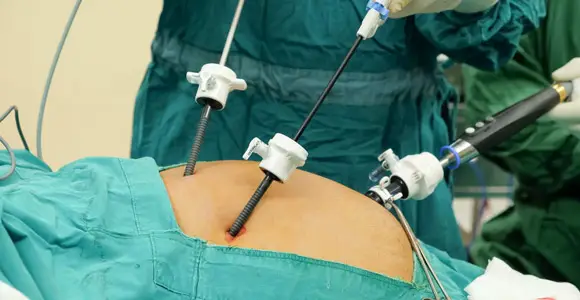
For symptomatic gallstones, laparoscopic cholecystectomy is a commonly performed procedure to remove the gallbladder. The surgeon uses a camera and specialized instruments through small incisions. This approach may offer several benefits, depending on the patient’s condition and surgical needs.
Benefits of Laparoscopic Surgery
▪ Smaller surgical incisions
▪ Less postoperative discomfort
▪ Limited blood loss in many cases
▪ Reduced wound-related complications
▪ Potentially quicker recovery
▪ Shorter hospital stay for suitable patients
▪ Smaller visible scars
▪ Earlier return to routine activities when medically appropriate.
Open Gallbladder Stone Surgery in Nagpur
Open gallbladder surgery may be recommended when severe inflammation, complex anatomy, or other complications make laparoscopic removal unsuitable. The surgeon selects the safest approach after evaluating the patient’s condition. Treatment planning also includes discussing potential risks, postoperative care, and recovery expectations based on individual needs.
Open Gallbladder Stone Surgery in Nagpur
Our Gallbladder Stone Treatment Process For Gallbladder Stone Surgery In Nagpur
1. Initial Medical Assessment
The surgeon reviews your symptoms, health history, and physical examination findings to understand your condition and determine the need for further investigations.
2. Diagnostic Evaluation
Blood tests and an abdominal ultrasound may be recommended to assess gallstones and identify possible complications. Additional imaging may be required in selected cases.
3. Individualized Treatment Planning
Your treatment depends on the severity of symptoms, test results, and overall health. The surgeon explains the available options, surgical procedure, potential risks, and expected recovery.
4. Gallbladder Removal Surgery
When surgery is necessary, the surgeon may perform laparoscopic or open gallbladder removal. The technique is selected according to your medical needs and the safest approach for your condition.
5. Postoperative Care
After surgery, you receive instructions on wound care, diet, medication, and physical activity. Follow-up visits help monitor healing and address any concerns during recovery.
Why Choose Us for Gallbladder Stone Surgery In Nagpur
Our team focuses on individualized treatment, appropriate surgical techniques, and attentive follow-up care. From diagnosis to recovery, patients receive guidance tailored to their medical needs.
Our Advantages
▪ Surgeons experienced in laparoscopic procedures
▪ Modern equipment for surgical care
▪ Well-equipped operation theatres
▪ Treatment plans based on individual health needs
▪ Diagnostic services to support accurate assessment
▪ Careful monitoring of patient safety
▪ Clear information about treatment costs
▪ Respectful and compassionate patient support
▪ Recovery guidance suited to the procedure
▪ Postoperative consultations to monitor healing.
Preparation Before Gallbladder Stone Surgery in Nagpur
Preparing for gallbladder surgery involves several important steps. Our medical team provides clear instructions to help patients understand the process and prepare for the procedure.
▪ Complete medical examination
▪ Required blood tests
▪ Abdominal ultrasound assessment
▪ Review of current medications
▪ Fasting instructions before surgery
▪ Counselling about the procedure and recovery
▪ Assessment of fitness for anesthesia and surgery.
Recovery After Gallbladder Stone Surgery in Nagpur
Getting ready for gallbladder surgery involves a few essential checks and precautions. Patients receive clear, individualized guidance to help them prepare safely for the planned operation.
▪ Medical history review and physical examination
▪ Necessary blood tests
▪ Ultrasound or other imaging, if required
▪ Review of current medicines and supplements
▪ Instructions about eating and drinking before surgery
▪ Pre-surgical counselling and guidance
▪ Assessment of fitness for anesthesia and surgery
Tips to Prevent Gallstone Problems
Healthy habits may help lower the risk of gallstones and support digestive health.
▪ Maintain a healthy weight and avoid crash diets.
▪ Eat balanced meals rich in fruits, vegetables, and whole grains.
▪ Limit fried and high-fat foods.
▪ Exercise regularly.
▪ Stay hydrated.
▪ Manage diabetes with medical guidance.
▪ Consult a doctor if you experience recurring abdominal pain.
These measures may reduce risk but cannot guarantee gallstone prevention.
Frequently Asked Questions (FAQ) - Gallbladder Stone Surgery In Nagpur
Yes. Therefore, laparoscopic surgery is considered one of the safest and most effective treatments for symptomatic gallstones when performed by experienced surgeons.
Most laparoscopic procedures take approximately 45 to 90 minutes. However, the duration depends on the patient’s condition and surgical complexity.
No. Therefore, once the gallbladder is removed, gallstones cannot form again inside the gallbladder.
Most patients resume light daily activities within a few days after laparoscopic surgery. However, complete recovery may take a few weeks depending on individual health.
Book an Appointment | Gallbladder Stone Surgery In Nagpur
Digestive issues can impact your comfort, eating habits, and everyday activities.Dr.Yogesh Bang at LGI Hospitals in Nagpur offers comprehensive medical assessments and tailored advice on effective treatment options.
Why choose us?
Our team includes a skilled Surgical Gastroenterologist with extensive experience.
We provide advanced laparoscopic and gastrointestinal procedures.Each patient receives a customized treatment plan.Our approach focuses on compassionate, individualized care.We use modern techniques to ensure quicker recovery.
Book your consultation now and benefit from expert treatment for Gallbladder Stone Surgery in Nagpur, helping you achieve a healthier digestive system.