
Advanced Gastrointestinal Cancer Treatment by Dr. Yogesh Bang at LGI Hospital
What is Gastrointestinal Oncology?
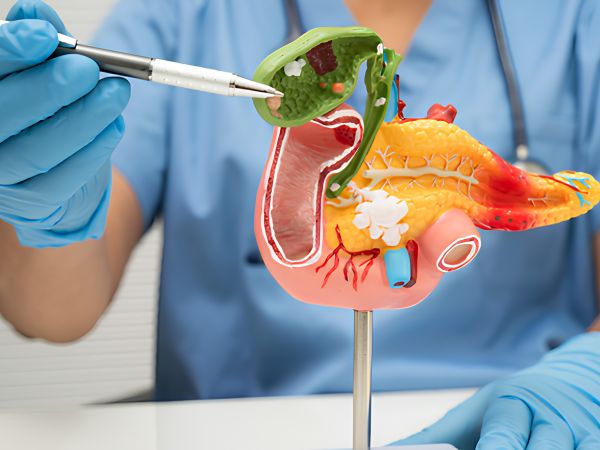
Types of Gastrointestinal Cancers We Treat
Dr. Yogesh Bang provides treatment for various gastrointestinal cancers, including:
- Colon Cancer
- Rectal Cancer
- Stomach Cancer
- Esophageal Cancer
- Liver Cancer
- Pancreatic Cancer
- Gallbladder Cancer
- Bile Duct Cancer (Cholangiocarcinoma)
- Small Intestinal Cancer
- Appendix Cancer
- Gastrointestinal Stromal Tumors (GIST)
- Neuroendocrine Tumors
- Peritoneal Surface Malignancies
Each patient receives a personalized treatment plan based on cancer type, stage, overall health, and individual treatment goals.
Symptoms of Gastrointestinal Cancer
Many gastrointestinal cancers develop gradually. Therefore, recognizing warning signs early is extremely important.
Common symptoms include:
- Persistent abdominal pain
- Difficulty swallowing
- Unexplained weight loss
- Blood in stools
- Black-colored stools
- Persistent vomiting
- Chronic indigestion
- Loss of appetite
- Change in bowel habits
- Constipation or diarrhea lasting several weeks
- Fatigue and weakness
- Persistent bloating
- Jaundice
- Lump in the abdomen
If these symptoms persist for more than two weeks, consult a gastrointestinal oncology specialist immediately.
Causes and Risk Factors
Several factors increase the risk of gastrointestinal cancers.
These include:
- Smoking
- Excessive alcohol consumption
- Obesity
- Family history of GI cancers
- Chronic inflammatory bowel disease
- Fatty liver disease
- Hepatitis B or C infection
- Helicobacter pylori infection
- High-fat, low-fiber diet
- Diabetes
- Genetic syndromes
- Increasing age
Although some risk factors cannot be changed, maintaining a healthy lifestyle may reduce the overall risk.
Diagnosis of Gastrointestinal Cancer
Accurate diagnosis helps doctors determine the best treatment approach.
Diagnostic services may include:
- Upper GI Endoscopy
- Colonoscopy
- Endoscopic Ultrasound (EUS)
- ERCP
- Capsule Endoscopy
- CT Scan
- MRI Scan
- PET CT Scan
- Ultrasound
- Biopsy
- Blood Tests
- Tumor Marker Tests
- Liver Function Tests
LGI Hospital offers advanced diagnostic facilities under one roof for comprehensive gastrointestinal evaluation.
Gastrointestinal Cancer Treatment
Treatment depends on the cancer type, location, and stage.
Dr. Yogesh Bang offers:
Minimally Invasive GI Cancer Surgery
Laparoscopic gastrointestinal cancer surgery uses smaller incisions, resulting in:
- Less pain
- Faster recovery
- Reduced blood loss
- Shorter hospital stay
- Earlier return to normal activities
Colorectal Cancer Surgery
Advanced colorectal surgery includes complete cancer removal while preserving bowel function whenever possible.
Liver Cancer Surgery
Liver resection (hepatectomy) removes cancerous liver tissue while preserving healthy liver function.
Pancreatic Cancer Surgery
Complex pancreatic procedures are performed with precision to improve long-term outcomes whenever surgery is appropriate.
Stomach Cancer Surgery
Treatment includes partial or total gastrectomy with lymph node removal based on disease extent.
Esophageal Cancer Surgery
Advanced esophageal cancer surgery improves swallowing and removes cancer effectively.
Multidisciplinary Cancer Care
Patients benefit from coordinated treatment involving:
- GI Surgeons
- Gastroenterologists
- Medical Oncologists
- Radiologists
- Pathologists
- Nutrition Specialists
- Critical Care Team
This collaborative approach helps ensure comprehensive cancer care.
Why Choose Dr. Yogesh Bang for Gastrointestinal Oncology?
Patients trust Dr. Yogesh Bang because of:
- Specialized Surgical Gastroenterology training
- Expertise in GI Oncology Surgery
- Advanced Laparoscopic Cancer Surgery
- Hepatobiliary Surgery expertise
- Pancreatic Surgery experience
- Colorectal Cancer Surgery specialization
- Patient-focused treatment approach
- Comprehensive pre-operative planning
- Personalized post-operative care
- Modern surgical techniques
Dr. Bang has significant experience performing advanced pancreatic resections and minimally invasive gastrointestinal surgeries for improved patient recovery.
Benefits of Early Gastrointestinal Cancer Detection
Early diagnosis offers several advantages.
These include:
- Higher cure rates
- Less extensive surgery
- Better treatment outcomes
- Lower complication rates
- Improved quality of life
- Faster recovery
- Greater survival rates
Therefore, regular screening remains essential for individuals with increased cancer risk.
Prevention Tips
Although not every gastrointestinal cancer can be prevented, healthy habits reduce overall risk.
Follow these recommendations:
- Eat a fiber-rich diet.
- Exercise regularly.
- Maintain healthy body weight.
- Quit smoking.
- Limit alcohol intake.
- Control diabetes.
- Treat hepatitis infections.
- Undergo routine colonoscopy after age 45 or earlier if advised.
- Seek prompt medical attention for persistent digestive symptoms.