
Advanced Gastric Disorder Treatment by Dr. Yogesh Bang at LGI Hospital
What Are Gastric Disorders?
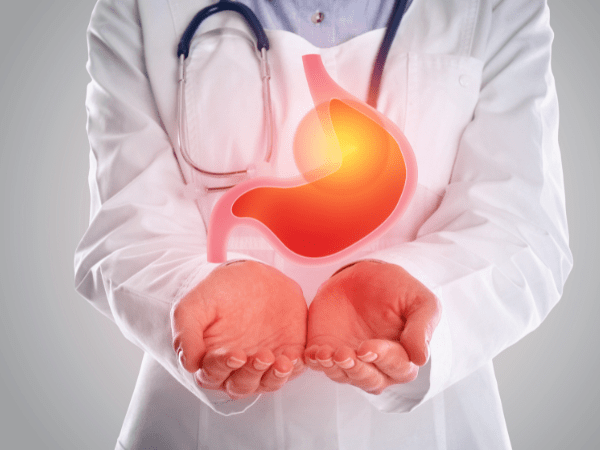
Gastric Conditions Treated
Dr. Yogesh Bang provides expert treatment for various gastric disorders, including:
- Gastritis
- Stomach Ulcers (Peptic Ulcers)
- Hyperacidity
- Acid Reflux (GERD)
- Indigestion (Dyspepsia)
- Stomach Infection
- Helicobacter pylori (H. pylori) Infection
- Gastric Polyps
- Gastric Bleeding
- Stomach Tumors
- Gastric Outlet Obstruction
- Functional Dyspepsia
- Chronic Gastric Pain
- Gastric Perforation
- Early Gastric Cancer
Each patient receives a personalized treatment plan based on symptoms, diagnosis, and overall health.
Symptoms of Gastric Disorders
Gastric problems can present with a variety of symptoms.
Common symptoms include:
- Burning sensation in the stomach
- Upper abdominal pain
- Heartburn
- Acid reflux
- Indigestion
- Nausea
- Vomiting
- Bloating
- Excessive burping
- Feeling full quickly
- Loss of appetite
- Unexplained weight loss
- Black stools
- Vomiting blood
- Difficulty swallowing
If symptoms persist for more than two weeks or become severe, seek immediate medical attention.
Causes of Gastric Disorders
Several factors can contribute to gastric diseases.
Common causes include:
- Helicobacter pylori (H. pylori) infection
- Excess stomach acid
- Long-term use of painkillers (NSAIDs)
- Smoking
- Excessive alcohol consumption
- Poor dietary habits
- Stress
- Acid reflux disease
- Obesity
- Spicy and oily foods
- Family history
- Certain autoimmune conditions
Identifying the underlying cause allows for more effective treatment.
Diagnosis of Gastric Disorders
Dr. Yogesh Bang performs a detailed evaluation to determine the exact cause of gastric symptoms.
Diagnostic tests may include:
- Medical history and physical examination
- Upper GI Endoscopy
- H. pylori testing
- Blood tests
- Stool examination
- Urea Breath Test
- Ultrasound Abdomen
- CT Scan
- Biopsy (if required)
- Liver Function Tests
These investigations help diagnose gastric diseases accurately and guide the most appropriate treatment.
Gastric Treatment Options
Treatment depends on the specific gastric condition and its severity.
Medications
Many gastric disorders improve with medications that reduce acid production, protect the stomach lining, or eliminate bacterial infections.
Treatment may include:
- Proton Pump Inhibitors (PPIs)
- H2 Receptor Blockers
- Antacids
- Antibiotics for H. pylori Infection
- Gastric Mucosal Protective Agents
- Prokinetic Medications
Endoscopic Treatment
Upper GI endoscopy helps diagnose and treat conditions such as bleeding ulcers, gastric polyps, and early-stage stomach tumors.
Laparoscopic Surgery
Minimally invasive surgery may be recommended for:
- Gastric perforation
- Gastric outlet obstruction
- Complicated stomach ulcers
- Early gastric cancer
- Certain benign stomach tumors
Laparoscopic surgery offers faster recovery and less postoperative discomfort.
Benefits of Early Gastric Treatment
Patients trust Dr. Yogesh Bang because of:
- Specialized Surgical Gastroenterology training
- Expertise in GI Oncology Surgery
- Advanced Laparoscopic Cancer Surgery
- Hepatobiliary Surgery expertise
- Pancreatic Surgery experience
- Colorectal Cancer Surgery specialization
- Patient-focused treatment approach
- Comprehensive pre-operative planning
- Personalized post-operative care
- Modern surgical techniques
Dr. Bang has significant experience performing advanced pancreatic resections and minimally invasive gastrointestinal surgeries for improved patient recovery.
Recovery and Lifestyle Changes
Along with medical treatment, healthy lifestyle habits improve recovery.
Patients should:
- Eat smaller, frequent meals.
- Avoid spicy and oily foods.
- Stop smoking.
- Limit alcohol intake.
- Stay hydrated.
- Avoid unnecessary painkillers.
- Maintain a healthy weight.
- Reduce stress.
- Follow prescribed medications.
- Attend regular follow-up appointments.
These measures help reduce symptom recurrence and support long-term stomach health.
Possible Complications if Left Untreated
Untreated gastric disorders may lead to:
- Stomach ulcers
- Internal bleeding
- Gastric perforation
- Chronic acid reflux
- Esophageal damage
- Gastric outlet obstruction
- Nutritional deficiencies
- Increased risk of stomach cancer in selected conditions
Timely treatment significantly lowers the risk of these complications.
Tips to Maintain a Healthy Stomach
Healthy habits help protect your digestive system.
- Eat a balanced diet.
- Avoid skipping meals.
- Drink enough water.
- Exercise regularly.
- Avoid smoking.
- Limit alcohol consumption.
- Reduce stress.
- Avoid unnecessary painkiller use.
- Seek early treatment for persistent acidity or stomach pain.