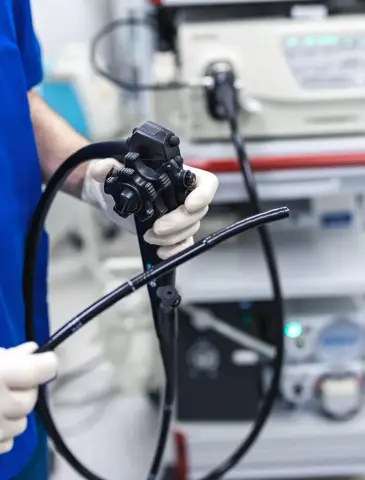

Gastrointestinal Specialist in Shahdol | Expert Care for Stomach, Liver, Intestine & Digestive Disorders
Digestive Conditions Evaluated by Dr. Yogesh Bang
Gastrointestinal symptoms can have different causes. Similar symptoms may occur in completely different digestive conditions. For example, abdominal pain may be related to gastritis, gallstones, pancreatic problems, intestinal disorders, or other conditions. A detailed assessment can help narrow down the possible cause.
Dr. Yogesh Bang provides evaluation for concerns such as:
▪ Acidity and acid reflux
▪ Gastritis and stomach ulcers
▪ Persistent abdominal pain
▪ Bloating and indigestion
▪ Constipation and diarrhea
▪ Difficulty swallowing
▪ Liver-related abnormalities
▪ Gallbladder and bile duct disorders
▪ Pancreatic conditions
▪ Intestinal and colorectal problems
The treatment approach depends on your diagnosis, symptoms, and overall health. Dr. Yogesh Bang may recommend medical treatment, dietary guidance, lifestyle changes, further testing, or procedural evaluation when required.
Evaluation of Persistent Abdominal Pain By Gastrointestinal Specialist in Shahdol
Abdominal pain can occur for many reasons. Its location, duration, intensity, and pattern can provide important information during a clinical evaluation. Pain after meals may have a different cause than pain that occurs at night or continues throughout the day. Therefore, persistent abdominal discomfort should not be managed through repeated self-medication. Dr. Yogesh Bang reviews the characteristics of your pain and looks for associated symptoms. These may include nausea, vomiting, bloating, appetite changes, bowel problems, fever, or unexplained weight changes. Previous reports and treatment history are also considered.
Depending on the findings, evaluation may include:
▪ Blood investigations
▪ Abdominal imaging
▪ Upper GI endoscopy
▪ Other gastrointestinal tests
▪ Follow-up assessment
The goal is to identify the possible source of pain and determine the most suitable next step.
Acidity, Reflux and Gastritis Care By Gastrointestinal Specialist in Shahdol
Acidity and acid reflux are common digestive complaints. Frequent heartburn, sour taste, regurgitation, belching, or upper abdominal discomfort can affect eating and daily activities. Gastritis may also cause indigestion, nausea, bloating, and stomach discomfort. Persistent symptoms may require evaluation to understand the underlying cause. Dr. Yogesh Bang reviews your eating habits, symptoms, previous medicines, medical history, and treatment response. If further evaluation is needed, he may recommend appropriate investigations or upper GI endoscopy.
Treatment may include:
▪ Medicines when appropriate
▪ Dietary modifications
▪ Lifestyle changes
▪ Further diagnostic evaluation
▪ Regular follow-up
The recommended treatment depends on the severity and cause of your symptoms.
Liver and Hepatobiliary Evaluation By Gastrointestinal Specialist in Shahdol
The liver, gallbladder, and bile ducts are closely connected to digestive health. Abnormal liver enzymes, fatty liver, hepatitis, jaundice, gallstones, or bile duct problems may require specialist evaluation. Some liver conditions may not cause noticeable symptoms during their early stages.
Dr. Yogesh Bang evaluates liver and hepatobiliary concerns using symptoms, medical history, laboratory reports, imaging findings, and other relevant information. Depending on your condition, he may recommend:
▪ Liver function tests
▪ Imaging studies
▪ FibroScan when clinically indicated
▪ Additional blood investigations
▪ Regular monitoring
Conditions such as fatty liver, hepatitis, liver fibrosis, cirrhosis, and abnormal liver reports can require different approaches. Therefore, treatment is planned according to the individual findings.
Gallbladder and Bile Duct Problems By Gastrointestinal Specialist in Shahdol
Gallbladder conditions can cause pain in the upper abdomen, nausea, vomiting, indigestion, or discomfort after meals. Gallstones are a common cause, but inflammation and bile duct abnormalities can also produce digestive symptoms. In some cases, bile duct obstruction may be associated with jaundice or abnormal liver reports. Dr. Yogesh Bang evaluates these concerns using clinical assessment and relevant diagnostic information. Depending on the suspected condition, further imaging or specialized gastrointestinal evaluation may be recommended.
Treatment can vary according to the cause. It may involve medical management, monitoring, endoscopic treatment, or surgical evaluation. The appropriate approach is determined after reviewing the patient’s symptoms and investigation findings.
Pancreatic and Digestive System Evaluation By Gastrointestinal Specialist in Shahdol
The pancreas plays an important role in digestion and metabolism. Pancreatic conditions can cause upper abdominal pain, nausea, vomiting, digestive changes, or pain that extends toward the back. Since these symptoms can resemble other gastrointestinal problems, proper assessment is important. Dr. Yogesh Bang reviews your symptoms, previous reports, medical history, and relevant investigations before recommending further evaluation. Depending on the clinical situation, assessment may focus on pancreatic inflammation, structural abnormalities, or pancreatobiliary disorders.
Further evaluation may involve:
▪ Blood tests
▪ Imaging
▪ Endoscopic assessment
▪ Pancreatobiliary evaluation
▪ Surgical consultation when required
Treatment depends on the underlying condition and its severity.
Upper GI Endoscopy By Gastrointestinal Specialist in Shahdol
Upper gastrointestinal endoscopy allows direct examination of the esophagus, stomach, and duodenum. It may be useful when persistent upper digestive symptoms require closer assessment. Dr. Yogesh Bang reviews your symptoms and medical history before recommending the procedure.
Endoscopy may help evaluate:
▪ Gastritis
▪ Stomach ulcers
▪ Duodenal ulcers
▪ Inflammation
▪ Upper GI bleeding
▪ Narrowing
▪ Other visible abnormalities
The procedure may also support selected therapeutic interventions when appropriate. The need for endoscopy depends on your symptoms and clinical findings.
Colonoscopy and Colorectal Evaluation By Gastrointestinal Specialist in Shahdol
Changes in bowel habits should be assessed when they persist or occur with other concerning symptoms. Chronic constipation, recurrent diarrhea, rectal bleeding, unexplained abdominal discomfort, and other colorectal complaints may require further evaluation.
Colonoscopy allows direct examination of the large intestine and rectum. Dr. Yogesh Bang may recommend it when the patient’s symptoms or clinical findings indicate that detailed colorectal assessment is appropriate.
Colonoscopy can help evaluate:
▪ Intestinal inflammation
▪ Polyps
▪ Ulcers
▪ Sources of bleeding
▪ Narrowing
▪ Other colorectal abnormalities
Further treatment depends on the findings and the patient’s overall condition.
Why Choose Dr. Yogesh Bang?
Choosing a gastrointestinal specialist is important when symptoms are persistent, complex, or difficult to understand. Dr. Yogesh Bang provides comprehensive evaluation for conditions involving multiple parts of the digestive system. His surgical gastroenterology expertise supports both medical and procedural assessment when required.
His approach includes detailed review of symptoms, previous reports, medicines, treatment history, and relevant investigations. He then recommends the next step according to the patient’s condition.
Patients may benefit from:
▪ Comprehensive gastrointestinal assessment
▪ Detailed review of medical history
▪ Evaluation of previous investigation reports
▪ Appropriate diagnostic planning
▪ Endoscopy and colonoscopy when indicated
▪ Liver and hepatobiliary assessment
▪ Pancreatobiliary evaluation
▪ Individualized treatment planning
▪ Follow-up for chronic conditions
Why Choose LGI Hospital for Gastrointestinal Care?
Digestive conditions can affect the stomach, intestines, liver, gallbladder, pancreas, and colorectal system. LGI Hospital provides comprehensive gastrointestinal care with specialist evaluation by Dr. Yogesh Bang. He reviews your symptoms, medical history, previous reports, and diagnostic findings before planning treatment.
▪ Complete digestive evaluation for gastrointestinal and hepatobiliary conditions
▪ Advanced diagnostics including endoscopy, colonoscopy, imaging, and FibroScan when required
▪ Medical and surgical expertise for complex digestive conditions
▪ Personalized treatment plans based on individual clinical findings
▪ Liver and biliary care for fatty liver, hepatitis, gallbladder, and bile duct concerns
▪ Ongoing follow-up for chronic or recurring digestive problems
If you are looking for a Gastrointestinal Specialist in Shahdol, Dr. Yogesh Bang at LGI Hospital provides focused evaluation and condition-specific digestive care.
Frequently Asked Questions (FAQ)