
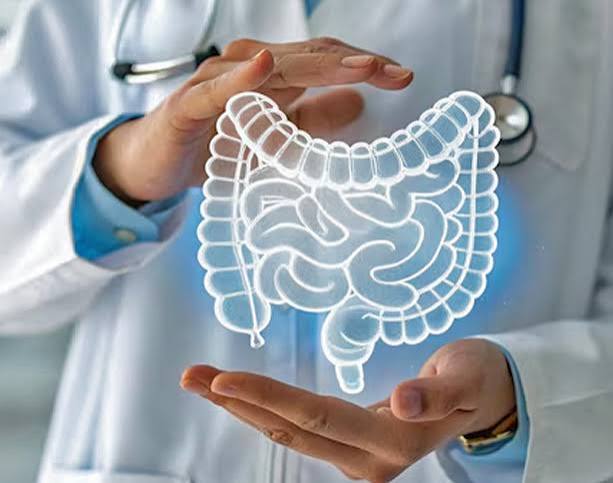
GI Surgeon in Nagpur for Advanced Digestive Care, Accurate Diagnosis, and Specialized Surgical Treatment with Dr.Yogesh Bang At LGI Hospitals
Digestive problems can interfere with eating habits, daily activities, and overall well-being. Although many conditions improve with medical treatment, others may require surgical intervention. Consulting a GI Surgeon in Nagpur helps patients understand the cause of their symptoms, explore suitable treatment options, and determine whether surgery is necessary based on their diagnosis and health needs.At LGI Hospitals, Dr. Yogesh Bang (MBBS, MS in General Surgery, DNB in Surgical Gastroenterology) evaluates and treats a broad range of digestive conditions that may require surgery. His approach combines detailed clinical assessment, appropriate surgical techniques, and individualized treatment planning to address each patient’s specific needs.
Some digestive disorders develop gradually and may initially cause only minor discomfort. Persistent or recurring digestive symptoms should be evaluated by a specialist to identify the underlying condition and guide suitable treatment. Timely care may also help prevent certain conditions from progressing to more serious complications.
Meet Dr. Yogesh Bang – Experienced GI Surgeon in Nagpur
What Does a GI Surgeon Treat?
A GI surgeon evaluates digestive conditions that may need surgery. Many gastrointestinal problems respond to medication. However, some require an operation depending on the diagnosis and severity.
Dr. Yogesh Bang assesses conditions affecting different parts of the digestive system, including:
▪ Esophagus and stomach
▪ Small and large intestines
▪ Colon and rectum
▪ Liver and gallbladder
▪ Pancreas and bile ducts
▪ Appendix and anal canal
Treatment depends on the patient’s condition and test results. Dr. Bang reviews symptoms and examination findings before recommending care. Options may include medication, monitoring, or surgery.
Conditions Treated by Dr. Yogesh Bang
Dr. Yogesh Bang provides surgical gastroenterology care at LGI Hospitals in Nagpur. He evaluates digestive disorders and recommends treatment based on each patient’s condition, symptoms, and medical history.
His areas of surgical care include:
▪ Gallbladder stones and bile duct disorders
▪ Hernias and appendicitis
▪ Severe acid reflux and hiatal hernia requiring surgery
▪ Liver cysts and tumours
▪ Pancreatic disorders, including chronic pancreatitis
▪ Gastrointestinal bleeding
▪ Intestinal obstruction
▪ Colorectal disorders
Treatment depends on the diagnosis and the patient’s overall health. Options may include medication, monitoring, or surgery when necessary.
Symptoms That Should Never Be Ignored
Digestive disorders can begin with mild discomfort. However, persistent or worsening symptoms may indicate an underlying problem. Early medical evaluation helps identify the cause and guide appropriate treatment.
Consult a GI Surgeon in Nagpur if you experience:
▪ Persistent abdominal pain or severe bloating
▪ Frequent vomiting or difficulty swallowing
▪ Recurrent acidity despite treatment
▪ Blood in stools or black-colored stools
▪ Ongoing constipation or diarrhea
▪ Unexplained weight loss
▪ Yellowing of the skin or eyes
▪ Rectal bleeding or painful bowel movements
▪ Repeated gallstone attacks
Persistent symptoms may require further investigation. A specialist can assess the condition and recommend suitable treatment. Seek urgent medical care for severe abdominal pain, significant bleeding, or persistent vomiting.
Expertise in Advanced Gastrointestinal Surgery
Patient-Centered Care at Matruchhaya Surgical Gastroenterology Clinic
Advanced Surgical Treatments Offered by GI Surgeon in Nagpur
Advancements in gastrointestinal surgery have made it possible to treat many digestive disorders with greater precision and improved safety. At Matruchhaya Surgical Gastroenterology Clinic, Dr. Yogesh Bang offers comprehensive surgical care for diseases affecting the digestive tract, liver, gallbladder, pancreas, colon, and rectum. Every treatment plan is developed after a detailed clinical evaluation, ensuring that each patient receives the most appropriate surgical solution.
His surgical expertise includes laparoscopic gallbladder surgery, appendectomy, hernia repair, hepatobiliary surgery, pancreatic surgery, colorectal surgery, gastrointestinal cancer surgery, and procedures for anorectal disorders such as piles, fissures, and fistulas. Furthermore, each procedure follows evidence-based clinical protocols that help reduce surgical risks and improve recovery. Rather than recommending surgery for every condition, Dr. Bang carefully evaluates whether medication, lifestyle modification, or minimally invasive surgery provides the best long-term solution.
Benefits of Minimally Invasive Gastrointestinal Surgery
Minimally invasive gastrointestinal surgery treats certain digestive conditions through small incisions. It uses specialized instruments and a camera to perform procedures with less disruption to surrounding tissues.
▪ Smaller incisions and reduced scarring
▪ Less postoperative discomfort
▪ Reduced blood loss in suitable cases
▪ Fewer wound-related complications
▪ Faster wound healing
▪ Shorter hospital stays when appropriate
▪ Earlier return to daily activities
▪ Better cosmetic results
▪ Less tissue damage
▪ Greater comfort during recovery
Laparoscopic surgery may offer these benefits for selected patients. However, outcomes and recovery times vary based on the procedure, the patient’s health, and the complexity of the condition.
Recovery After Gastrointestinal Surgery by a GI Surgeon in Nagpur
Recovery after gastrointestinal surgery varies according to the procedure performed, the patient’s health, and the body’s healing process. At LGI Hospitals, Dr. Yogesh Bang guides patients through post-surgical care and explains the precautions needed during recovery.
▪ Diet and Hydration: Follow the recommended diet and drink fluids as advised to support healing and digestive function.
▪ Surgical Wound Care: Keep the incision area clean and follow the wound-care instructions given by your healthcare team.
▪ Movement and Rest: Begin walking and return to routine activities gradually, based on your doctor’s advice.
▪ Medicines and Follow-Ups: Take prescribed medications correctly and attend follow-up visits to monitor your progress.
▪ Watch for Warning Signs: Seek medical advice if you develop fever, increasing abdominal pain, persistent vomiting, or unusual discharge from the wound.
Following your surgeon’s instructions can help manage recovery and identify potential complications early. Recovery time differs for each patient, so follow-up care should be tailored to your procedure and progress.
Personalized Care Before, During, and After Surgery
Why Choose Dr.Yogesh Bang At LGI Hospital in Nagpur ?
Frequently Asked Questions (FAQ )
A GI surgeon specializes in the surgical treatment of diseases affecting the digestive system, including the esophagus, stomach, liver, gallbladder, pancreas, intestines, colon, rectum, and anus.
You should consult a GI surgeon if you experience persistent abdominal pain, gallstones, hernia, gastrointestinal bleeding, chronic digestive symptoms, unexplained weight loss, or difficulty swallowing.
No. Many digestive disorders improve with medication and lifestyle changes. Surgery is recommended only when conservative treatment is ineffective or when surgical intervention provides the best long-term outcome.
Yes. Laparoscopic surgery is considered a safe and effective option for many gastrointestinal conditions. It generally results in less pain, smaller scars, quicker recovery, and shorter hospital stays.
Book an Appointment With Dr.Yogesh Bang - GI Surgeon in Nagpur
Your digestive health deserves careful attention and appropriate treatment. If you have persistent abdominal pain, gallstones, a hernia, severe acid reflux, or liver and pancreatic conditions, consult Dr. Yogesh Bang at LGI Hospitals, Nagpur, for a detailed assessment and suitable treatment options.
Why Choose Dr. Yogesh Bang?
▪ Specialized training in surgical gastroenterology
▪ Evaluation of a wide range of digestive disorders
▪ Minimally invasive surgical options when appropriate
▪ Treatment plans based on individual medical needs
▪ Guidance on post-operative care and recovery
Take the next step towards better digestive health. Contact LGI Hospitals to schedule a consultation with Dr. Yogesh Bang and discuss the most appropriate care for your condition.