
Advanced Jaundice Treatment by Dr. Yogesh Bang at LGI Hospital
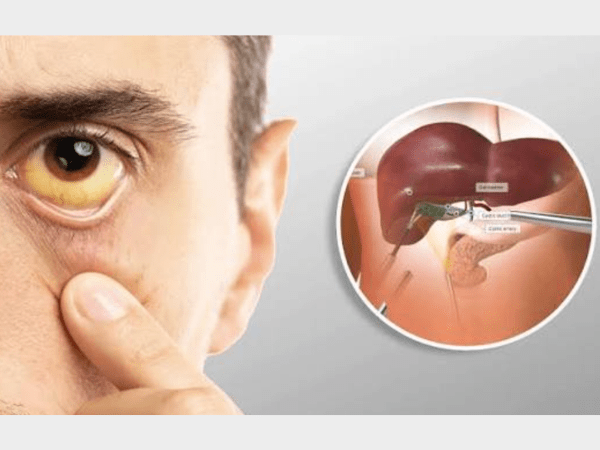
What is Jaundice?
Types of Jaundice
Dr. Yogesh Bang diagnoses and treats different types of jaundice, including:
Hepatocellular Jaundice
This type occurs due to liver diseases such as hepatitis, fatty liver disease, cirrhosis, or liver cancer.
Obstructive Jaundice
Obstructive jaundice develops when bile flow is blocked by gallstones, bile duct strictures, pancreatic disorders, or tumors.
Hemolytic Jaundice
This form results from excessive destruction of red blood cells, leading to increased bilirubin production.
Accurate diagnosis helps determine the most effective treatment approach.
Symptoms of Jaundice
Patients with jaundice may experience:
- Yellowing of the skin
- Yellowing of the eyes
- Dark-colored urine
- Pale or clay-colored stools
- Itchy skin
- Fatigue
- Fever
- Nausea
- Vomiting
- Loss of appetite
- Weight loss
- Abdominal pain
- Swelling of the abdomen
- Right upper abdominal discomfort
If jaundice is accompanied by severe abdominal pain, confusion, or high fever, immediate medical attention is necessary.
Causes of Jaundice
Several conditions can cause jaundice.
Common causes include:
- Hepatitis A, B, C, D, or E
- Fatty liver disease
- Liver cirrhosis
- Gallstones
- Bile duct blockage
- Pancreatic disorders
- Liver cancer
- Bile duct cancer
- Autoimmune liver disease
- Alcohol-related liver disease
- Certain medications
- Blood disorders
Early identification of the cause is essential for successful treatment.
Diagnosis of Jaundice
Dr. Yogesh Bang performs a comprehensive evaluation to determine the exact cause of jaundice.
Diagnostic investigations may include:
- Medical history
- Physical examination
- Liver Function Tests (LFTs)
- Complete Blood Count (CBC)
- Bilirubin levels
- Viral Hepatitis Profile
- Ultrasound Abdomen
- CT Scan
- MRI or MRCP
- Endoscopic Retrograde Cholangiopancreatography (ERCP), when indicated
- Liver Biopsy (selected patients)
- Tumor marker tests
These investigations help identify liver disease, bile duct obstruction, gallstones, or tumors.
Jaundice Treatment Options
Treatment depends on the underlying cause.
Medical Management
Patients may receive:
- Medications for viral hepatitis
- Antibiotics for infections
- Liver-supportive medications
- Nutritional therapy
- Intravenous fluids when required
Endoscopic Procedures
Advanced endoscopic procedures may be recommended to relieve bile duct obstruction.
These include:
- ERCP for bile duct stones
- Biliary stent placement
- Stone removal
- Bile duct drainage
Laparoscopic Surgery
Minimally invasive surgery may be recommended for:
- Gallstone disease
- Gallbladder disorders
- Certain bile duct conditions
Benefits include:
- Smaller incisions
- Less postoperative pain
- Faster recovery
- Shorter hospital stay
Advanced Liver and Hepatobiliary Surgery
Dr. Yogesh Bang provides surgical management for:
- Liver tumors
- Bile duct tumors
- Complex hepatobiliary diseases
- Selected pancreatic disorders
Benefits of Early Jaundice Treatment
Early diagnosis and treatment provide several important benefits.
These include:
- Faster recovery
- Prevention of liver damage
- Improved liver function
- Relief from itching and discomfort
- Lower risk of liver failure
- Prevention of bile duct complications
- Better long-term health
- Improved quality of life
Therefore, prompt medical evaluation is essential whenever jaundice develops.
Recovery and Lifestyle Tips
Patients can support liver recovery by following healthy habits.
- Take prescribed medications regularly.
- Avoid alcohol completely.
- Eat a balanced, nutritious diet.
- Stay hydrated.
- Maintain a healthy body weight.
- Avoid self-medication.
- Get adequate rest.
- Attend regular follow-up appointments.
- Monitor liver function as advised.
These measures help improve recovery and protect long-term liver health.
Possible Complications if Left Untreated
Untreated jaundice may result in:
- Liver failure
- Liver cirrhosis
- Severe infections
- Bile duct obstruction
- Liver cancer
- Kidney complications
- Permanent liver damage
- Life-threatening illness
Timely treatment significantly reduces these risks.
Tips to Prevent Jaundice
Simple lifestyle measures help protect your liver.
- Get vaccinated against Hepatitis A and B.
- Practice good hand hygiene.
- Drink clean and safe water.
- Eat hygienically prepared food.
- Avoid excessive alcohol consumption.
- Maintain a healthy weight.
- Exercise regularly.
- Avoid unnecessary medications.
- Schedule routine liver health check-ups.