
Advanced Liver Surgery by Dr. Yogesh Bang at LGI Hospital
What is Liver Surgery?
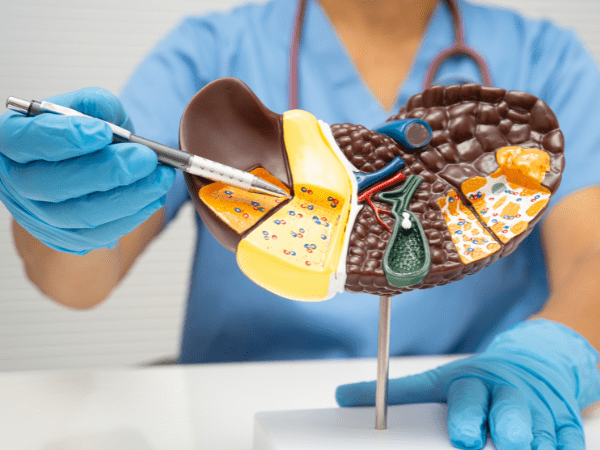
Conditions Treated with Liver Surgery
Dr. Yogesh Bang provides surgical treatment for numerous liver conditions, including:
- Liver cancer (Hepatocellular Carcinoma)
- Secondary (Metastatic) Liver Cancer
- Benign Liver Tumors
- Liver Cysts
- Hydatid Liver Cysts
- Liver Abscess
- Liver Hemangioma
- Focal Nodular Hyperplasia
- Liver Adenoma
- Bile Duct Injuries
- Liver Trauma
- Selected Gallbladder Cancers Involving the Liver
- Cholangiocarcinoma (Bile Duct Cancer)
- Complex Hepatobiliary Disorders
Each patient receives individualized care based on imaging findings, liver function, and disease stage.
Symptoms That May Indicate Liver Disease
Many liver diseases may not cause symptoms during their early stages. However, patients should seek medical evaluation if they experience:
- Persistent upper abdominal pain
- Right-sided abdominal discomfort
- Unexplained weight loss
- Loss of appetite
- Persistent fatigue
- Yellowing of the eyes or skin (Jaundice)
- Abdominal swelling
- Fever with liver abscess
- Nausea and vomiting
- Dark-colored urine
- Pale stools
- Itching
- Abdominal lump
Early diagnosis significantly improves treatment success.
Causes of Liver Diseases
Several conditions can affect liver health.
Common causes include:
- Hepatitis B infection
- Hepatitis C infection
- Fatty liver disease
- Alcohol-related liver disease
- Liver tumors
- Genetic liver disorders
- Parasitic infections
- Liver trauma
- Obesity
- Diabetes
- Smoking
- Family history of liver cancer
Maintaining a healthy lifestyle and undergoing regular medical check-ups help reduce the risk of serious liver disease.
Diagnosis Before Liver Surgery
Dr. Yogesh Bang performs a thorough evaluation before recommending liver surgery.
Diagnostic investigations may include:
- Physical examination
- Liver Function Tests (LFT)
- Complete Blood Tests
- Viral Hepatitis Screening
- Ultrasound Abdomen
- Triple Phase CT Scan
- MRI Liver
- MRCP
- PET-CT Scan (when required)
- Tumor Marker Tests
- Liver Biopsy (selected cases)
These investigations help determine the exact diagnosis and guide the most appropriate treatment.
Types of Liver Surgery
Liver Resection (Hepatectomy)
Liver resection removes the diseased portion of the liver while preserving healthy liver tissue. It is commonly performed for liver cancer, metastatic tumors, and certain benign liver lesions.
Laparoscopic Liver Surgery
Whenever suitable, laparoscopic liver surgery is performed through small incisions using advanced surgical instruments.
Benefits include:
- Smaller scars
- Less postoperative pain
- Faster recovery
- Reduced blood loss
- Lower infection risk
- Shorter hospital stay
Liver Cyst Surgery
Large or symptomatic liver cysts may require surgical removal or drainage to relieve symptoms and prevent complications.
Liver Abscess Surgery
Some liver abscesses require surgical drainage when antibiotics or image-guided drainage are insufficient.
Surgery for Liver Trauma
Emergency liver surgery helps control bleeding and repair liver injuries caused by accidents or trauma.
Benefits of Minimally Invasive Liver Surgery
Whenever appropriate, minimally invasive liver surgery provides several advantages.
These include:
- Smaller incisions
- Less pain
- Faster wound healing
- Minimal blood loss
- Reduced hospital stay
- Quicker return to work
- Lower complication rates
- Better cosmetic results
Consequently, patients often experience a smoother and faster recovery.
Recovery After Liver Surgery
Recovery depends on the type of procedure and the patient’s overall health.
Most patients can expect:
- Close monitoring after surgery
- Early mobilization
- Pain management
- Gradual progression to a normal diet
- Regular liver function monitoring
- Follow-up imaging when required
- Gradual return to normal activities over several weeks
Following postoperative instructions is essential for optimal recovery.
Possible Risks and Complications
Although liver surgery is generally safe in experienced hands, every operation carries some risks.
Possible complications include:
- Bleeding
- Infection
- Bile leakage
- Temporary liver dysfunction
- Blood clots
- Wound complications
- Fluid collection
- Anesthesia-related complications
Dr. Yogesh Bang follows advanced surgical protocols to minimize these risks and ensure patient safety.
Tips to Maintain Liver Health
Healthy lifestyle choices support long-term liver function.
Follow these recommendations:
- Maintain a healthy weight.
- Eat a balanced diet rich in fruits and vegetables.
- Exercise regularly.
- Limit alcohol consumption.
- Avoid smoking.
- Get vaccinated against Hepatitis B.
- Manage diabetes effectively.
- Avoid unnecessary medications.
- Undergo regular health check-ups if you have chronic liver disease.