
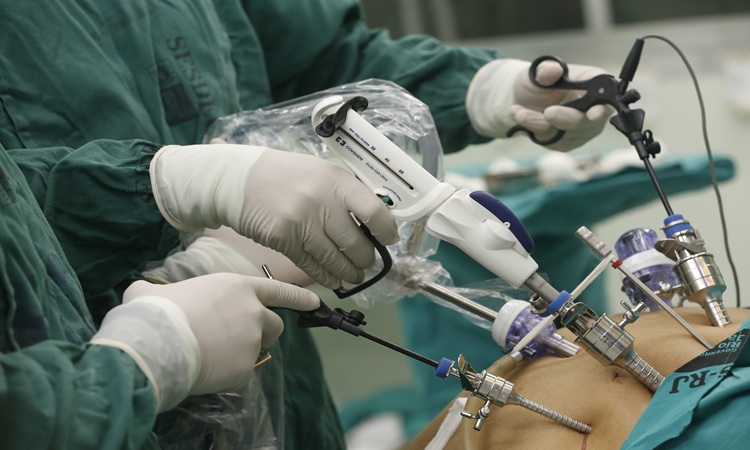
If you need a Laparoscopic Surgeon in Nagpur, Dr. Yogesh Bang at LGI Hospitals offers surgical evaluation and treatment for various abdominal conditions. Each case is assessed individually to determine whether minimally invasive surgery is appropriate. The treatment approach focuses on accurate diagnosis, suitable surgical techniques, patient safety, and recovery support to help patients return to their daily activities as their condition improves.
Dr. Yogesh Bang at LGI Hospitals in Nagpur uses laparoscopic techniques for suitable surgical conditions. These procedures involve small incisions, a camera, and specialized instruments to access the affected area. When appropriate, this approach may reduce postoperative discomfort, limit visible scarring, and support an earlier return to daily activities compared with open surgery. Before recommending a procedure, Dr. Bang reviews the patient’s symptoms, medical history, diagnostic reports, and overall health. This assessment helps determine the most suitable surgical method. Each treatment plan considers the patient’s diagnosis, individual needs, potential risks, and expected recovery period.
Why Choose Our Laparoscopic Surgeon In Nagpur?
Choosing a qualified laparoscopic surgeon is an important step when considering abdominal surgery. At LGI Hospitals in Nagpur, Dr. Yogesh Bang assesses each patient’s medical condition and suggests appropriate surgical treatments based on the diagnosis and clinical evaluation. His approach emphasizes careful planning, appropriate techniques, and patient safety throughout treatment.
▪ Individualized treatment plans based on the diagnosis.
▪ Minimally invasive techniques when clinically suitable.
▪ Careful surgical planning to address the underlying condition.
▪ Guidance before surgery and throughout recovery.
▪ Monitoring to identify and manage potential complications.
▪ Follow-up care to assess healing and recovery progress.
Laparoscopic surgery may offer benefits such as smaller incisions, reduced postoperative discomfort, and shorter hospital stays in suitable cases. However, results and recovery times vary depending on the procedure and the patient’s health. Dr. Yogesh Bang explains the available surgical approaches, their potential benefits, and associated risks to help patients choose a suitable treatment plan.
Key Reasons to Consult a Laparoscopic Surgeon : Our Highlights
▪ Experienced Laparoscopic Surgeon: Specialized surgical care for suitable abdominal conditions.
▪ Minimally Invasive Techniques: Advanced laparoscopic procedures when clinically appropriate.
▪ Modern Surgical Equipment: High-definition technology to support precise surgical treatment.
▪ Personalized Treatment Plans: Care tailored to each patient’s diagnosis and medical needs.
▪ Well-Equipped Operation Theatre: Modern facilities to support surgical procedures.
▪ Comprehensive Preoperative Evaluation: Detailed assessment for accurate diagnosis and treatment planning.
▪ Evidence-Based Surgical Care: Appropriate treatment approaches with a focus on patient safety.
▪ Recovery Guidance: Individualized instructions to support healing and a gradual return to daily activities.
▪ Cost-Conscious Treatment Options: Surgical care planned according to medical requirements and available options.
▪ Postoperative Follow-Up: Regular monitoring to assess healing and address recovery-related concerns.
Types Of Hernia we Treated By Laparoscopic Surgery
1. Inguinal Hernia
▪ Develops in the groin and is more common in men.
▪ May cause pain during lifting or physical activity.
2.Umbilical Hernia
▪ Appears near the belly button.
▪ Causes swelling around the navel.
3.Incisional Hernia
▪ Develops at a previous surgical incision.
▪ Occurs due to weakness in the abdominal wall.
4. Femoral Hernia
▪ Occurs below the groin, near the upper thigh.
▪ Requires prompt evaluation due to complication risks.
5. Hiatal Hernia
▪ Occurs when part of the stomach moves through the diaphragm.
▪ May cause heartburn and acid reflux.
Conditions Treated by Dr. Yogesh Bang - Laparoscopic Surgeon in Nagpur
Dr. Yogesh Bang at LGI Hospitals in Nagpur evaluates various abdominal and digestive disorders to determine whether laparoscopic surgery is appropriate.
▪ Gallbladder stones.
▪ Hernia and hiatal hernia.
▪ Appendicitis.
▪ Gastroesophageal reflux disease (GERD).
▪ Selected colon and rectal disorders.
▪ Liver cysts and selected liver tumours.
▪ Pancreatic and bile duct diseases.
▪ Intestinal obstruction.
▪ Gastrointestinal tumours.
▪ Piles and anal fissures.
▪ Fistula-in-ano.
Before recommending surgery, Dr. Bang assesses the patient’s symptoms, medical history, and diagnostic reports. Treatment is tailored to the condition, its severity, and the patient’s overall health. Laparoscopic surgery is considered when clinically suitable.
Signs That You May Need Laparoscopic Surgery in Nagpur
Some digestive conditions cause mild symptoms initially but may worsen over time. Consult Dr. Yogesh Bang at LGI Hospitals in Nagpur if you experience:
▪ Persistent abdominal pain.
▪ Recurrent gallstone attacks.
▪ Frequent acidity or acid reflux.
▪ Difficulty swallowing.
▪ Repeated vomiting.
▪ Abdominal swelling or bloating.
▪ Chronic constipation or diarrhea.
▪ Blood in the stool or rectal bleeding.
▪ Unexplained weight loss.
▪ Yellowing of the skin or eyes.
▪ Pain during bowel movements.
▪ Swelling associated with a hernia.
Persistent symptoms require proper medical evaluation. Early diagnosis helps identify the underlying cause and determine suitable treatment.
Expertise in Advanced Laparoscopic Surgery in Nagpur
Benefits of Laparoscopic Surgery in Nagpur
▪ Smaller Incisions: Minimally invasive techniques require smaller cuts.
▪ Less Postoperative Pain: Patients may experience less discomfort after surgery.
▪ Reduced Scarring: Smaller incisions may leave less visible scars.
▪ Faster Recovery: Suitable procedures may support an earlier return to daily activities.
▪ Shorter Hospital Stay: Some patients can return home sooner.
▪ Less Tissue Damage: Laparoscopic techniques may reduce disruption to surrounding tissues.
▪ Lower Risk of Wound Complications: Smaller incisions may reduce certain wound-related risks.
▪ Improved Surgical Precision: A camera provides a magnified view of the operating area.
▪ Personalized Treatment: Dr. Yogesh Bang at LGI Hospitals in Nagpur recommends suitable procedures based on each patient’s condition.
The benefits depend on the procedure, the patient’s health, and the complexity of the condition. Laparoscopic surgery is not suitable for every patient.
Patient-Centered Care At LGI Hospitals in Nagpur
Advanced Laparoscopic Procedures Offered By Laparoscopic Surgeon in Nagpur
Common laparoscopic procedures include:
▪ Laparoscopic gallbladder removal for gallstones.
▪ Laparoscopic hernia repair.
▪ Laparoscopic appendectomy.
▪ Anti-reflux surgery for GERD.
▪ Hiatal hernia repair.
▪ Colorectal surgery.
▪ Selected laparoscopic liver procedures.
▪ Pancreatic surgery in suitable cases.
▪ Surgery for intestinal disorders.
▪ Surgery for selected gastrointestinal cancers.
▪ Adhesiolysis for intestinal obstruction caused by adhesions.
▪ Minimally invasive procedures for selected bile duct conditions.
Dr. Bang assesses each patient’s symptoms, medical history, and diagnostic reports before recommending surgery.
Recovery After Laproscopic Surgery in Nagpur
Recovery after laparoscopic surgery depends on the procedure and the patient’s health. Dr. Yogesh Bang at LGI Hospitals in Nagpur provides guidance to support healing and a safe return to routine activities.
▪ Take prescribed medications as directed.
▪ Follow the recommended diet.
▪ Drink enough fluids and get adequate rest.
▪ Keep surgical wounds clean as instructed.
▪ Avoid heavy lifting until approved by your doctor.
▪ Resume daily activities gradually.
▪ Attend scheduled follow-up visits.
▪ Contact your doctor if you develop a fever, increasing pain, or unusual wound discharge.
▪ Follow postoperative instructions to support healing and reduce complications.
▪ Laparoscopic surgery may allow faster recovery than open surgery, depending on the procedure and your health.
Why Choose Dr. Yogesh Bang as Your Laparoscopic Surgeon in Nagpur?
Key aspects of his surgical care include:
▪ MBBS, MS in General Surgery, and DNB in Surgical Gastroenterology.
▪ Specialized training in gastrointestinal surgery.
▪ Thorough clinical assessment before surgery.
▪ Treatment plans tailored to individual needs.
▪ Minimally invasive techniques when appropriate.
▪ Transparent discussions about treatment options and risks.
▪ Attention to patient safety and comfort.
▪ Guidance on surgical preparation and recovery.
▪ Regular postoperative follow-up.
▪ Focus on long-term digestive health.
Dr. Bang explains the recommended procedure, potential benefits, possible risks, and expected recovery time.
Why Choose LGI Hospitals in Nagpur ?
LGI Hospitals is dedicated to providing advanced gastrointestinal care using modern technology, evidence-based treatment, and compassionate patient support. Every patient receives individualized attention from consultation through complete recovery.
Frequently Asked Questions (FAQ)
Laparoscopic surgery is a minimally invasive surgical technique performed through small incisions using a camera and specialized instruments. It allows surgeons to perform complex procedures with greater precision and less tissue damage.
It is recommended for many conditions, including gallstones, hernia, appendicitis, acid reflux, colorectal diseases, liver disorders, and selected pancreatic conditions, depending on the patient’s diagnosis.
Most patients experience significantly less pain after laparoscopic surgery compared to traditional open surgery because the incisions are much smaller.
Recovery depends on the procedure performed and the patient’s overall health. However, patients undergoing laparoscopic surgery generally recover faster and return to normal activities sooner.
Recovery depends on the operation performed and the patient’s health. Some patients resume routine activities within a few days, while others need several weeks. Following postoperative instructions helps support healing.
Book an Appointment | Laparoscopic Surgeon In Nagpur
Persistent abdominal pain, gallstones, hernias, acid reflux, and other digestive problems may require specialist evaluation. Dr. Yogesh Bang at LGI Hospitals in Nagpur assesses these conditions and recommends suitable treatment based on each patient’s diagnosis and medical needs.
Why Consult Dr. Yogesh Bang?
▪ Specialized care for gastrointestinal conditions.
▪ Laparoscopic and advanced GI surgical procedures.
▪ Individualized treatment recommendations.
▪ Clear guidance throughout the treatment process.
▪ Postoperative support and recovery monitoring.
Do not ignore persistent digestive symptoms. Book a consultation with Dr. Yogesh Bang at LGI Hospitals in Nagpur to discuss your concerns, understand available treatment options, and take an informed step towards better digestive health.