
If you are searching for the Best Hernia Surgeon In Nagpur, you deserve expert care, advanced treatment, and compassionate support throughout your recovery. A hernia can cause discomfort, pain, and limitations in your daily activities. At LGI Hospitals, Dr. Yogesh Bang evaluates each hernia case by considering the patient’s symptoms, medical history, and overall health. Based on this assessment, he recommends a suitable treatment approach.
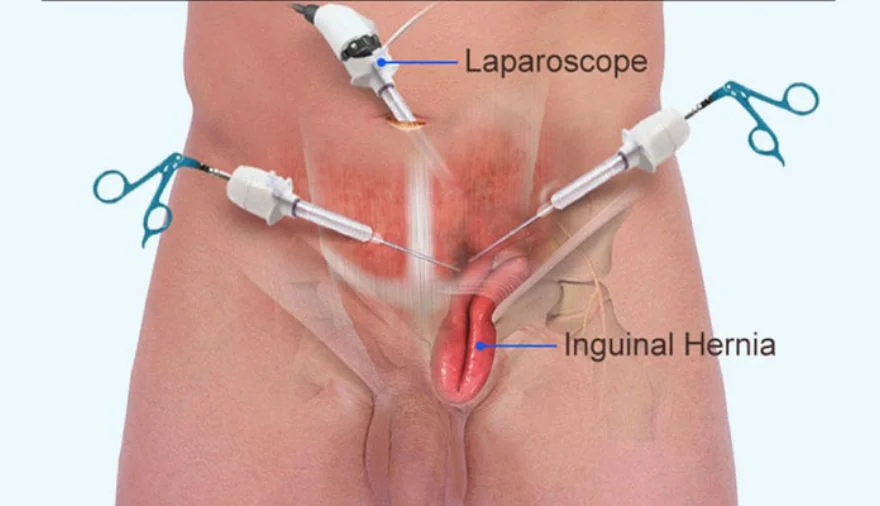
Depending on the type and severity of the hernia, treatment may involve laparoscopic or open surgery. The aim is to repair the weakened tissue, address discomfort, and support a safe recovery. Patients with inguinal, umbilical, incisional, or ventral hernias can consult Dr. Yogesh Bang at LGI Hospitals to understand their condition and discuss appropriate treatment options.
Why Choose the Best Hernia Surgeon In Nagpur?
We believe every patient deserves personalized attention from consultation to complete recovery. Therefore, we explain every treatment option clearly, answer all your questions, and create a customized surgical plan that suits your condition and lifestyle.
What Happens When a Hernia Develops?
Some people notice a lump in the abdomen or groin, while others experience pressure, tenderness, or discomfort during everyday activities. Coughing, bending, lifting, and prolonged standing may make these symptoms more noticeable.
Types Of Hernia Treated By Dr. Yogesh Bang
Hernias occur when tissue pushes through a weakened muscle or surrounding structure. Identifying the type helps determine suitable treatment.
1. Inguinal Hernia
Develops in the groin and may cause a bulge, pain, or discomfort during lifting and coughing.
2. Umbilical Hernia
Develops around the navel when tissue pushes through a weakened area of the abdominal wall.
3. Incisional Hernia
Forms at the site of a previous surgery due to weakness in the abdominal wall.
4. Femoral Hernia
Occurs near the upper thigh, below the groin, and carries a higher risk of complications.
5. Ventral Hernia
Develops through a weak area in the front abdominal wall and may cause visible swelling.
6. Hiatal Hernia
It may cause heartburn or acid reflux. Happens when the upper stomach protrudes through an opening in the diaphragm into the chest.
When Should You Seek Treatment for a Hernia?
Not every hernia causes immediate pain. However, some can enlarge or lead to complications over time. Consulting a qualified surgeon helps you understand the condition and the available treatment options. If you are looking for the Best Hernia Surgeon in Nagpur, a timely assessment can help determine whether monitoring or surgical repair is appropriate for your situation.
Common Types of Hernia We Treat
Our Key Features
▪ Skilled surgical care for different types of hernias
▪ Laparoscopic hernia repair when clinically suitable
▪ Open surgical repair for cases that require it
▪ Minimally invasive options based on individual needs
▪ Thorough assessment before surgery
▪ Well-equipped surgical facilities
▪ Careful attention to patient safety
▪ Recovery guidance tailored to the procedure
▪ Individualized treatment and counselling
▪ Clear information about treatment costs
▪ Follow-up support after surgery.
Symptoms of Hernia Treated By Best Hernia Surgeon In Nagpur
Recognizing hernia symptoms can help you seek medical advice at the right time. Consult a surgeon if you notice any of the following signs:
▪ A noticeable lump in the abdomen or groin
▪ Discomfort when lifting or carrying heavy objects
▪ An aching, burning, or pulling sensation
▪ Swelling that becomes more prominent when standing
▪ A feeling of pressure or heaviness in the affected area
▪ Persistent discomfort around the groin
▪ Pain that worsens during coughing, bending, or straining
▪ Ongoing abdominal discomfort
▪ Difficulty carrying out everyday activities
▪ Nausea or vomiting, which may indicate a serious complication.
Seek urgent medical attention if you experience sudden severe pain, repeated vomiting, or a bulge that becomes hard or cannot be pushed back.
Causes of Hernia By Best Hernia Surgeon In Nagpur
Certain medical conditions and everyday activities can increase the likelihood of developing a hernia. Understanding these risk factors can help you take appropriate steps to protect your abdominal health.
Common Risk Factors
▪ Naturally weak abdominal muscles
▪ Repeated heavy lifting or excessive straining
▪ Long-lasting cough
▪ Excess body weight
▪ Frequent straining during bowel movements
▪ Increased abdominal pressure during pregnancy
▪ Weakness around a previous surgical incision
▪ Age-related changes in muscle strength
▪ Family history of hernias
▪ Repetitive physical activities that strain the abdominal wall.
Hernia Treatment Options Treated By Best Hernia Surgeon In Nagpur
Hernia treatment depends on the type of hernia, its size, associated symptoms, and your general health. After evaluating your condition, the surgeon will explain the available options and recommend an appropriate approach.
Laparoscopic Hernia Repair
Laparoscopic hernia repair involves small incisions and specialized instruments to correct the weakened area. This technique may be suitable for selected patients. The expected recovery and potential benefits depend on the procedure and individual circumstances.
Benefits of Laparoscopic Repair - Best Hernia Surgeon In Nagpur
▪ Smaller surgical incisions
▪ Less postoperative discomfort in suitable cases
▪ Smaller visible scars
▪ Potentially shorter hospital stays
▪ Reduced blood loss in some procedures
▪ Earlier return to routine activities when recovery permits
▪ Less disruption to surrounding tissues in appropriate cases
Our Hernia Treatment Process - Steps Involved in Hernia Treatment
1. Consultation and Diagnosis
The surgeon reviews your symptoms, medical history, and physical examination findings. If necessary, an ultrasound or CT scan may help confirm the diagnosis and assess the hernia.
2. Individualized Treatment Planning
Your treatment plan considers the hernia’s location, size, symptoms, and your overall health. The surgeon explains whether observation, laparoscopic repair, or open surgery may be appropriate.
3. Surgical Repair
When surgery is recommended, the surgeon selects a suitable technique based on your condition. The procedure aims to repair the weakened area, with mesh reinforcement used when appropriate. Patient safety and careful surgical planning remain important throughout treatment.
4. Recovery and Follow-Up
After surgery, you receive instructions about wound care, medication, diet, and physical activity. Follow-up appointments help assess healing and address any concerns. Your surgeon will guide you on when to resume work, exercise, and heavy lifting.
Benefits of Choosing Experienced Hernia Care
Proper assessment and an individualized treatment approach help patients make informed decisions about hernia repair. The focus remains on suitable treatment, patient safety, and recovery support.
Benefits of Choosing the Best Hernia Surgeon In Nagpur
Key Benefits
▪ Specialist consultation and clinical assessment
▪ Diagnostic testing when medically necessary
▪ Access to laparoscopic and open repair options
▪ Treatment recommendations tailored to individual needs
▪ Well-equipped surgical facilities
▪ Clear explanations of procedures and potential risks
▪ Guidance throughout postoperative recovery
▪ Monitoring for possible complications
▪ Supportive care from the medical team
▪ Follow-up appointments to assess healing
▪ Advice on returning to everyday activities safely
When Is Hernia Surgery Recommended?
Surgery may be advised when a hernia causes persistent discomfort, continues to enlarge, or interferes with everyday activities. A hernia that becomes trapped or blocks the intestine requires urgent medical assessment. Sudden severe pain, vomiting, or a firm bulge that cannot be pushed back may indicate a serious complication. Seek emergency care if these symptoms occur. Consulting the Best Hernia Surgeon in Nagpur can help you understand the available treatment options and decide on the appropriate next step.
Recovery After Hernia Surgery By Best Hernia Surgeon In Nagpur
Healing time varies depending on the surgical technique, the type of hernia, and your overall health. Following your surgeon’s instructions can help support recovery and reduce complications. Walk gently as advised, eat balanced meals, and keep the surgical wound clean. Avoid heavy lifting and strenuous exercise until your surgeon confirms that these activities are safe. Attend follow-up appointments to monitor healing and discuss any concerns.
Why Patients Trust Our Hernia Care
Frequently Asked Questions | Best Hernia Surgeon In Nagpur
Modern hernia surgery uses advanced anesthesia and minimally invasive techniques. Therefore, most patients experience only mild discomfort during recovery.
Recovery depends on the type of surgery and your overall health. Moreover, many patients return to routine activities within a few weeks after laparoscopic surgery.
No. Hernias do not heal naturally. Therefore, surgery remains the only permanent treatment for most hernias.
Yes. Moreover, laparoscopic surgery offers excellent safety, faster recovery, smaller scars, and less post-operative discomfort when performed by an experienced surgeon.
Book an Appointment | Best Hernia Surgeon In Nagpur
Digestive problems can affect your comfort, appetite, and everyday routine. At LGI Hospitals, Dr. Yogesh Bang provides consultation and treatment guidance for a range of gastrointestinal conditions. Care recommendations are based on your symptoms, medical history, and diagnostic findings.
Why Consider LGI Hospitals?
▪ Surgical consultation for gastrointestinal conditions
▪ Laparoscopic and open surgical options when appropriate
▪ Treatment plans tailored to individual health needs
▪ Clear explanations of procedures and possible risks
▪ Supportive care before and after surgery.
If you are looking for the Best Hernia Surgeon in Nagpur, arrange a consultation with Dr. Yogesh Bang at LGI Hospitals to discuss your symptoms and understand the treatment options suitable for your condition.