
Experienced Laparoscopic Surgeon in Nagpur for Advanced Minimally Invasive Care with Dr.Yogesh Bang
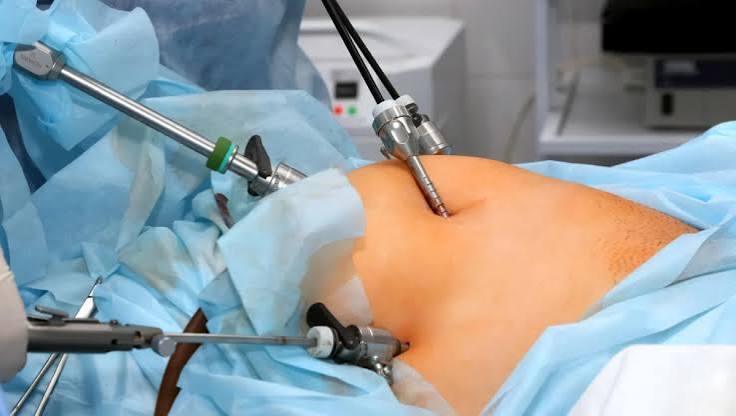
Choosing the right specialist is an important step when you need surgical treatment for digestive system disorders. Dr. Yogesh Bang, a surgical gastroenterologist in Nagpur, offers specialized evaluation and treatment for a range of gastrointestinal conditions. His qualifications include MBBS, MS in General Surgery, DNB in Surgical Gastroenterology, and FMAS, reflecting his medical training in general surgery, gastrointestinal diseases, and minimally invasive procedures. Dr. Bang evaluates conditions affecting the stomach, food pipe, intestines, gallbladder, liver, pancreas, and other parts of the digestive system. At LGI Hospitals in Nagpur, Dr. Yogesh Bang evaluates each patient’s condition before recommending an appropriate treatment plan. The Best Laparoscopic Surgeon in Nagpur evaluates each patient’s condition before recommending treatment. Laparoscopic surgery uses small incisions, a camera, and specialized instruments to treat selected conditions. For suitable patients, this approach may reduce wound size and support recovery. The choice of treatment depends on the diagnosis, disease severity, medical history, and overall health. At LGI Hospitals in Nagpur, Dr. Yogesh Bang assesses these factors to determine the most appropriate surgical approach.
Understanding Laparoscopic Surgery By Dr.Yogesh Bang
Why Choose a Laparoscopic Surgeon?
Choosing a skilled laparoscopic surgeon is an important step toward receiving appropriate surgical care. The doctor assesses the patient’s symptoms, previous medical conditions, test results, and overall health before deciding on a suitable treatment plan. Careful preparation also helps the surgical team identify potential concerns and select the right approach for the procedure. Before the operation, patients learn how to prepare for surgery, what results they may expect, which risks could arise, and how to care for themselves during recovery. Clear communication allows individuals to make informed decisions and understand each stage of their treatment. After surgery, the surgeon provides recovery instructions and recommends follow-up visits to monitor healing and address any concerns.
Conditions Treated Through Laparoscopic Surgery
Laparoscopic surgery may be recommended for several medical conditions affecting the abdomen, digestive system, and other organs. The appropriate procedure depends on the diagnosis, severity of symptoms, and the patient’s overall health.
▪ Gallbladder StonesGallbladder Removal Surgery In Nagpur: When gallstones cause repeated abdominal pain, inflammation, or other complications, laparoscopic gallbladder removal may be recommended.
▪ Hernia: Minimally invasive techniques can help repair certain types of hernias by reinforcing the weakened area of the abdominal wall.
▪ Appendicitis: Laparoscopic appendectomy may be performed to remove an inflamed appendix and address complications associated with appendicitis.
▪ Gastrointestinal Disorders: Selected diseases involving the stomach, intestines, and digestive tract may require laparoscopic intervention when surgery is considered appropriate.
▪ Abdominal Conditions: Certain abdominal diseases that require an operation can be managed using minimally invasive techniques, depending on their nature and complexity.
Other Conditions That May Require Laparoscopic Treatment
Apart from common abdominal problems, laparoscopic procedures may also be considered for specific conditions that require careful evaluation and specialist care.
▪ Acid Reflux and GERD: Patients experiencing persistent acid reflux may need further investigation when medicines and lifestyle changes do not provide adequate relief. After reviewing symptoms and diagnostic results, the specialist may discuss surgical options for suitable individuals.
▪ Ovarian Cysts and Gynaecological Conditions: Selected ovarian cysts and other gynaecological disorders can be treated through laparoscopic procedures performed by a qualified gynaecological specialist.
▪ Weight Management Surgery: Bariatric surgery may be suitable for certain patients with obesity who meet the relevant medical criteria. A detailed assessment helps determine whether surgery is an appropriate option.
Benefits of Laparoscopic Surgery By Best Laparoscopic Surgeon in Nagpur
Potential benefits of laparoscopic surgery include:
▪ Smaller Incisions: Small surgical openings may reduce visible scarring compared with larger incisions used in open procedures.
▪ Less Postoperative Discomfort: Some patients experience less pain after surgery, depending on the procedure and individual circumstances.
▪ Potentially Faster Recovery: Minimally invasive techniques may help eligible patients resume normal activities sooner.
▪ Shorter Hospital Stay: Certain laparoscopic procedures allow patients to return home earlier when their recovery progresses well.
▪ Reduced Tissue Trauma: Specialized instruments and smaller incisions may limit disruption to surrounding tissues.
▪ Earlier Return to Daily Activities: Patients may gradually resume routine tasks according to their surgeon’s instructions.
▪ Cosmetic Benefits: Smaller incisions can result in less noticeable surgical scars after healing.
The actual benefits of laparoscopic surgery depend on the type of operation, the severity of the condition, and the patient’s overall health. Dr. Yogesh Bang discusses the expected outcomes, possible complications, and recovery requirements before recommending a procedure. Following postoperative instructions, maintaining appropriate nutrition, and attending follow-up appointments can further support the healing process.
Advanced Laparoscopic Procedures in Nagpur
Modern laparoscopic surgery uses specialized instruments and cameras to perform selected operations through small incisions. It may help treat gallstones, hernias, appendicitis, and certain digestive disorders.
At LGI Hospitals in Nagpur, Dr. Yogesh Bang evaluates each patient before recommending treatment. He reviews symptoms, medical history, and diagnostic reports. Patients seeking the Best Laparoscopic Surgeon in Nagpur can discuss suitable procedures, potential risks, and recovery expectations during consultation.
Proper preparation and follow-up care support healing. Patients also receive guidance on recovery and returning to daily activities safely.
Laparoscopic Gallbladder Surgery By Best Laparoscopic Surgeon in Nagpur
Laparoscopic Hernia Treatment
Laparoscopic Appendix Surgery By Best Laparoscopic Surgeon in Nagpur
Pre-Surgery Evaluation and Planning with Best Laparoscopic Surgeon in Nagpur
Dr. Yogesh Bang understand the patient’s medical condition and plan an appropriate surgical approach. Before recommending laparoscopic surgery, the medical team may conduct the following assessments based on the procedure and individual health requirements.
▪ Physical Examination: The surgeon assesses the patient’s symptoms and examines the affected area to identify clinical signs, understand the severity of the condition, and determine the need for further investigations before treatment.
▪ Medical History Review: Checks existing health conditions, previous surgeries, allergies, and current medications.
▪ Blood Investigations: Helps assess general health and identify issues that may affect surgical preparation.
▪ Imaging Tests: Ultrasound, CT scans, or other investigations may be advised to understand the condition more clearly.
▪ Overall Health Assessment: Reviews factors such as blood pressure, existing medical conditions, and fitness for surgery.
▪Anesthesia Assessment: Evaluates the patient’s medical history, current health, and potential anesthesia-related risks to develop a safe and suitable anesthesia plan before surgery.
Recovery After Laparoscopic Surgery By Best Laparoscopic Surgeon in Nagpur
Recovery after laparoscopic surgery varies depending on the procedure performed and the patient’s overall health. Following the surgeon’s instructions can help promote healing and reduce the risk of complications.
▪ Follow all postoperative instructions provided by the surgeon.
▪ Maintain a balanced diet to support healing and overall health.
▪ Take prescribed medications according to medical advice.
▪ Get adequate rest and gradually resume daily activities as recommended.
▪ Attend follow-up appointments to monitor recovery and address concerns.
▪ Report unusual pain, fever, wound changes, or other unexpected symptoms to the treating doctor promptly.
Importance of Post-Surgery Care By Best Laparoscopic Surgeon in Nagpur
Recovery after laparoscopic surgery requires appropriate care and attention to the surgeon’s instructions. Patients should keep the incision sites clean and dry as advised, take prescribed medications, and gradually resume routine activities according to their recovery progress. Follow-up consultations with Dr. Yogesh Bang help assess wound healing and address any concerns that arise after the procedure. Maintaining balanced nutrition, staying adequately hydrated, and getting sufficient rest can also support recovery. Patients should promptly inform their doctor if they develop fever, increasing abdominal pain, repeated vomiting, or signs of infection, such as redness, swelling, or discharge around the surgical wound.
Choosing the Right Laparoscopic Surgeon in Nagpur
1.Effective laparoscopic care starts with identifying the underlying medical condition and choosing a suitable treatment approach. Dr. Yogesh Bang, a surgical gastroenterologist at LGI Hospitals in Nagpur, assesses abdominal and digestive concerns by reviewing symptoms, medical history, physical examination findings, and relevant diagnostic reports. This detailed evaluation helps him understand the nature of the disease and determine whether surgery or non-surgical treatment is appropriate for the patient.
2.Laparoscopic surgery uses a small camera and specialized instruments to perform selected operations through small incisions. This technique may be suitable for conditions such as symptomatic gallstones, certain hernias, appendicitis, and specific gastrointestinal disorders. However, the choice of procedure depends on the severity and location of the condition, previous abdominal operations, existing health concerns, and the patient’s overall fitness for surgery. If a minimally invasive approach is not suitable, an alternative surgical technique may be recommended based on clinical findings.
Why Patients Prefer Minimally Invasive Surgery ?
▪ Minimally invasive surgery uses smaller incisions in many procedures, helping limit tissue disruption compared with conventional open surgery.
▪ Modern laparoscopic techniques offer additional treatment options for patients with suitable medical conditions.
▪ A qualified surgeon evaluates the diagnosis, medical history, and overall health before recommending a procedure.
▪ Recovery time, postoperative discomfort, and potential risks vary depending on the operation and individual circumstances.
▪ Careful assessment and appropriate surgical planning help patients understand their options and prepare for treatment.
Maintain Your Health After Surgery
1.Maintaining good health after surgery is essential for a smooth recovery. Patients should follow their surgeon’s instructions, take prescribed medications as directed, and allow adequate time for healing. A nutritious diet containing sufficient protein, vitamins, and fluids supports tissue repair and overall well-being. Additionally, gentle physical activity, when approved by the doctor, can help improve mobility and gradually restore strength.
2.Proper postoperative care also involves attending follow-up appointments and monitoring the surgical site for unusual redness, swelling, discharge, or increasing pain. Patients should report fever or unexpected symptoms to their healthcare provider without delay. Furthermore, adequate rest, appropriate wound care, and gradual resumption of daily activities can support the healing process. Following medical advice and maintaining healthy habits helps patients manage recovery and return to their regular routines safely.
Frequently Asked Questions (FAQ) - Best Laparoscopic Surgeon in Nagpur
Moreover, laparoscopic surgery is a minimally invasive technique that uses small incisions and specialized instruments to perform various surgical procedures.
It is recommended for many conditions, including gallstones, hernia, appendicitis, acid reflux, colorectal diseases, liver disorders, and selected pancreatic conditions, depending on the patient’s diagnosis.
Most patients experience significantly less pain after laparoscopic surgery compared to traditional open surgery because the incisions are much smaller.
Recovery depends on the procedure performed and the patient’s overall health. However, patients undergoing laparoscopic surgery generally recover faster and return to normal activities sooner.
Recovery depends on the operation performed and the patient’s health. Some patients resume routine activities within a few days, while others need several weeks. Following postoperative instructions helps support healing.
Preparation may include blood tests, imaging, medication review, and fasting before surgery. Patients should follow the specific instructions provided by their surgical team.
Book Your Consultation Today | Best Laparoscopic Surgeon in Nagpur
Every patient deserves a treatment plan that reflects their symptoms, diagnosis, and overall health. A detailed consultation with the Best Laparoscopic Surgeon in Nagpur can help you understand whether minimally invasive surgery is appropriate for your condition. During the consultation, you can discuss the available procedures, expected recovery, potential risks, and necessary precautions. With clear medical advice and careful surgical planning, patients can make informed decisions about their care and take the next step toward improved health.